
Small Pond Landscaping: Design, Plants, and Care for Charming Water Gardens
Why Choose a Small Pond?
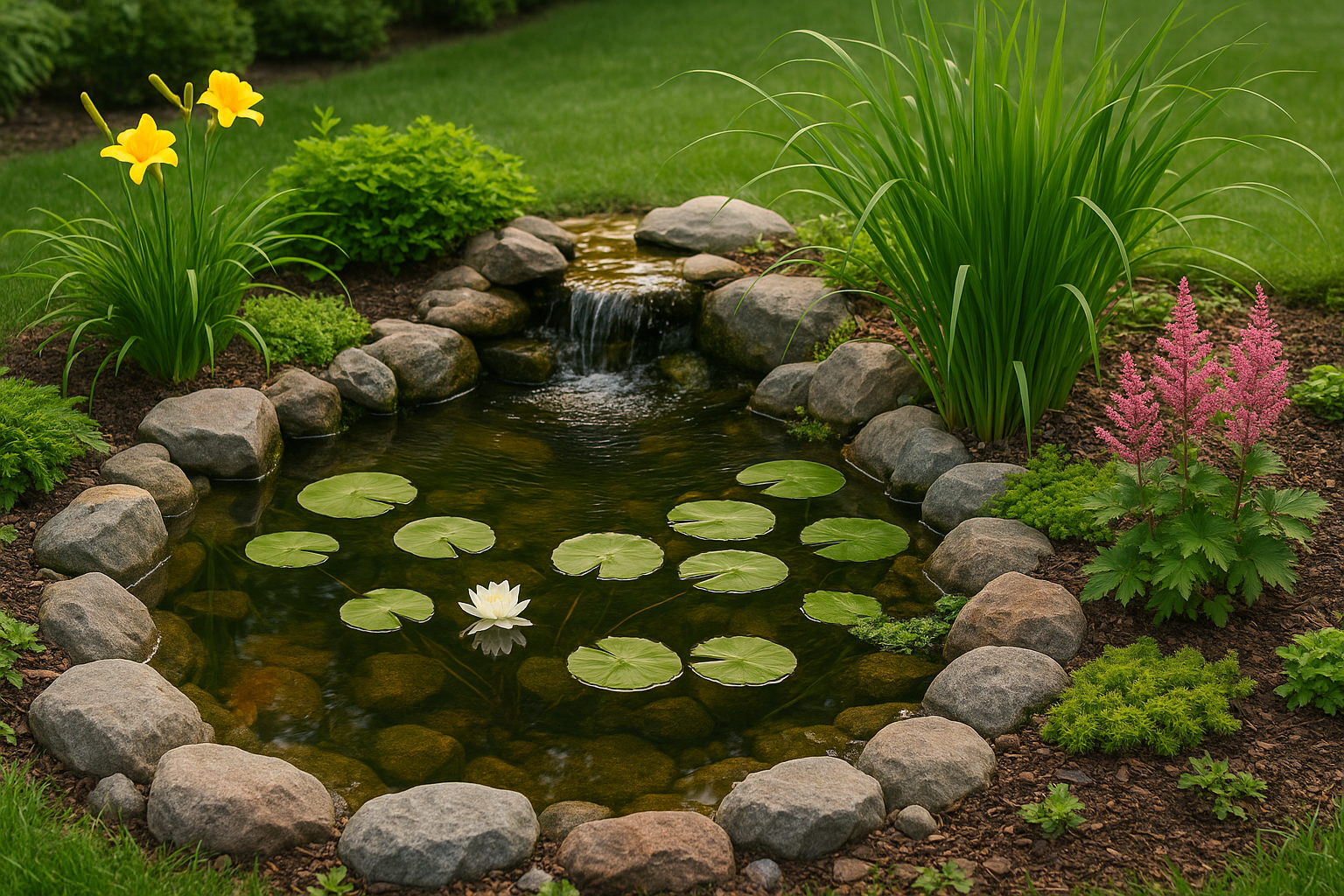
Small pond landscaping is an excellent way to add tranquility, wildlife habitat, and visual interest to any yard without the cost or space demands of a large water feature. A compact pond can fit into tight gardens, container spaces, or courtyards and still provide bubbling sounds, reflective surfaces, and a habitat for frogs, dragonflies, and birds.
Planning Your Small Pond
Assess Location and Size
Start by picking the right spot. Choose a level area with partial sun — about 3–6 hours of sunlight daily is ideal for many aquatic plants. Avoid locations directly under large trees to reduce leaf debris and root interference. Sketch a simple plan, scale the size to the space, and consider depth: 18–24 inches supports a broader plant palette and helps aquatic life survive seasonal temperature changes.
Decide on Style and Function
Think about the pond’s role: a natural-looking wildlife haven, a modern reflective pool, or a focal point with a small waterfall. Your style influences materials, edge treatments, and plant choices. Also decide if you want fish; goldfish or koi require larger volumes, filtration, and deeper water, while a fishless pond is lower maintenance and better for many native species.
Pond Design Ideas
Natural vs. Formal
Natural ponds use irregular shapes, gravel bottoms, and native plants to blend into the landscape. Formal ponds favor clean lines, stone coping, and architectural plants for a refined look. Both can be beautiful — choose the aesthetic that complements your garden.
Focal Points and Movement
Add a focal point such as a small fountain, waterfall, or a group of rocks to provide movement and oxygenation. Even a modest circulation feature improves water quality and gives the pond soothing sound. Consider lighting for evening ambiance — LED spotlights or submerged lights create dramatic reflections.
Plant Selection for Small Ponds
Layering Plants for Balance
Think in layers: deep water plants, marginal plants, and floating plants. This creates depth, reduces algae, and supports wildlife.
- Deep water: Water lilies bring color and shade, reducing algae growth.
- Marginal: Pickerelweed, iris, and rushes along the edge soften the transition between water and land.
- Floating: Hornwort and water lettuce provide surface cover but should be used sparingly to avoid choking the pond.
Choose native species where possible; they’re adapted to local conditions and support pollinators and amphibians.
Hardscape and Materials
Edging and Liner Choices
Common liners are flexible EPDM or rigid preformed shells. Flexible liners let you shape irregular ponds; preformed liners make installation faster. Edge the pond with natural stone, gravel, or planting pockets. Create a shallow shelf around the perimeter for marginal plants and wildlife access.
Using Rocks and Wood
Rocks anchor the design and hide liner edges. Use a mix of sizes for a natural look. Driftwood or old stumps add vertical interest but make sure wood is non-toxic and securely placed. Avoid treated lumber near water.
Maintenance Tips for a Healthy Small Pond
Basic Seasonal Care
Perform light maintenance regularly: remove leaves and debris, trim dead plant matter, and monitor water levels. In spring, check pumps and filters after winter. In summer, thin invasive or fast-growing plants to maintain balance.
Water Quality and Biological Balance
Good circulation and a mix of plants keep water clear. Add a small filter or UV clarifier if algae become an issue. Test water occasionally for pH and ammonia if you keep fish. Beneficial bacteria treatments can help break down organic waste naturally.
Encouraging Wildlife Safely
Small ponds are magnets for wildlife. Provide shallow edges for amphibians and birds, avoid chemical pesticides nearby, and include flat stones where turtles or frogs can bask. If you add fish, limit their number to avoid overloading the ecosystem and prefer native species when possible.
Budget-Friendly Tips
- Repurpose old containers or bathtubs for instant pond shells.
- Collect rocks and logs from other projects to save on materials.
- Start with a few plants and expand gradually — plants multiply and fill in over seasons.
Common Mistakes to Avoid
- Placing the pond under dense trees (too much debris).
- Overstocking with fish in a small volume of water.
- Neglecting circulation and filtration in warmer months.
Conclusion
Small pond landscaping offers a big impact with modest space and budget. With thoughtful planning, the right mix of plants and hardscape, and simple seasonal care, you can create a charming water garden that supports wildlife and adds peaceful beauty to your yard. Start small, observe how your pond matures, and enjoy the relaxing rewards.