
Pond Landscaping Design: Create a Beautiful, Balanced Water Garden
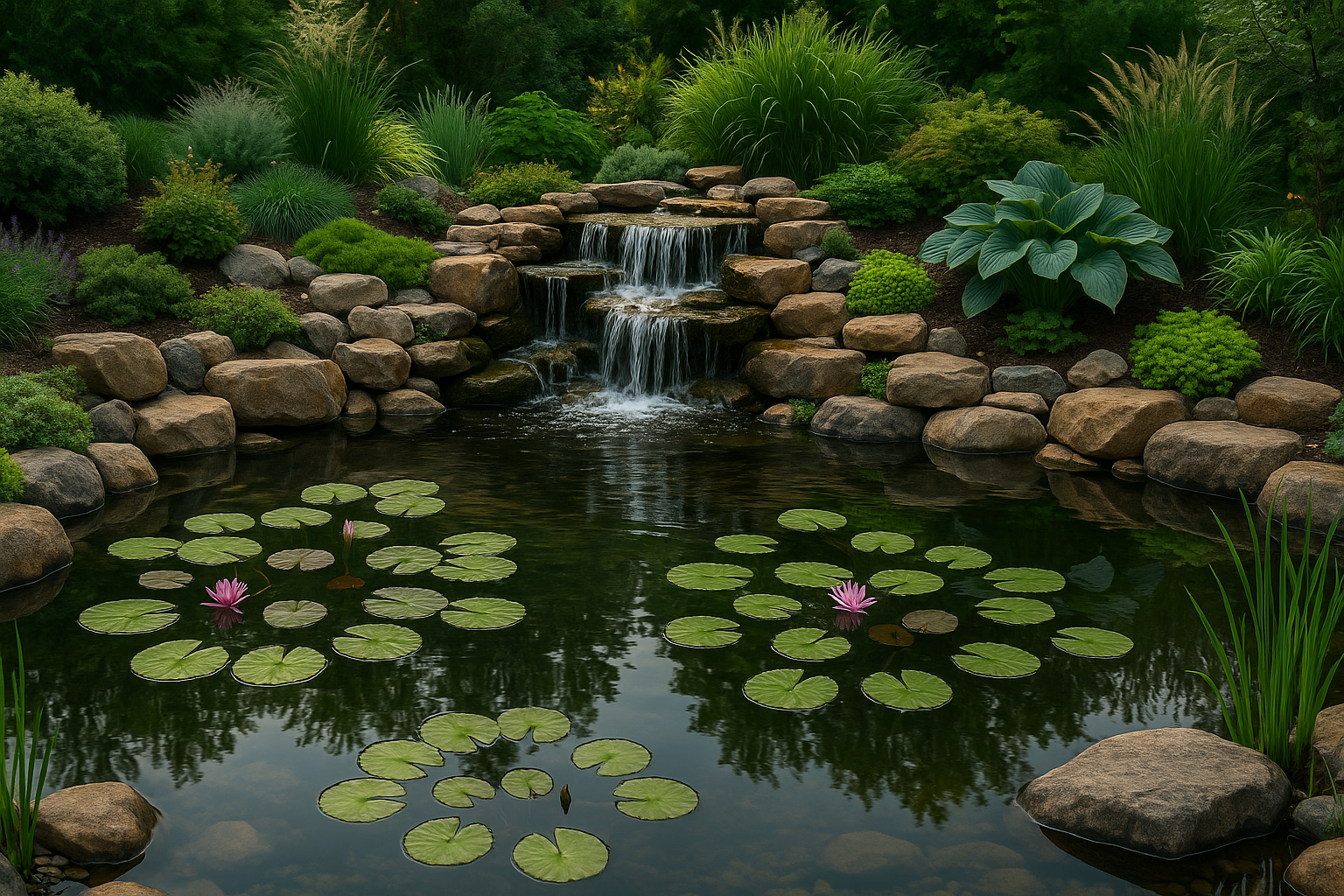
Introduction
Designing a pond is about more than digging a hole and adding water. Thoughtful pond landscaping design turns a simple water feature into a living, breathing focal point for your yard — a place for relaxation, wildlife, and visual interest year-round. In this post we’ll walk through planning, design elements, plant choices, maintenance tips, and budget-friendly strategies to help you build a pond that looks natural, functions well, and enhances your landscape.
Planning Your Pond Landscape
Good design starts with a clear plan. Before you buy materials or hire contractors, consider placement, size, purpose, and local restrictions.
Location and Orientation
- Choose a spot visible from seating areas or windows to maximize enjoyment.
- Avoid low spots prone to runoff and areas directly under large trees to minimize leaves in the water.
- Consider sunlight: many aquatic plants need 4–6 hours of sun, while shaded locations support mosses and shade-tolerant species.
Purpose and Scale
Decide whether your pond is ornamental, a habitat for fish and frogs, or a functional rain garden. Scale influences maintenance and cost — a small container pond is easy to manage, while larger ecosystems require more planning and equipment.
Key Design Elements
Successful pond landscaping combines hardscape, softscape, and functional systems. Balance aesthetic choices with ecological considerations.
Hardscape: Edges, Paths, and Boulders
- Naturalistic edges with irregular shapes look more integrated than geometric lines.
- Use flat stones or gravel for access paths and seating areas. Boulders create depth and provide perches for birds.
- Consider a shallow shelf around the perimeter for marginal plants and easier wildlife access.
Plant Selection and Placement
Plants bring texture, color, and ecological balance. Use a mix of submerged, marginal, and floating plants:
- Submerged: oxygenators like hornwort help keep water clear.
- Marginal: irises, pickerelweed, and rushes anchor edges and provide habitat.
- Floating: water lilies and duckweed offer shade and reduce algae growth when used sparingly.
Water Features and Movement
Circulation prevents stagnation. Add a small waterfall, stream, or fountain to increase oxygenation, mask noise, and create visual motion. Position pumps and filters to ensure even flow without disturbing quiet back corners where wildlife rest.
Lighting and Seasonal Interest
Low-voltage lighting highlights focal points and extends enjoyment into the evening. Choose fixtures that resist moisture and glare. Plant choices that offer winter structure — ornamental grasses, seed heads, and evergreen accents — keep the pond attractive when plants die back.
Wildlife and Ecological Considerations
A pond can become a thriving habitat if designed with wildlife in mind. Provide shallow areas for amphibians, slow-moving water for dragonflies, and native plants for local pollinators.
Creating Habitats
- Incorporate logs, flat stones, and native vegetation as shelter and basking spots.
- Avoid introducing invasive species or non-native fish that can disrupt the ecosystem.
- Use native plants wherever possible — they require less care and support local insects and birds.
Maintenance and Longevity
Maintenance keeps your pond healthy and attractive. Regular care needn’t be onerous — a few strategic tasks go a long way.
Routine Tasks
- Skim debris and trim overgrowth in spring and fall.
- Monitor water quality: check clarity, pH, and nutrient levels to prevent algae blooms.
- Service pumps and filters according to manufacturer recommendations to extend equipment life.
Seasonal Tips
In winter, keep a small area ice-free if you have fish. In summer, add shading or floating plants to prevent overheating. Adjust plantings annually as species fill in or need thinning.
Budgeting and Building Options
Decide early whether to DIY or hire professionals. DIY saves money but requires research and physical effort. Hiring a landscaper ensures expertise for complex systems and hardscapes.
Cost-Saving Strategies
- Start small and expand later; a modest pond can be scaled up over time.
- Reuse stones or plants from other parts of your yard to reduce purchase costs.
- Buy pumps and liners from reputable sources to avoid problems down the line.
Conclusion
Pond landscaping design blends aesthetics, ecology, and practical considerations. With thoughtful planning, appropriate plant choices, and basic maintenance, your pond can become a beautiful centerpiece that supports wildlife and invites relaxation. Start small, keep native species in mind, and enjoy the gradual transformation as your pond matures.