
Creative Landscape Design Ideas to Transform Your Outdoor Space
Why thoughtful landscape design matters
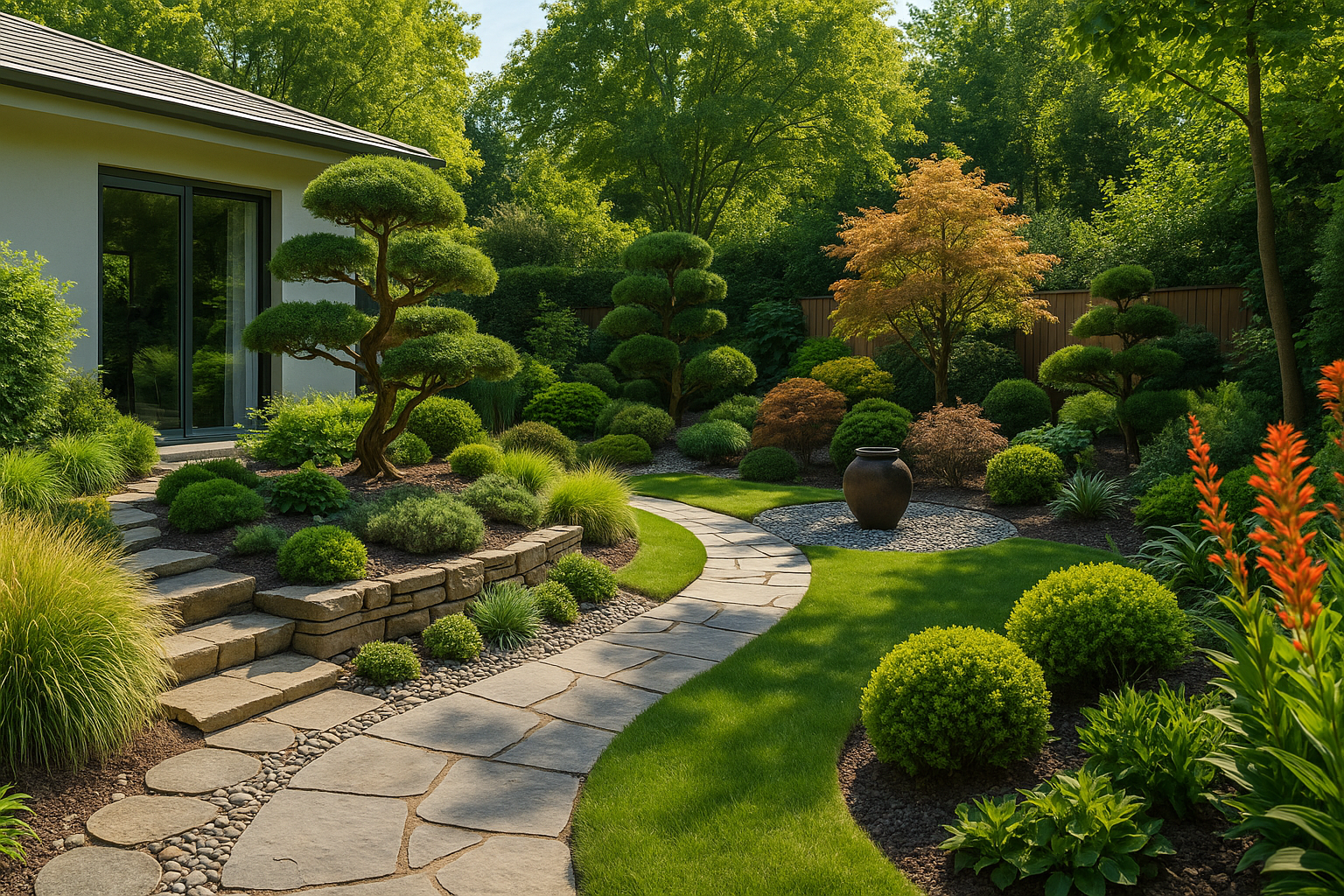
Your yard is more than a patch of grass — it’s an extension of your home and a place for relaxation, play, and entertaining. Thoughtful landscape design balances beauty and function, boosts curb appeal, increases property value, and creates comfortable outdoor living zones that suit your lifestyle.
Core principles to guide your design
Start with a few timeless design principles to ensure your project looks cohesive and works well for years.
Scale and proportion
Choose plants and hardscape elements that match the size of your home and lot. Large trees dwarf small homes; tiny shrubs disappear in expansive yards. Think in zones: larger elements in the back, smaller details up front.
Balance and repetition
Symmetry is calming; asymmetry can feel more natural. Repeating materials and plant shapes creates rhythm and unity throughout the landscape.
Focal points
Every great design has one or more focal points — a specimen tree, water feature, sculpture, or an inviting seating area — that draw the eye and guide movement.
Seasonal interest
Plan for spring blooms, summer foliage, autumn color, and winter texture so your garden looks good year-round. Include evergreen structure and winter berries or ornamental bark for cold months.
Landscape design ideas by style
Modern minimalism
Clean lines, restrained plant palettes, and hardscape materials like concrete, steel, and crushed stone define modern landscapes. Use ornamental grasses, sculptural succulents, and clipped hedges for a sleek look.
Cottage and pollinator-friendly gardens
Layer perennials, native wildflowers, and flowering shrubs to create a lush, informal garden that attracts bees, butterflies, and birds. Meandering paths and a mix of heights give a cozy, enchanted feel.
Drought-tolerant / xeriscape
For dry climates or low-water budgets, choose succulents, Mediterranean herbs, and native grasses. Use mulch and efficient drip irrigation to reduce water use without sacrificing style.
Small-space solutions
Vertical gardening, container clusters, and multifunctional furniture maximize limited yards. Reflective surfaces and layered planting create the illusion of depth.
Outdoor living and entertaining
Create rooms outdoors: a dining area under a pergola, a lounge around a fire pit, and a kitchen prep wall. Focus on comfortable seating, durable surfaces, and ambient lighting to host year-round.
Practical elements to incorporate
Paths and circulation
Paths should be clear, direct, and proportioned for their use. Use stepping stones for a casual feel or a wider paved path for wheelbarrows and guests. Define edges with low borders or groundcover.
Lighting
Layer lighting: safety lights for steps, task lights by cooking areas, and accent lights for trees and sculptures. Warm LED lighting extends usable hours and highlights features after dark.
Water features
Even a small fountain adds soothing sound and visual interest. Larger ponds and streams support wildlife and become central focal points. Factor in maintenance and circulation to prevent issues.
Hardscaping materials
Choose materials that complement your home and climate. Natural stone feels timeless, while composite decking requires less upkeep. Mix textures to avoid monotony.
Native plants and low-maintenance planting
Native species are adapted to local conditions and need less water and fertilizer. Group plants with similar water needs to simplify irrigation and reduce waste.
How to plan your project
Assess and prioritize
Map sun, shade, slopes, existing trees, and drainage. Decide your must-haves: privacy, play area, vegetable beds, or low-maintenance borders. Prioritize projects that solve problems first.
Set a realistic budget
Break the project into phases if needed. Invest in good drainage, soil improvement, and long-lasting hardscape; plantings and furnishings can be added over time.
Hire help or DIY wisely
Landscape contractors bring expertise for grading, irrigation, and large installations. Save money by doing planting or finishing touches yourself if you have the time and skill.
Maintenance tips to keep it thriving
Mulch to retain moisture, prune for structure, and monitor irrigation seasonally. Build a simple maintenance calendar—spring planting checks, summer watering adjustments, fall cleanup—and the yard will repay you with beauty and lower upkeep.
Conclusion
Great landscape design blends form and function: it solves site challenges, reflects your style, and creates outdoor rooms you love to use. Whether you’re after a low-water oasis, a pollinator haven, or an elegant modern courtyard, start with clear priorities, smart plant choices, and durable materials. With thoughtful planning and a few strategic focal points, you can transform any yard into a welcoming, beautiful space.