
Landscaping with Water Features: Ideas, Planning, and Maintenance
Introduction
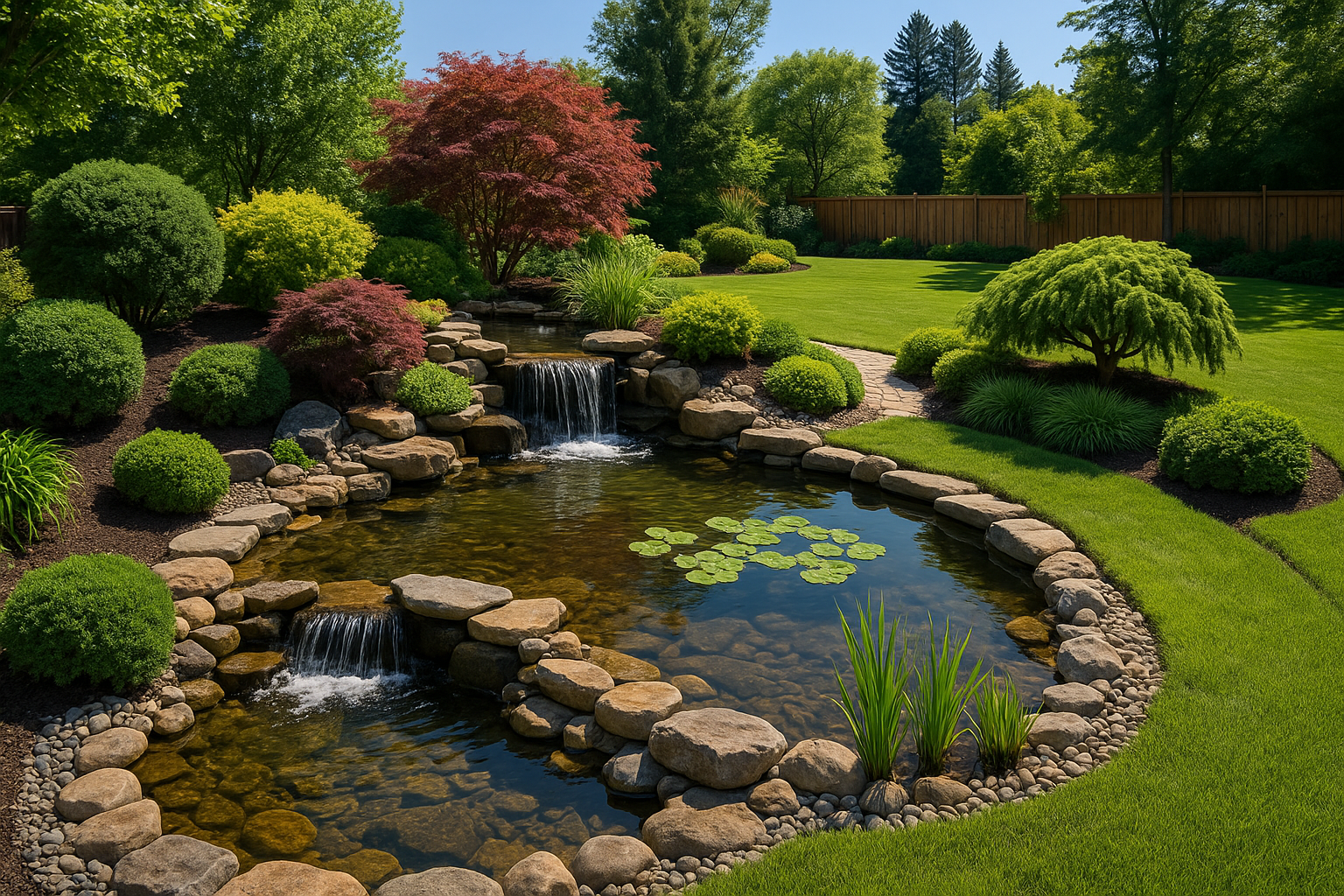
Water features bring movement, sound, and a calming focal point to any landscape. From a tiny bubbling urn to a naturalistic pond, adding water can transform a yard into a restful retreat. This guide walks through the benefits, types, design considerations, plant and maintenance tips, and sustainability ideas so you can confidently add water to your landscape.
Why Add a Water Feature?
Water features provide aesthetic, ecological, and sensory benefits. They:
- Introduce soothing sound and visual interest.
- Increase property value and curb appeal.
- Support local wildlife, like birds and beneficial insects.
- Create microclimates—cooler, more humid spots ideal for certain plants.
Types of Water Features
Choose a style that suits your space, budget, and maintenance tolerance.
Ponds and Natural Pools
Ponds can be formal or naturalistic, stocked with fish and aquatic plants. Natural swimming pools use plants and biological filters instead of chemicals for clear water.
Fountains and Bubblers
Compact and versatile, fountains fit patios and small gardens. Bubblers and urns offer the sound of running water with minimal space.
Streams and Waterfalls
These provide dramatic movement and rich sound. Even a small cascading feature creates a sense of depth and serenity in larger gardens.
Reflecting Pools
Shallow, still water acts as a mirror, amplifying architecture and surrounding plants for formal or contemplative spaces.
Planning and Design Considerations
Good planning prevents common problems. Keep these factors in mind:
- Scale and proportion: Match the feature to the garden size—large features overwhelm small yards; tiny ones can disappear in big spaces.
- Location: Avoid placing ponds under trees to reduce leaf litter. Consider sightlines from windows and seating areas.
- Visibility and access: Make sure you can reach pumps, filters, and edges for maintenance.
- Budget: Include installation, equipment, and ongoing costs like electricity and water treatment.
- Safety: For families with young children, choose shallow designs, gentle edges, or add fencing and covers.
Planting Around Water Features
Plants soften edges, provide habitat, and help with water quality. Use a mix of:
- Marginal plants (e.g., irises, pickerelweed) for shallow edges.
- Floating plants (e.g., water lilies) to shade water and reduce algae.
- Moisture-loving perennials and grasses around the perimeter to blend the feature into the landscape.
Choose native species where possible—they’re adapted to local conditions and support pollinators and other wildlife.
Maintenance Essentials
Maintenance varies by type but common tasks include:
- Cleaning filters and pumps regularly to ensure circulation.
- Removing debris and excess plant material to reduce nutrient buildup.
- Monitoring water levels—top up during dry spells and check for leaks.
- Controlling algae through shading, plants, and biological methods rather than harsh chemicals.
Seasonal steps—like winterizing pumps or protecting shallow features from freezing—depend on your climate.
Wildlife and Sustainability
Well-designed water features create valuable habitat. To encourage wildlife while keeping water healthy:
- Provide shallow edges and stones for amphibians and birds.
- Avoid chemical pesticides that harm aquatic life.
- Use recirculating pumps and solar-powered options to lower energy use.
- Collect rainwater for topping-up levels and reducing potable water use.
Working with Professionals vs. DIY
Smaller features are great DIY projects, but for larger ponds, complicated plumbing, or electrical work, hire a professional. Ask potential contractors for:
- References and examples of past work.
- Clear estimates that separate materials, labor, and site preparation.
- Information about warranties and post-installation support.
If you hire help, still stay involved—your preferences for placement, plants, and maintenance should guide the final design.
Practical Tips to Get Started
- Start small if you’re new to water gardening—an urn or fountain teaches the basics.
- Sketch the design with scale and sightlines in mind before buying equipment.
- Choose durable materials like weather-resistant stone or concrete for longevity.
- Plan for seasonal changes: consider winter covers or design details that look good year-round.
Conclusion
Water features can elevate a landscape into a multi-sensory sanctuary. By choosing the right type, planning for scale and maintenance, and prioritizing sustainability, you can create a beautiful, low-stress element that enhances your garden year after year.