
Motion Sensor Landscape Lights: A Complete Guide to Safer, Smarter Outdoor Lighting
Introduction
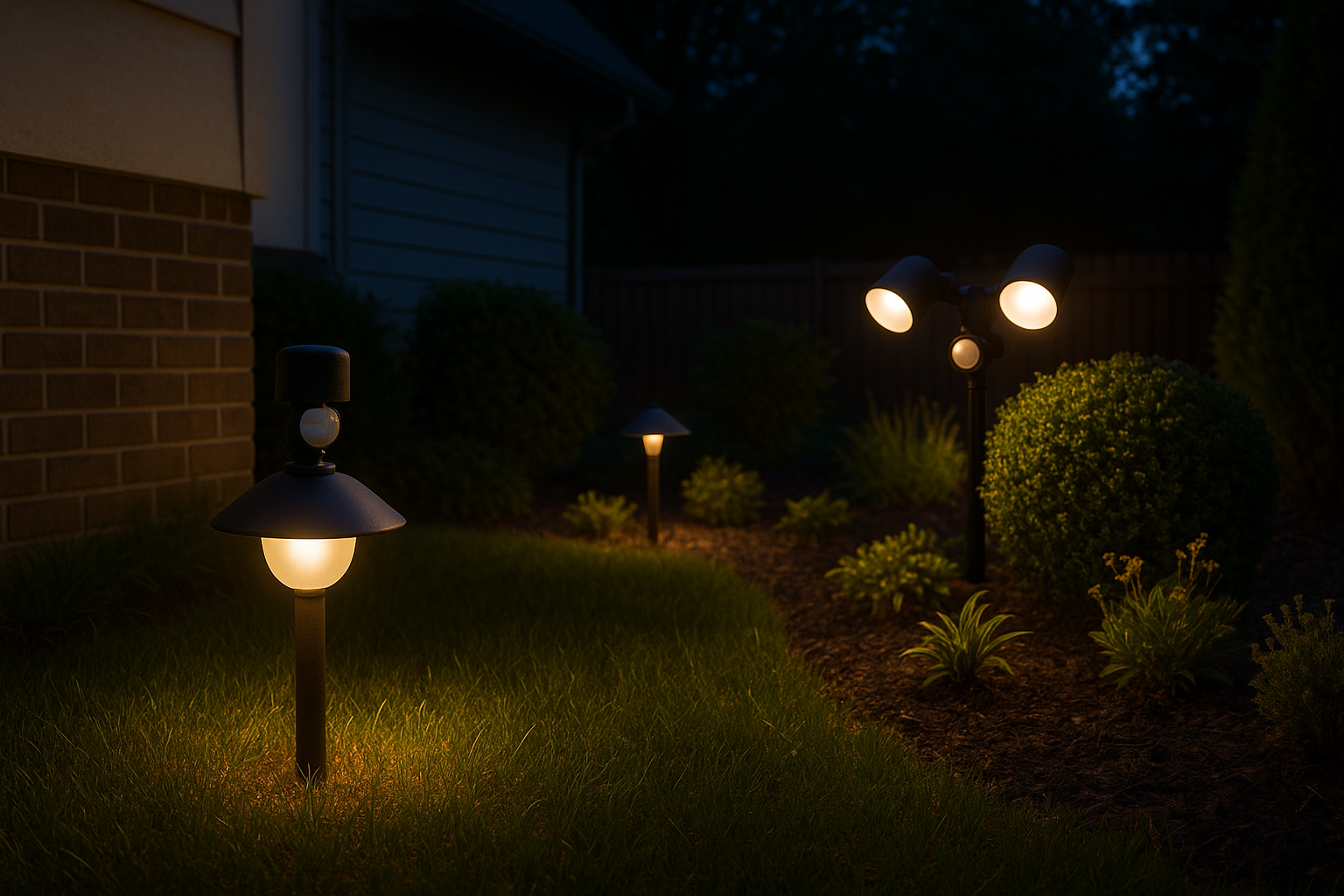
Motion sensor landscape lights combine practical safety with attractive design, automatically illuminating driveways, pathways, and entryways only when needed. They reduce energy use, deter unwanted visitors, and add smart convenience to your outdoor space. This guide walks through the benefits, types, placement tips, buying criteria, and troubleshooting steps so you can choose and install the right motion-activated lights for your property.
Why Choose Motion Sensor Landscape Lights?
Motion sensor landscape lights are more than a convenience—they’re a smart upgrade for safety, energy savings, and curb appeal. Below are the core advantages:
Improved Security
Lights that activate on motion can startle intruders and make it harder for anyone to approach your home unnoticed. They also provide safer visibility when arriving home at night, reducing trip hazards on walkways and steps.
Energy Efficiency and Cost Savings
Because the lights are off until needed, they consume far less electricity than fixtures left on all night. Combined with efficient LED bulbs or solar power, motion sensor lights can significantly lower lighting costs.
Aesthetics and Convenience
Modern motion sensor fixtures come in styles that complement your landscaping. They can be used to highlight architectural features or to provide subtle, functional light where you need it without creating a constant glow in the yard.
Types of Motion Sensor Landscape Lights
Choose a style that suits your budget, wiring preferences, and lighting goals. The main categories are:
Solar Motion Sensor Lights
Solar fixtures charge during the day and power the light at night. They’re easy to install—no wiring required—and work well in sunny locations. Look for models with a separate solar panel if you need flexibility in mounting.
Wired/Hardwired Motion Lights
Hardwired options often offer the most reliable performance and brightest output. They’re connected to your home electrical system and are ideal for large properties or areas that require consistent illumination. Installation usually requires an electrician for safety and code compliance.
Low-Voltage Motion Lights
Low-voltage systems (typically 12V) strike a balance between DIY-friendly installation and dependable power. They’re commonly used in landscape lighting and can be integrated with other low-voltage fixtures on the same transformer.
Placement and Installation Tips
Proper placement and setup maximize performance and minimize false triggers.
Ideal Locations
- Entrances and backdoors: for safety and convenience when arriving home.
- Pathways and steps: to prevent falls and improve visibility.
- Driveways: to illuminate vehicles and detect movement.
- Dark corners or dense shrubbery: to reduce hiding spots around your yard.
Sensor Settings and Sensitivity
Adjust sensitivity so small animals or passing cars don’t trigger the lights constantly. Many fixtures allow you to set duration (how long the light stays on) and sensitivity range. Test at night and tweak settings until performance meets your needs.
Maintenance
Keep sensors and panels clean—dust, cobwebs, or foliage can reduce effectiveness. For solar units, ensure panels face direct sunlight and free them from shade. Periodically check wiring and seals on hardwired or low-voltage fixtures to prevent water ingress.
Buying Guide: Key Features to Consider
When shopping, look beyond style and price. These technical factors matter for long-term satisfaction:
Sensor Range & Angle
Range determines how far away motion is detected; angle controls the coverage width. For a driveway, choose longer range; for a porch, a narrower angle reduces unwanted activations.
Brightness & Color Temperature
Brightness is measured in lumens. Pathway lights may need 100–300 lumens, while security floodlights require 700+ lumens. Color temperature affects mood: warm (2700–3000K) creates a cozy feel, while cool white (4000K+) reads as brighter and more alert.
Weatherproofing & Warranty
Look for IP ratings (IP65 or higher for outdoor exposure) to ensure fixtures resist rain and dust. A solid warranty (2–5 years) is a good sign of manufacturer confidence.
Troubleshooting Common Issues
- Lights not turning on: check power source, battery charge (solar), or transformer setting (low-voltage).
- False triggers: reduce sensor sensitivity, change mounting angle, or clear nearby foliage that moves in the wind.
- Short run time: adjust duration settings or replace aging batteries in solar units.
- Flickering: secure loose connections and ensure bulb type matches the fixture’s specifications.
Conclusion
Motion sensor landscape lights offer a practical mix of security, energy savings, and curb appeal. By choosing the right type, placing sensors thoughtfully, and maintaining fixtures, you can enjoy reliable, smart outdoor lighting that enhances both safety and the look of your property.