
Small Garden Arbors: Big Impact for Tiny Outdoor Spaces
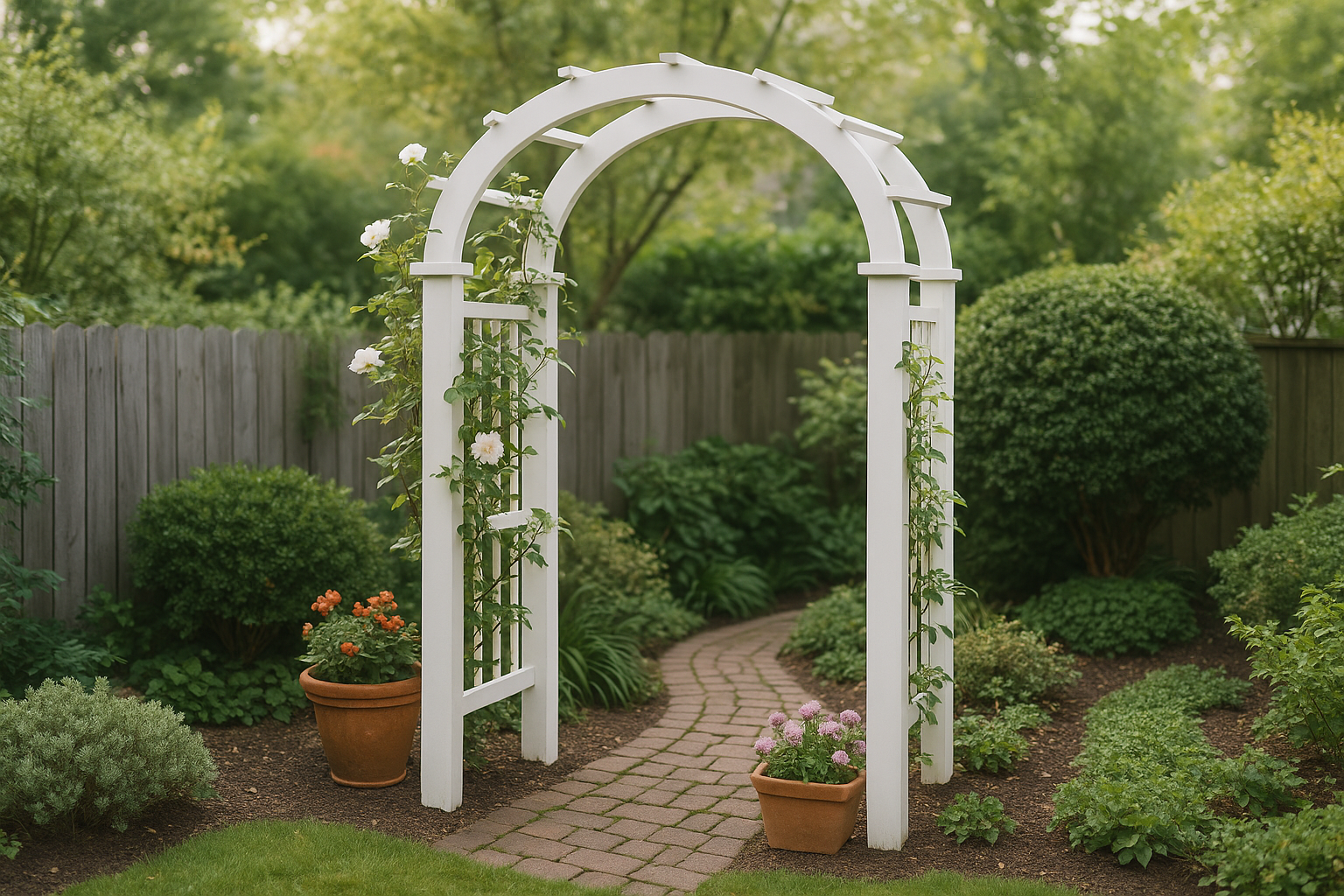
Small Garden Arbors: Big Impact in Tiny Outdoor Spaces
An arbor can transform a compact yard into a cozy, inviting retreat. Small garden arbors add vertical interest, define pathways, create privacy, and support climbing plants—without overwhelming limited space. This guide covers smart design, placement, planting, and maintenance so you can choose or build an arbor that fits your small garden perfectly.
Why Choose a Small Garden Arbor?
Maximize Vertical Space
In small gardens every square foot counts. An arbor draws the eye upward, using vertical space for structure and greenery rather than taking up valuable ground area. This makes the garden feel larger and more layered.
Create Instant Charm and Definition
Whether you want to frame a path, mark the entrance to a tiny patio, or create a focal point near a bench, an arbor gives your garden purpose and personality. Small arbors add architectural interest and a sense of arrival without needing a big footprint.
Add Privacy and Shade
Even a narrow arbor planted with fast-growing vines can screen an outdoor sitting area or block an unsightly view. Choose dense foliage or add simple curtains to enhance privacy for a snug, intimate spot.
Design Ideas for Small Garden Arbors
Classic Wood Arbor
Wood arbors convey a traditional, warm look that blends with most garden styles. Opt for a slim-profile design with clean lines to keep the scale right for small spaces. Cedar and redwood resist rot and insects and age gracefully.
Metal and Wrought Iron Styles
Metal arbors are great for slender, elegant silhouettes. Powder-coated steel or aluminum offers durability with minimal maintenance. Metal pairs especially well with delicate climbers like clematis and sweet peas.
Freestanding vs. Attached Arbors
Freestanding arbors give flexibility in placement and can be moved or removed as your garden evolves. Attached arbors (to fences, walls, or pergolas) can save space and anchor the structure to an existing element—useful when stability is a concern in small yards.
Placement, Sizing, and Proportion
Measure for Scale
Rule of thumb: an arbor should feel like part of the garden, not a dominating structure. For narrow pathways, choose a width of 30–36 inches. For entrances and seating areas, 36–42 inches may be more comfortable. Height is flexible, but 7–8 feet lets most people walk through easily while providing enough vertical surface for climbing plants.
Best Spots in a Small Garden
- At the garden entrance to create a welcoming focal point.
- As a transition between zones (patio to garden, lawn to flower beds).
- Framing a bench, a bistro set, or a small water feature.
- Against a fence to add depth and soften hard lines.
Planting and Plant Choices
Fast- vs. Slow-Growing Climbers
Decide whether you want quick coverage or a long-term, low-maintenance partner. Fast growers like morning glory and honeysuckle will fill an arbor within a season or two but may need more pruning. Slower climbers like climbing roses or jasmine reward patience with more refined growth.
Top Picks for Small Arbors
- Clematis: lightweight, many colors, ideal for slender structures.
- Climbing roses: classic and fragrant; choose compact varieties for small spaces.
- Honeysuckle: fast coverage and lovely scent, suitable for quick screening.
- Sweet pea: annual with bold color and scent—great for seasonal interest.
- Jasmine: evergreen varieties add year-round foliage and fragrance.
Maintenance Tips
Regular pruning keeps an arbor from becoming overgrown and ensures healthy airflow. Check connections and anchoring annually, especially if the arbor supports heavy vines. For wood arbors, reapply a protective finish every few years to extend longevity.
DIY vs. Prebuilt Arbors
When to Build Your Own
If you enjoy projects and want a custom size or style, a DIY arbor can be budget-friendly. Simple plans and kits are widely available; basic carpentry skills and a few tools are usually enough.
When to Buy Prebuilt
Prebuilt arbors are convenient and often sturdier, with finishes suited for outdoor use. They’re a good option if you prefer quick installation or need specific materials like powder-coated metal or rot-resistant composites.
Budget-Savvy Tips
- Repurpose an old door or trellis for a unique, inexpensive arbor focal point.
- Use potted climbers to trial plants before committing to planting in ground.
- Combine a modest structure with lush planting to make the arbor feel more substantial without spending much on materials.
Conclusion
A small garden arbor is a simple, high-impact addition that brings structure, beauty, and function to compact outdoor spaces. With thoughtful placement, the right materials, and suitable plants, an arbor can create a private, inviting nook that feels much larger than its footprint.