
Arbors for Climbing Plants: Design, Plant Picks, and Care
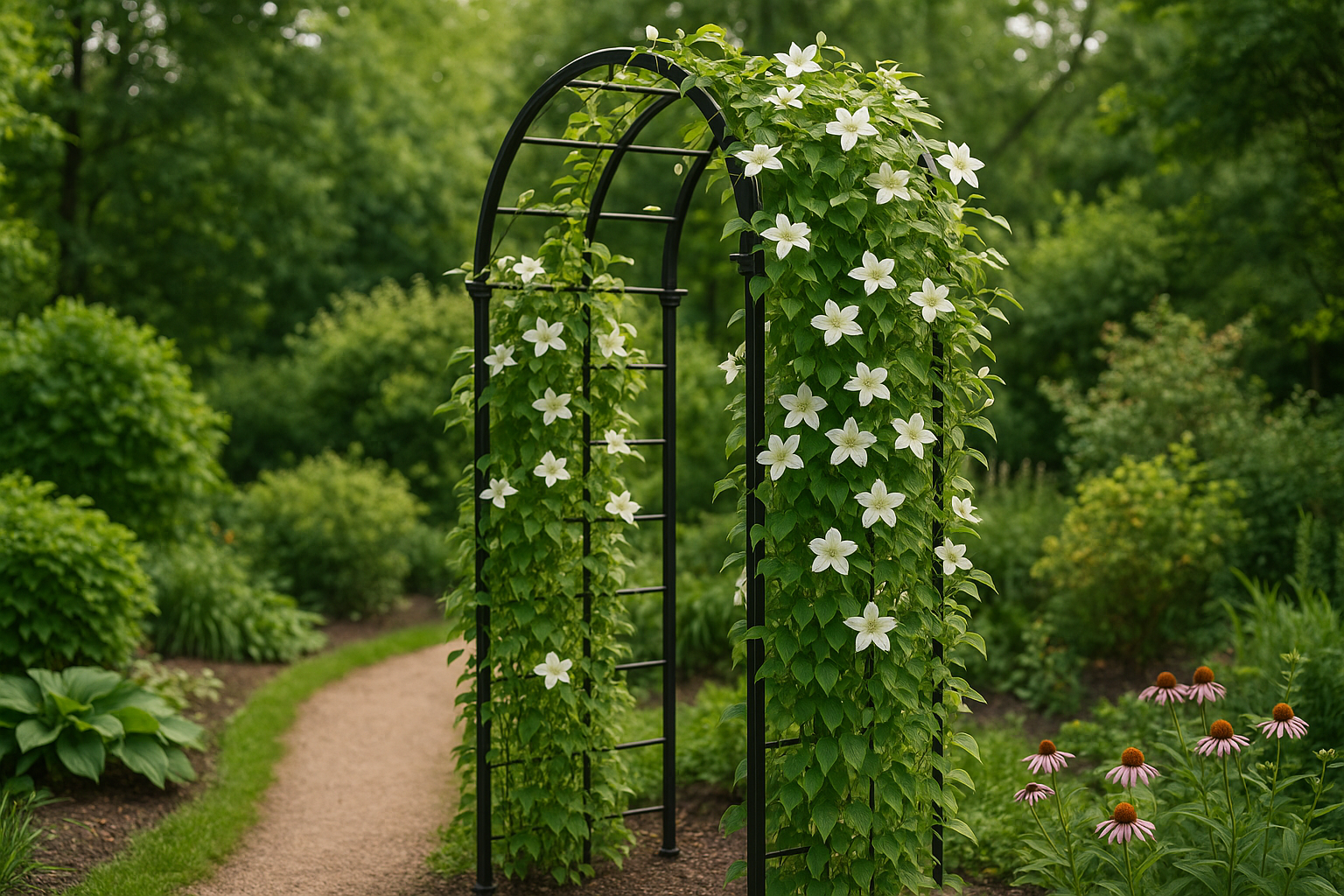
Why Choose an Arbor for Climbing Plants?
An arbor is more than a pretty gateway — it’s a vertical canvas for climbing plants that adds structure, shade, and fragrance to your garden. Whether you’re framing a pathway, creating a cozy nook, or defining an outdoor room, arbors let vines and climbers grow upward, saving ground space and adding seasonal interest.
Benefits at a glance
- Space-efficient vertical gardening for small yards.
- Increased privacy and light filtering when planted strategically.
- Seasonal blooms and scents that attract pollinators.
- Architectural focal point that complements garden design.
Types of Arbors and Best Materials
Choosing the right arbor depends on style, budget, and how long you expect it to last. Match material to the local climate and the weight of the plants you’ll train on it.
Wood
Wood arbors have a classic look and are easy to customize. Cedar and redwood resist rot naturally; pressure-treated lumber is budget-friendly but may need painting or sealing. Expect some maintenance (staining or sealing) every few years.
Metal
Wrought iron or steel arbors are strong and elegant, perfect for heavy climbers like roses or wisteria. They can be prone to rust in humid climates unless powder-coated or regularly treated.
Vinyl and Composite
Low-maintenance options that resist rot and pests. Vinyl looks clean and crisp and requires little upkeep, though it may become brittle in extreme cold and is less customizable than wood.
Best Climbing Plants for Arbors
Pick vines based on bloom time, maintenance level, and desired effect—fragrant, colorful, evergreen, or native plants for wildlife.
Flowering Climbers
- Clematis: Many varieties with different bloom seasons and colors; pair with supportive trellis slats.
- Climbing Roses: Classic and fragrant; choose repeat-blooming varieties for extended color.
- Wisteria: Dramatic cascades of flowers; needs a very sturdy support and regular pruning.
- Honeysuckle and Jasmine: Great for scent-filled entrances and evening enjoyment.
Evergreen and Foliage Climbers
- Climbing Hydrangea: Good for shady arbors with lush foliage and white blooms.
- Star Jasmine (Trachelospermum jasminoides): Semi-evergreen, strongly fragrant in mild climates.
- Evergreen Clematis (Clematis armandii): Adds year-round interest where winters are mild.
Placement and Design Tips
Careful placement increases functionality and visual impact. Consider sunlight, foot traffic, and the mature size of both the arbor and the plants.
Sun and Soil
Match plants to site conditions: full-sun climbers like roses and wisteria need at least six hours of sun; clematis often prefers cool roots and sun on the top growth. Improve heavy clay or poor soil with compost for healthier vines.
Scale and Proportion
Choose an arbor width and height appropriate to its location. A narrow pathway looks best with taller, slimmer arbors, while garden entrances can carry wider, more ornate structures. Ensure the arbor is tall enough for the intended plants and comfortable passage.
Companion Planting
Underplant with shade-tolerant perennials or groundcovers to hide soil and complement the vertical display. Examples include hostas, lavender, or low-growing salvias, depending on light levels.
Installation and Maintenance
A well-installed arbor and some seasonal care will keep your climbers healthy and the structure sound for years.
Installation Essentials
- Anchor posts deeply—use concrete for larger arbors to resist wind and vine weight.
- Place trellis elements at planting time or attach robust supports that guide growth without damaging stems.
- Plan irrigation: drip lines at the root zone help thirsty climbers establish without wetting foliage (reduces disease).
Pruning and Training
Most climbers need regular training to maintain shape and encourage blooms. Prune according to species-specific timing—some bloom on new wood, others on old wood. Use soft ties to gently secure vines and redirect growth.
Troubleshooting Common Issues
Pests and Diseases
Inspect regularly for aphids, scale, or fungal diseases. Good air circulation, proper spacing, and targeted treatments (neem oil, horticultural soap, fungicides when needed) help manage problems.
Structural Problems
If heavy vines cause sagging, consider reinforcing the arbor with additional braces or using stronger materials. Regular checks of fastenings and finish will prevent long-term deterioration.
Conclusion
An arbor is a versatile way to lift your garden vertically—providing beauty, scent, and seasonal interest. With the right plant choices, sturdy construction, and routine care, your arbor will become a cherished focal point and a welcoming passageway for years to come.