
Waterlogged Yard Solutions: How to Drain and Restore Your Lawn
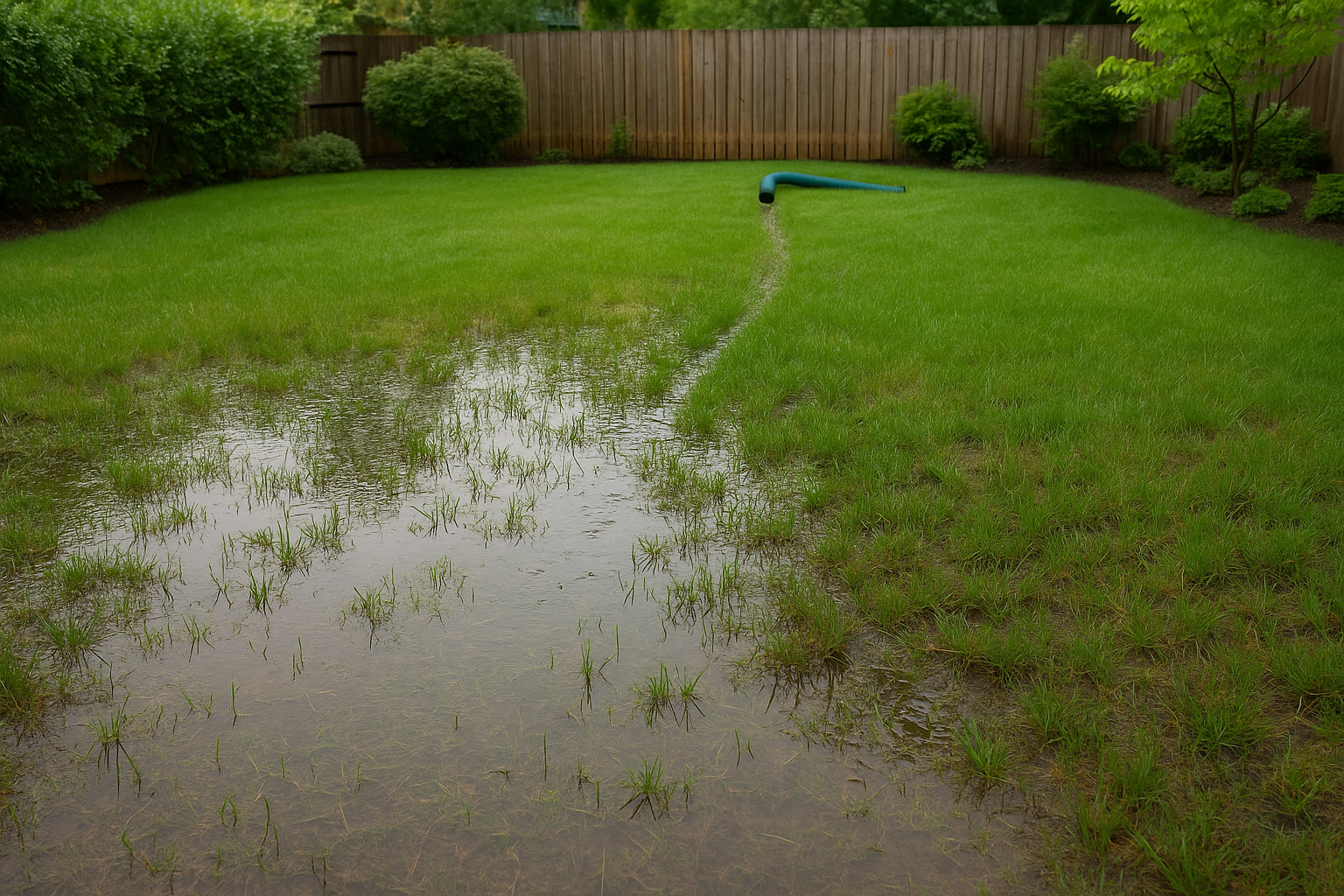
Understanding a waterlogged yard
A waterlogged yard is more than an aesthetic problem. Standing water or consistently soggy soil damages grass, invites pests, and can harm foundations and plants. Before spending time and money on fixes, it helps to understand why water pools in certain areas. Often it’s a mix of poor grading, compacted soil, blocked drains, or an unusually high water table.
How to diagnose the problem
Observe after rain
Watch how water behaves during and after storms. Note where puddles form, how long they last, and whether runoff flows toward your house or away. Mark low spots and areas with poor drainage.
Check soil and grading
Dig a small hole in a wet area and observe how quickly water drains. Heavy clay holds water; sandy soils drain faster. Also walk your property with a level or a simple string line to identify improper slopes that trap water near foundations or in depressions.
Inspect drains and gutters
Blocked gutters, downspouts, or yard drains can dump water into inappropriate places. Make sure downspouts extend several feet from the foundation and that yard drains are clear and functioning.
Quick short-term fixes
Redirect downspouts
Extending a downspout with a simple plastic extension or connecting to a buried line can move water away from problem areas. This is inexpensive and often fixes localized issues near foundations.
Top-dress low spots
For minor depressions, add a mix of topsoil and compost to raise the area. Rake it level and seed or sod over the patch. This helps prevent shallow puddling but won’t solve deep or recurring saturation.
Temporary surface drains
Surface trench drains or channel drains can be installed across patios or driveways to intercept water flow. These are useful when water is running across a hard surface into the yard.
Permanent, long-term solutions
Regrade the yard
Regrading to create a gentle slope away from the house (ideally 2% slope or about 2 inches of drop per 10 feet) is one of the most reliable long-term fixes. It’s a larger project that often requires a contractor and heavy machinery, but it protects landscaping and foundations.
Install a French drain
A French drain is a trench filled with gravel that contains a perforated pipe to carry water away. It’s excellent for intercepting groundwater and surface runoff before it pools. French drains work well along foundation lines, behind retaining walls, or in large low spots.
Add a dry well or stormwater basin
Dry wells collect runoff and allow it to percolate slowly into the ground. For properties with limited outlet options, connecting downspouts or drain lines to a dry well can prevent surface flooding. Size and local code requirements vary, so consult a professional.
Improve soil structure
Amending compacted clay with organic matter (compost) and gypsum can help break up heavy soils and improve infiltration. Aerating the lawn annually relieves compaction and promotes deeper root growth, which reduces surface runoff.
Plant a rain garden
Rain gardens are shallow, planted depressions designed to hold and absorb runoff. Using native, water-tolerant plants increases uptake and filters pollutants. They’re attractive, eco-friendly, and effective for handling water from roofs and driveways.
Use permeable paving
Replacing impermeable surfaces with permeable pavers, gravel, or porous concrete lets rain soak through rather than run off. Permeable solutions are ideal for driveways, walkways, and patios where runoff contributes to yard flooding.
Consider a sump pump
In very wet areas or where a basement or crawlspace is affected, a sump pump can actively remove groundwater and discharge it to a safe outlet. Sump systems require power and maintenance but are highly effective for critical interior water problems.
Maintenance tips to keep problems from returning
- Keep gutters and downspouts clear and direct them away from problem areas.
- Aerate and overseed compacted lawns annually.
- Watch for changes after heavy construction or landscaping—altered drainage patterns can create new low spots.
- Inspect and maintain any installed drainage systems to ensure pipes remain clear and gravel hasn’t compacted.
Budgeting and hiring help
Costs range from a few dollars for a downspout extension to thousands for regrading or professional French drain installation. Get multiple quotes, ask for references, and verify permits when needed. For complex grading or when structural issues are possible, consult a landscape contractor or civil engineer.
Conclusion
A waterlogged yard can often be fixed with a mix of small adjustments and larger interventions. Start by diagnosing the root cause, then choose solutions that match your budget and long-term goals. With thoughtful changes—improved grading, better soil structure, targeted drainage, or a rain garden—you can reclaim a healthy, usable yard.