
Freestanding Arbors: A Complete Guide to Adding Structure, Shade, and Style to Your Garden
What Is a Freestanding Arbor?
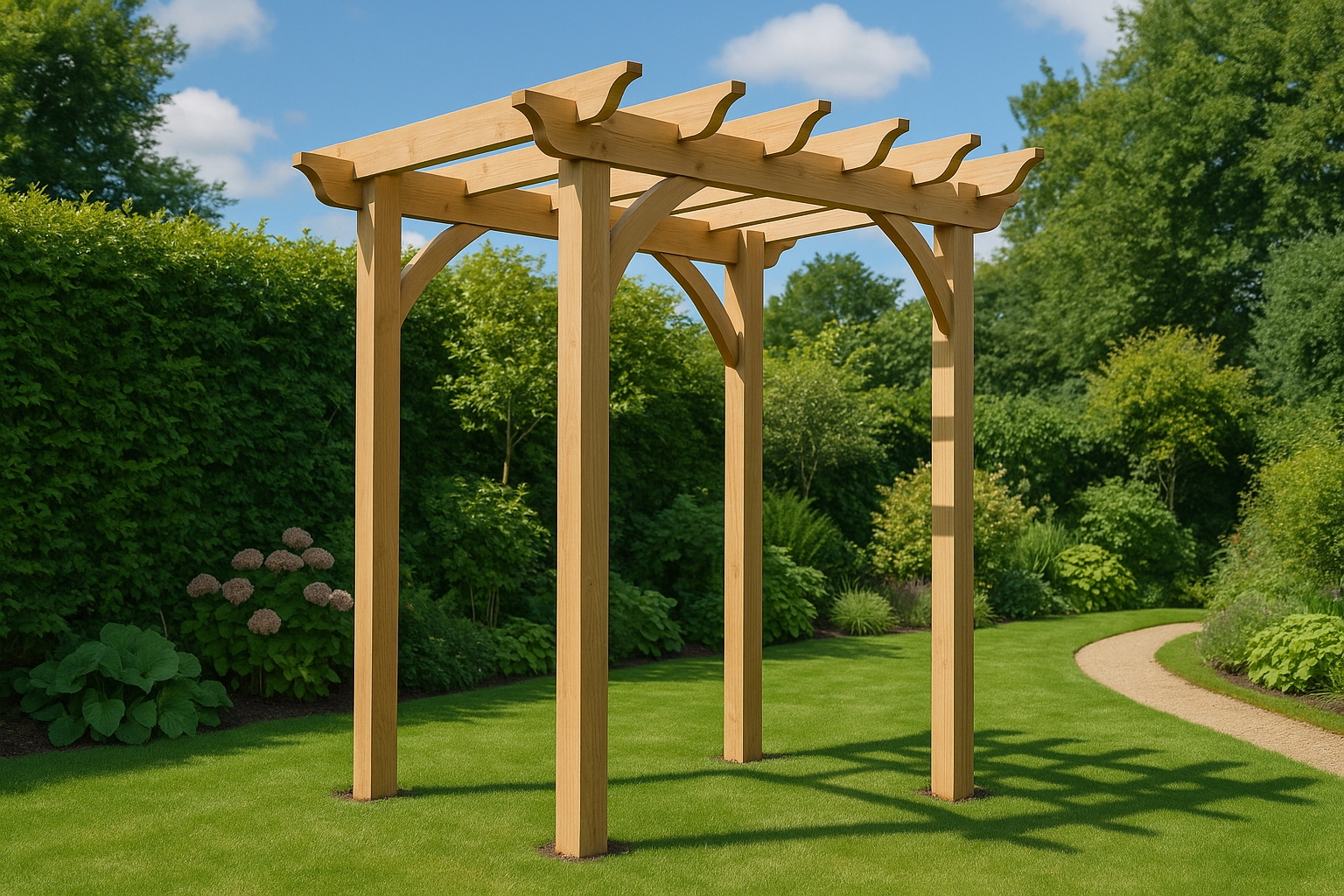
A freestanding arbor is a standalone garden structure, often made of wood, metal, or vinyl, that creates an inviting focal point without needing attachment to a fence, wall, or home. Unlike pergolas that typically span larger areas, freestanding arbors are compact and versatile: they can mark an entrance, frame a pathway, or create a little shady nook in the landscape.
Benefits of Adding a Freestanding Arbor
Freestanding arbors offer multiple advantages for homeowners and gardeners:
- Visual interest: They add vertical structure and a sense of scale to a garden.
- Defined spaces: Use an arbor to define a transition—front yard to garden, path to patio, or a secret seating area.
- Support for plants: Climbers like roses, clematis, and honeysuckle thrive on arbors and provide seasonal color and fragrance.
- Flexibility: Because they are freestanding, they can be moved (if lightweight) or incorporated into new designs during landscaping updates.
Materials and Styles
Common Materials
- Wood: Classic and warm. Cedar and redwood resist rot and insects. Wood can be stained or painted to match your design.
- Metal: Wrought iron or powder-coated steel provides a delicate, ornate look with high durability.
- Vinyl/PVC: Low-maintenance and weather-resistant. These arbors often come in kit form and resist peeling or rotting.
- Composite: Combines the look of wood with minimal maintenance; good for long-lasting installations.
Design Styles
Choose a style that complements your home and garden: classic lattice, romantic garden arch, modern geometric frames, or rustic timber arbors. Consider size, ornamentation, and how much climbing plant coverage you want.
Placement, Size, and Proportion
Placement matters. Follow these practical tips for positioning and sizing your arbor:
- Entryway: Place arbors at the beginning of pathways to create a welcoming threshold.
- Pathways: Repeat smaller arbors along a long path to form a green tunnel effect.
- Patio or seating area: Sit an arbor near a bench or swing for added shade and intimacy.
- Proportion: Ensure the arbor’s height and width balance with nearby structures and plantings. A typical garden arbor is 7–9 feet tall and 3–6 feet wide, but adjust to your space.
Installation: DIY vs. Hiring a Pro
DIY Installation
Many arbors come in kits with pre-cut parts and hardware. Basic DIY steps include staking the location, setting posts in concrete or using post anchors, assembling the parts, and securing connections. Tools needed: post-hole digger, level, concrete mix (if required), drill, and fasteners.
When to Hire a Pro
If your site has uneven terrain, utility lines, or you want an elaborate custom design, professional installation ensures safety and longevity. Pros also help with permitting when needed.
Planting and Decorating Your Arbor
Plants and accessories transform a bare arbor into a living centerpiece:
- Climbing plants: Choose roses, clematis, jasmine, wisteria, or columnar vines. Match plant vigor to arbor material and structure strength.
- Containers and window boxes: Flank the base with potted annuals for seasonal pops of color.
- Lighting: String lights, lanterns, or solar path lamps add ambiance and extend evening use.
- Seating: Add a bench, swing, or small bistro set beneath for a cozy retreat.
Maintenance and Longevity
Maintenance depends on material:
- Wood: Inspect annually for rot and insect damage; re-stain or seal every few years.
- Metal: Check for rust; touch up paint or apply rust inhibitor.
- Vinyl/Composite: Clean with soap and water; avoid harsh chemicals.
Trim vines to prevent overgrowth, especially heavier climbers that can stress the structure. Secure fasteners and replace worn connectors to keep the arbor stable through seasons.
Choosing the Right Arbor for Your Garden
Ask yourself these questions when choosing an arbor: What size of opening do I need? Will climbing plants cover it? How much maintenance am I willing to do? What’s my budget? Answering these will narrow material and style choices and help you pick an arbor that fits both function and aesthetics.
Conclusion
Freestanding arbors are a smart, versatile way to add charm, structure, and plant support to nearly any outdoor space. With thoughtful placement, the right material, and proper maintenance, an arbor can become a signature feature that enhances curb appeal and creates a peaceful spot to enjoy your garden.