
Koi Pond Landscaping: Design, Plants, and Practical Tips for a Stunning Water Garden
Planning Your Koi Pond Landscape
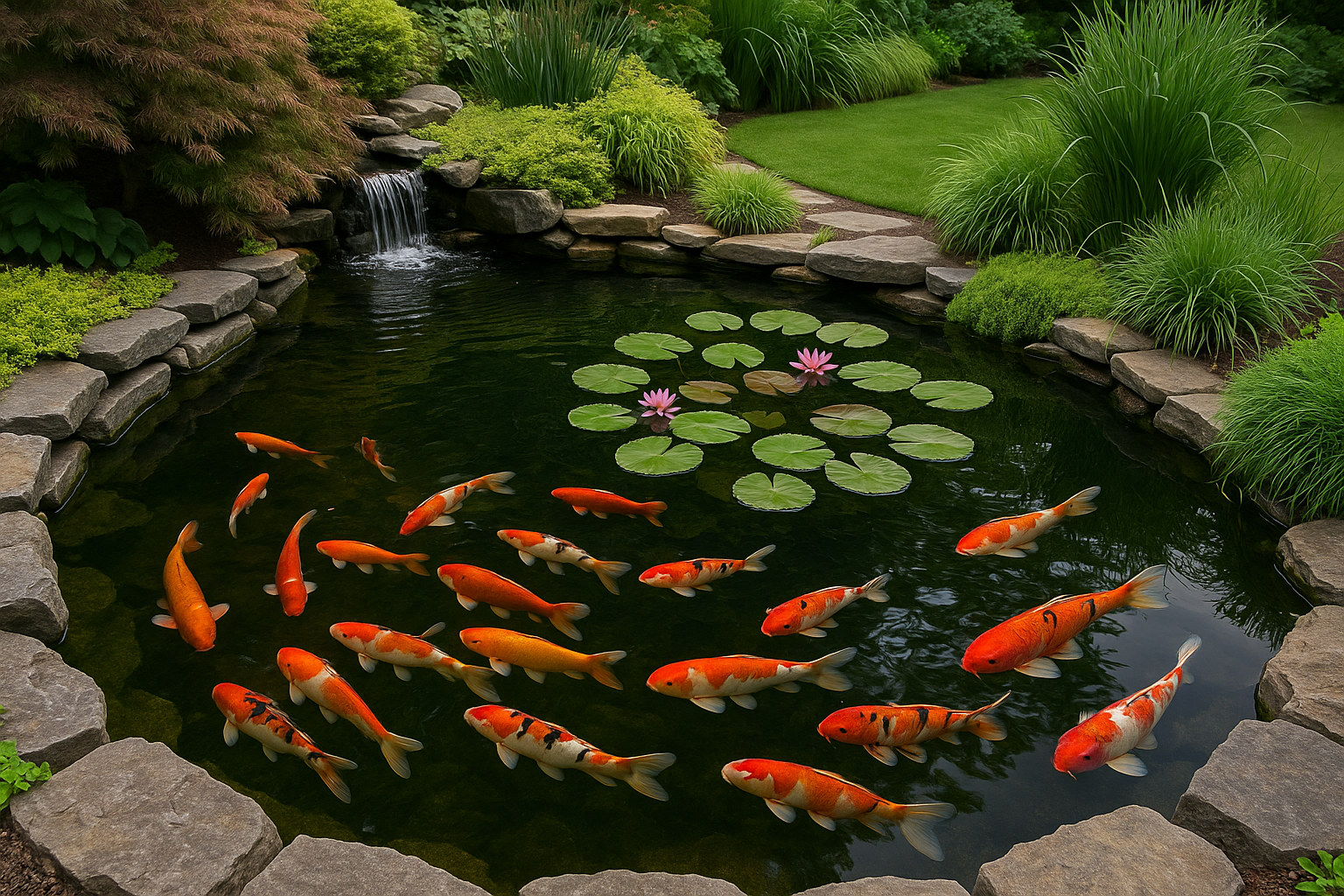
Creating a koi pond is as much about landscape design as it is about fishkeeping. Before breaking ground, think about the long-term look and function of the space. A well-planned layout balances aesthetics, koi health, and practical maintenance.
Assess Site, Size, and Orientation
Choose a location with partial sun: too much shade invites algae and too much direct sun overheats the water. Avoid placing the pond under large trees to reduce leaf debris and root damage. Consider pond depth (3–4 feet is ideal for koi to avoid predators and temperature extremes) and plan a size that complements your yard.
Set a Budget and Define Purpose
Decide whether the pond is primarily ornamental, a habitat for breeding, or a showpiece. Budget for excavation, liner or concrete, filtration, landscaping, lighting, and ongoing maintenance. Remember that investing in proper filtration and materials upfront reduces headaches later.
Design Styles & Layout
Your landscaping style should harmonize with your home and garden. Use materials and plant palettes that create a cohesive look.
Natural vs. Formal Styles
- Natural: Soft edges, irregular rock groupings, native marginal plants, and a meadow or woodland backdrop feel organic and forgiving.
- Formal: Symmetrical shapes, clean edging, stonework, and structured plantings lend a contemporary or traditional garden-room look.
Levels, Sightlines, and Viewing Areas
Design multiple viewing points: a patio, deck, or bench near the water’s edge and raised vantage points. Use terracing and plant height to frame sightlines so the koi are visible from seating areas and indoor windows.
Plants and Aquatic Vegetation
Plants are essential for water quality, shade, and visual interest. Choose species that support koi health without overtaking the pond.
Beneficial Marginal and Oxygenating Plants
- Marginal plants (iris, pickerelweed, umbrella palm) help filter nutrients and provide hiding spots.
- Floaters (water lilies, water lettuce) offer shade and reduce algae by limiting sunlight.
- Submerged oxygenators (elodea, hornwort) improve dissolved oxygen but may be eaten by hungry koi.
Avoid Toxic or Invasive Species
Research plants before adding them. Some species are invasive in certain regions, and others may release substances harmful to fish. Select pond-safe plants and consider planter baskets to contain aggressive roots.
Hardscaping and Materials
Hardscape elements give structure and durability to your koi pond landscape.
Rocks, Waterfalls, and Edging
Use natural stone for a timeless look. Waterfalls provide aeration and filtration opportunities while softening mechanical sounds. Ensure edges are stable—use attractive coping stones, timber, or steel edging depending on your style.
Decks, Paths, and Seating
Paths of gravel, flagstone, or pavers guide visitors and reduce soil erosion. Install seating areas that face the pond and consider railings or low walls if you have small children or steep slopes.
Filtration, Water Quality & Maintenance
Clean, clear water is essential for koi health and the overall appearance of your pond. A well-designed filtration system reduces algae and keeps ammonia and nitrite low.
Filtration Options
- Mechanical filtration removes solids (skimmers and settlement chambers).
- Biological filtration uses beneficial bacteria on media or biofilters to convert ammonia to less harmful nitrates.
- UV clarifiers control free-floating algae for crystal-clear water.
Regular Maintenance
Perform partial water changes, clean filters, and remove leaf litter regularly. Monitor water parameters (pH, ammonia, nitrite, nitrate) weekly during warm months. Seasonal tasks include netting in fall and preparing pumps for winter in cold climates.
Lighting & Decorative Features
Lighting extends usable hours and highlights focal points. Incorporate underwater, accent, and path lights for safety and ambiance.
Underwater & Accent Lighting
LED fixtures are energy-efficient and cool-running. Place lights to illuminate waterfalls, foliage, and the koi themselves without blinding them. Consider timers and dimmers to mimic natural dusk.
Koi Care & Safety Considerations
Depth, Cover & Predator Protection
Provide depth and shade to protect koi from heat and birds. Netting, decoys, or motion-activated sprinklers can deter predators. Create hiding spots with rock overhangs or submerged pots.
Permitting and Local Rules
Check local regulations regarding excavations, water features, and fencing. Some areas require permits or have rules to protect groundwater and stormwater runoff.
Conclusion
Koi pond landscaping blends design, ecology, and fish care. Thoughtful planning—site selection, appropriate plants, durable hardscaping, and reliable filtration—yields a beautiful, low-stress pond that will be a focal point for years. Start small if you’re new to ponds, and adapt your plan as you learn how your pond behaves through the seasons.