
Landscaping Irrigation Systems: Smart Strategies for a Healthy, Water-Efficient Yard
Introduction
Landscaping irrigation systems are the backbone of a thriving outdoor space. Whether you have a small urban garden or a large lawn, the right irrigation setup saves time, conserves water, and supports healthier plants. This guide walks through the types, components, design tips, maintenance, and modern tech you should consider for efficient landscape watering.
Why a Good Irrigation System Matters
Efficient irrigation does more than keep plants green. It optimizes water use, reduces plant stress, prevents disease, and can cut utility bills. A well-designed system also minimizes runoff and soil erosion, preserving the overall health and appearance of your landscape.
Types of Landscaping Irrigation Systems
Sprinkler Systems
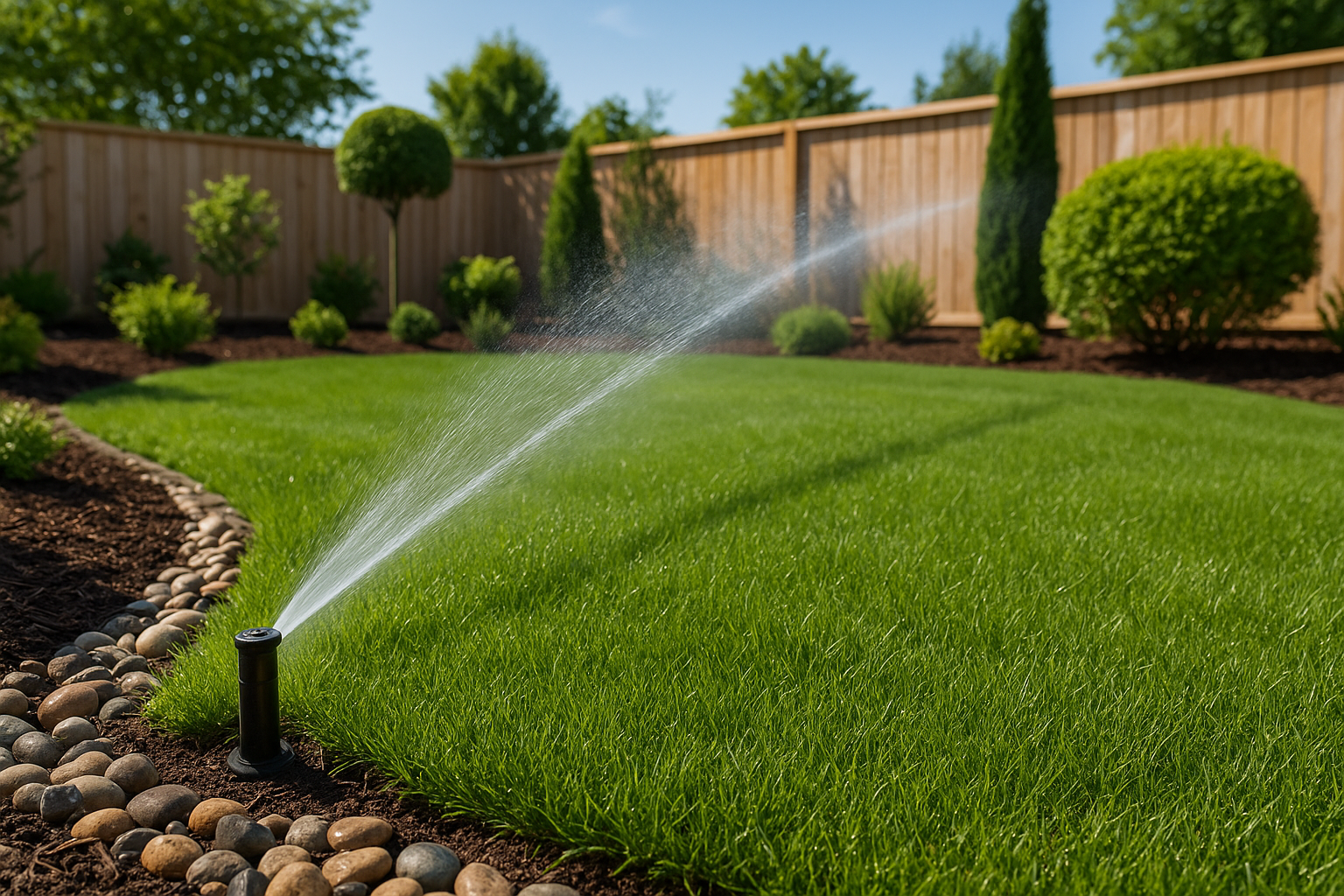
Sprinklers are ideal for lawns and broad planting beds. They come in fixed, rotary, and pop-up styles. Proper spacing, head selection, and pressure regulation are key to achieving even coverage and avoiding wasteful overspray.
Drip Irrigation
Drip systems deliver water slowly at the soil level, making them perfect for flowerbeds, shrubs, and vegetable gardens. They reduce evaporation and fungal problems by keeping foliage dry. Drip lines, emitters, and microsprays give precise control for individual plants.
Soaker Hoses
Soaker hoses are a low-cost option for garden rows and mulched beds. They allow water to seep directly into the soil but can clog or degrade faster than higher-end drip components.
Smart and Hybrid Systems
Combining sprinklers and drip lines often delivers the best results. Smart systems integrate sensors and controllers to automate watering schedules based on weather, soil moisture, or plant needs.
Key Components of an Irrigation System
- Controller/Timer: The system’s brain, which schedules watering. Smart controllers adjust cycles automatically.
- Valves and Manifolds: Control water flow to different zones of your landscape.
- Pipes and Tubing: Deliver water from the source to emitters or spray heads.
- Emitters and Sprinkler Heads: Release water in controlled patterns and amounts.
- Backflow Preventer: Protects your potable water supply from contamination.
- Filters and Pressure Regulators: Keep emitters clog-free and water pressure consistent.
Planning and Design Tips
Good planning prevents costly mistakes. Start by mapping your yard and grouping plants by water needs—this is called hydrozoning. Consider soil type, slope, sun exposure, and existing irrigation infrastructure.
Designate separate zones for lawns, shrubs, and garden beds. Use low-angle sprays or drip lines on slopes to reduce runoff and schedule shorter, more frequent cycles for better absorption in clay soils.
Installation Considerations
DIY installation can work for simple systems, but complex or municipal hookups may require professional help. Always check local codes and utility locations before digging. For long-term reliability, use UV-resistant tubing, weatherproof wiring, and rated components for your climate.
Maintenance and Winterization
Routine maintenance keeps systems efficient: check for clogged emitters, broken sprinkler heads, leaks, and uneven coverage. Clean filters seasonally and inspect valves for debris.
In colder climates, winterize by blowing out lines or draining systems to prevent freeze damage. In warmer areas, flush and inspect before the hot season to avoid mid-summer failures.
Water Conservation Strategies
Smart irrigation reduces water bills and conserves a precious resource. Tips include:
- Use a smart controller with local weather data to skip watering after rain.
- Install rain sensors and soil moisture probes to water only when needed.
- Apply mulch around plants to retain soil moisture and reduce evaporation.
- Replace high-water-use turf with drought-tolerant plants where possible.
Smart Technology and Automation
Modern controllers now offer Wi-Fi connectivity, app-based scheduling, and integration with home automation systems. Soil sensors and flow meters can detect leaks and fine-tune irrigation by plant type. These features save water and provide peace of mind with remote monitoring.
Troubleshooting Common Problems
If you notice dry spots, soggy patches, or unusually high water usage, systematic checks help diagnose issues:
- Dry patches: Check for clogged nozzles, misaligned heads, or low pressure.
- Soggy areas: Look for broken valves, stuck open heads, or drainage problems.
- High water bills: Inspect for hidden leaks, running valves, or inefficient scheduling.
Cost and ROI
Initial costs vary widely based on system complexity, materials, and professional labor. While professional installation is pricier, it often produces more efficient systems that save money on water and plant replacement over time. Consider the long-term value of water savings, healthier plants, and increased property appeal.
Conclusion
A thoughtful irrigation system is one of the smartest investments you can make in your landscape. By choosing the right type, designing efficient zones, keeping up with maintenance, and leveraging smart tech, you’ll enjoy healthier plants, lower water bills, and a more resilient outdoor space.