
August Landscaping Tips: Keep Your Yard Healthy Through Late Summer
Why August Matters for Your Landscape
August is the peak of summer stress for lawns and gardens. Heat, irregular rainfall, and pests combine to challenge plants just as they need deep roots and energy to carry them through to fall. With a few targeted tasks this month, you can reduce summer damage, improve resilience, and set your property up for a strong autumn recovery.
Lawn Care Essentials
Watering Wisely
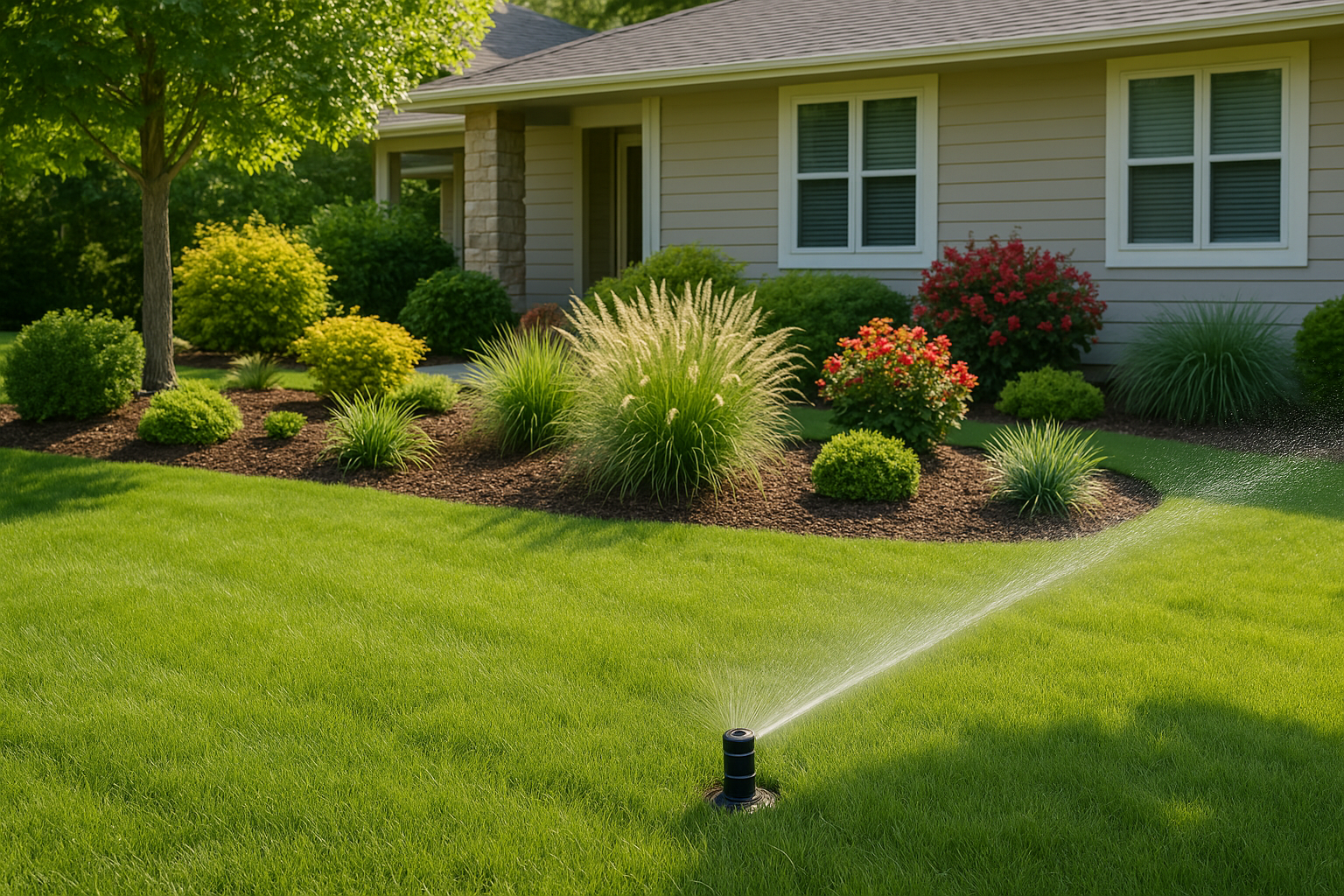
Water deeply and infrequently—early morning irrigation that soaks the top 6–8 inches of soil encourages deep root growth and reduces evaporation. Aim for about 1 to 1.25 inches of water per week from rain plus irrigation. If your lawn shows signs of drought stress (folded blades, a bluish tint, or footprints that don’t bounce back), increase watering frequency temporarily rather than duration.
Mowing and Maintenance
Keep mower blades sharp and raise your cutting height to help shade roots and retain soil moisture. A taller lawn (around 3–3.5 inches for most cool-season grasses) reduces stress and outcompetes weeds. Leave grass clippings on the lawn unless disease is present—clippings return nutrients to the soil.
Fertilizing and Weed Control
Avoid heavy nitrogen applications in late summer for warm-season grasses; they’ll respond better in spring or late summer depending on your region. For cool-season lawns, a light, slow-release fertilizer in early August can boost recovery if soil tests show a need. Spot-treat broadleaf weeds rather than blanket-spraying when temperatures are high to avoid plant stress.
Garden and Flower Bed Care
Deadheading and Pruning
Remove spent blooms to encourage continued flowering and a tidier appearance. Light pruning of heat-damaged stems promotes airflow and reduces disease pressure. Hold back on major pruning until cooler weather unless a branch poses a problem.
Mulching
Refresh mulch to a 2–3 inch layer to conserve moisture, regulate soil temperature, and suppress weeds. Organic mulches (shredded bark, composted leaves) also slowly improve soil structure as they break down.
Pest and Disease Watch
Inspect plants weekly for insect activity and disease signs. Hot, dry conditions favor some pests (like spider mites) and fungal issues can flare after summer storms. Use targeted biological controls or spot treatments and remove infected foliage promptly.
Trees and Shrubs
Deep Watering
Trees and shrubs need consistent deep watering more than frequent shallow sprays. Apply a slow soak at the drip line to help roots access moisture where they live. For new plantings, increase frequency to support establishment.
Inspection and Light Pruning
Check for signs of stress—discolored leaves, premature leaf drop, and chew marks. Perform light pruning to remove broken or diseased branches, but avoid heavy shaping; major pruning can stimulate growth that won’t harden off before frost.
Irrigation System and Water Conservation
Check and Adjust Your System
Inspect sprinkler heads, drip lines, and controllers. Look for leaks, misaligned sprinklers, and clogged emitters. Adjust watering schedules based on current weather and local water restrictions—smart controllers that respond to weather can save water and keep plants healthier.
Conserve Water Without Sacrificing Health
Group plants by water needs (hydrozoning), use drought-tolerant species in low-water areas, and consider adding more permeable surfaces to reduce runoff. Rain barrels and graywater (where allowed) help stretch municipal supplies.
Hardscapes and Outdoor Living Areas
Maintenance and Comfort
Power-wash patios and clean furniture cushions to remove pollen and dust buildup. Check stone and paver joints for weeds, and refill joint sand as needed. Shade structures may need tightening or treatment after a long summer of sun exposure.
Pest Prevention
Keep firewood, compost, and debris away from home foundations to discourage rodents and insects. Seal small cracks in decking and patios to limit insect access to structures.
Preparing for Fall and Next Season
Plan and Plant
August is a great time to plan fall color and planting. Order bulbs and seeds, and start cool-season transplanting when temperatures moderate. Overseeding thin lawns in late August or early September (region-dependent) gives grasses a head start before cooler weather.
Soil Tests and Amendments
Collect soil samples now to guide fall fertilizer and lime applications. Adjusting pH and nutrients in advance gives amendments time to settle and benefit plants when growth resumes.
Tools and Personal Safety
Tool Care
Clean, sharpen, and oil blades and check fuel systems on power equipment. Properly stored tools last longer and perform safer when you need them most.
Stay Safe in the Heat
Work early or late to avoid midday heat, wear lightweight breathable clothing, and stay hydrated. Take regular breaks—your landscape will thank you for safe, steady care over frantic work in extreme heat.
Conclusion: August is a balancing act: do enough to protect and prepare without overstressing plants. Prioritize deep watering, careful pruning, pest checks, and planning for fall. A little mindful effort this month pays off with healthier plants and a smoother transition into the cooler seasons.