
Understanding the Landscape Construction Process: From Plan to Finished Yard
Introduction
Landscape construction turns an idea into a living, functional outdoor space. Whether you are updating a backyard, installing a new patio, or building a full property makeover, knowing the typical process helps you set expectations, control costs, and get better results. This guide walks through each stage of a landscape construction project so you can feel confident and prepared.
Planning and Design
Site Assessment
Good landscape construction starts with a thorough site assessment. A contractor or designer will evaluate soil type, drainage, topography, sun exposure, existing vegetation, and any structures or utilities. This informs where features can go and which plant types will thrive.
Conceptual Design and Budgeting
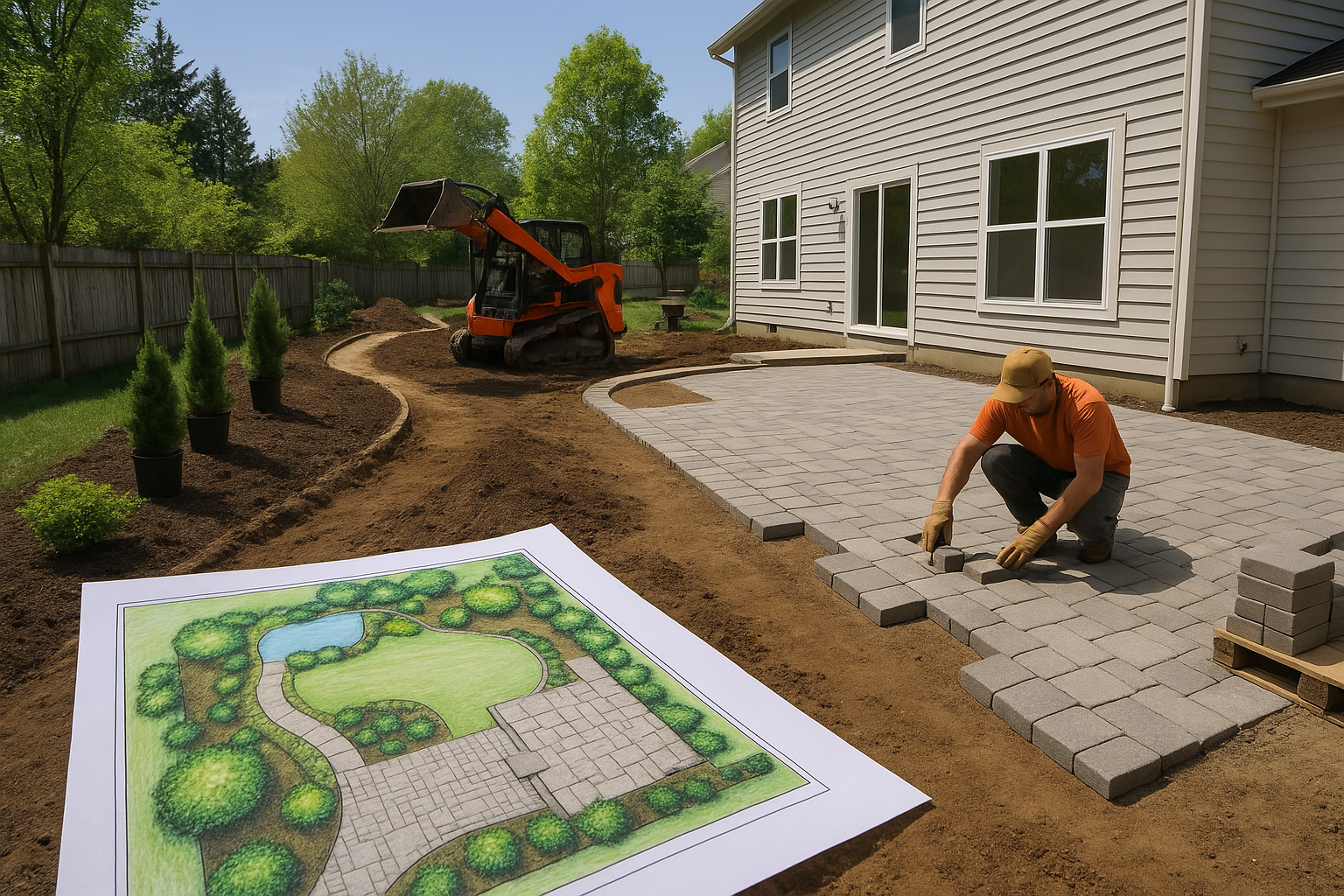
After assessment, a concept plan translates goals into a layout. Expect sketches or a digital plan showing hardscape locations, planting areas, and irrigation zones. At this stage you should discuss priorities and establish a realistic budget. A clear budget helps designers propose solutions that meet both aesthetic and financial needs.
Pre-Construction and Permits
Permits and Utility Checks
Many projects require permits for grading, retaining walls, patios, or drainage changes. Contractors typically pull permits and coordinate utility locates to avoid hitting underground lines. Delays are often caused by missing permits or slow municipal reviews, so start this step early.
Materials and Scheduling
Selecting materials comes next. Hardscape materials like pavers, natural stone, decking, and retaining wall blocks should be chosen in advance to ensure availability. The contractor will also set a project schedule, factoring in weather, material lead times, and crew availability.
Construction Phase
Site Preparation and Grading
Construction begins with clearing and site preparation. This may include tree protection, removal of unwanted plants, demolition of old features, and grading to establish proper slopes for drainage. Proper grading prevents future water problems and sets the foundation for all other work.
Hardscaping
Hardscape elements such as patios, walkways, retaining walls, and driveways are typically built first because they require heavy equipment and earthmoving. This phase involves compacting subgrades, installing edge restraints, and laying base material before placing finish products. Attention to base preparation is critical for long-term performance.
Softscaping
Once hardscape is in place, crews move to planting and turf. Soil amendments are added where needed, planting holes are prepared, and larger trees are positioned using proper handling techniques. Plant selection focuses on site conditions and maintenance expectations. Installing sod or seed finishes the planting stage.
Irrigation, Drainage, and Utilities
Irrigation systems are installed to match planting zones, maximizing water efficiency. Drainage solutions such as French drains, dry wells, or surface drainage channels are integrated to prevent erosion and pooling. Electrical work for lighting and water features is coordinated with these systems to avoid conflicts.
Finishing Touches and Quality Control
Lighting and Details
Landscape lighting, final mulching, and small-scale details bring the design to life. Lighting enhances safety and extends usable hours, while carefully placed mulch and edging create crisp transitions between materials.
Cleanup and Client Walkthrough
After construction crews complete work, the site is cleaned and checked for punch-list items. A final walkthrough with the homeowner ensures all features meet expectations. This is the time to document warranties, operating instructions for irrigation and lighting, and recommended maintenance routines.
Establishment and Maintenance
Establishment Period
The first year is the establishment period when plants need consistent care. Proper watering, timely pruning, and monitoring for pests or disease help young plants develop strong root systems. Many contractors offer maintenance plans to help during this crucial phase.
Long-Term Care
Long-term maintenance includes seasonal tasks such as fertilizing, mulching, replacing worn materials, and adjusting irrigation. A low-maintenance design reduces ongoing costs, but every landscape requires periodic attention to stay healthy and attractive.
Cost and Timeline Considerations
Costs vary widely based on materials, site complexity, plant sizes, and labor. Timelines depend on project scope and weather. Communicate openly with your contractor about priorities and trade-offs to keep the project on track. Allow buffer time and budget for unexpected issues uncovered during construction.
Tips for a Smooth Project
- Choose a licensed, insured contractor with good references.
- Get a written contract that outlines scope, timeline, and payment schedule.
- Keep lines of communication open and schedule regular check-ins.
- Prioritize durability for high-traffic areas and sustainability where possible.
Conclusion
Landscape construction is a step-by-step process that blends design, engineering, and horticulture. Understanding the phases from planning to maintenance will help you make informed decisions and achieve a yard that looks great and performs well for years to come.