
Garden Arbors: A Complete Guide to Styles, Plants, and Installation
Introduction
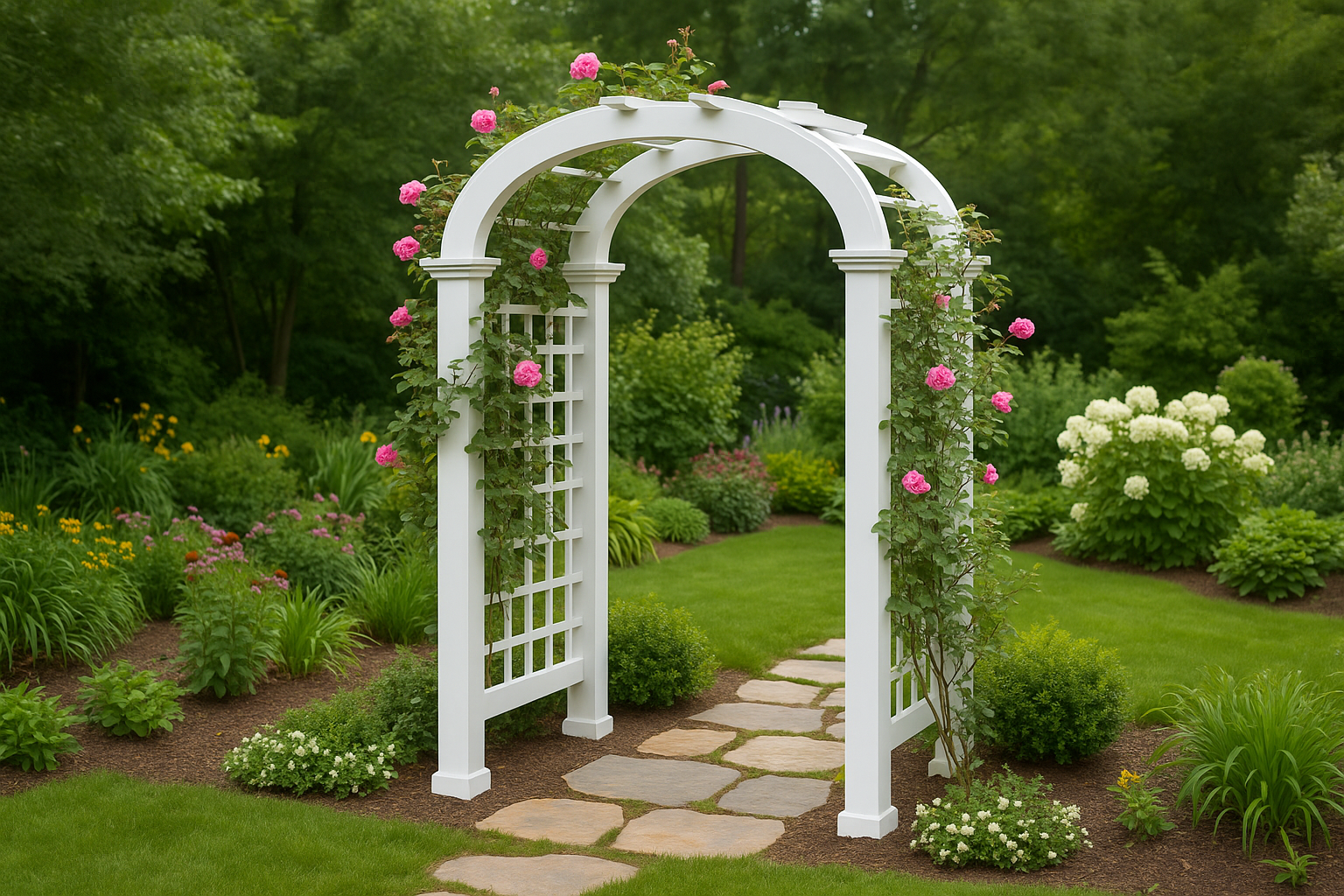
Garden arbors are simple yet powerful additions to any landscape. They create inviting entrances, support climbing plants, and add vertical interest to otherwise flat garden spaces. Whether you’re aiming for a romantic rose-covered archway or a modern metal structure with clean lines, this guide walks you through styles, materials, planting choices, installation tips, and styling ideas.
What Is a Garden Arbor?
An arbor is a freestanding arch or structure often placed over a path, gate, or seating area. Compared with larger structures like pergolas, arbors are typically smaller and more decorative, but they serve many of the same purposes: defining space, supporting climbing plants, and acting as a focal point.
Common Arbor Styles
- Classic wooden arbor: Curved top and lattice sides for vines.
- Metal arch: Slim profile and modern look, great for delicate vines.
- Vinyl arbor: Low maintenance and long-lasting in wet climates.
- Trellis-integrated arbor: Built-in panels for instant coverage.
Materials and Finishes
Material affects both look and maintenance. Cedar and redwood resist rot and insects; pressure-treated wood lasts but may need stain; metal offers slim lines but can rust if untreated; vinyl never needs painting but can look plastic if poorly detailed. Consider your climate, budget, and desired aesthetic.
Benefits of Adding an Arbor
Arbors do more than look pretty. They provide structure in the garden, create memorable entryways, and increase vertical planting space—especially valuable in small yards. They can also offer filtered shade, a place to hang lights, and a natural nook for seating or a bench.
Garden and Wildlife Benefits
- Support for climbing plants like roses, clematis, and wisteria.
- Habitat and nectar sources for pollinators when planted with flowering vines.
- Improved microclimate under the arch for shade-loving plants and seating.
How to Choose the Right Arbor
Size and Placement
Measure the walkway width—most arbors should be at least 36 inches wide to allow comfortable passage, but wider if you want to add a bench or gate. Place the arbor where it will be seen from multiple vantage points, like the end of a path or at the entrance to a garden room.
Plants and Compatibility
Match plant vigor to arbor strength. Heavy vines such as wisteria and mature climbing roses need very sturdy supports and strong footings. Clematis, jasmine, and honeysuckle are lighter and work well with thinner structures. Think about bloom season and fragrance when choosing vines.
Budget: DIY vs Prebuilt
Prebuilt arbors are quick to install and often come in kits, while DIY gives you custom size and finish at potentially lower cost. Factor in anchoring materials, tools, and any staining or painting when calculating total cost.
Installation and Maintenance Tips
Preparing the Site
Locate underground utilities before digging. Set posts in concrete for a permanent build, or use bolt-down brackets for a less invasive setup. Ensure the structure is level and plumb before backfilling.
Planting and Training Vines
Plant vines a few inches from the base of the arbor to encourage roots to establish without competing with concrete footings. Train young vines gently using soft ties or twine, and remove any wayward shoots to encourage upward growth.
Seasonal Care
Prune according to plant type—roses and wisteria need more aggressive pruning, while clematis benefits from light shaping. Treat wooden arbors with a protective stain every few years; check metal for rust and repaint when needed. In windy or snowy regions, periodically check anchors and clear heavy snow buildup.
Creative Styling Ideas
Lighting and Accessories
String lights or lanterns transform an arbor into a cozy nighttime feature. Add a hanging planter, wind chime, or a small bench to make the space functional and welcoming.
Seasonal Displays
Change the look throughout the year: spring flowers and delicate vines for a soft look, summer climbers for lush coverage, and holiday garlands or lights in winter. Potted annuals at the base can add seasonal color without committing to long-term planting.
Conclusion
Garden arbors are versatile features that elevate landscape design, support climbing plants, and create memorable outdoor moments. With careful choice of material, placement, and plants, an arbor can become both a functional structure and a beautiful focal point that grows more charming each season.