
Retaining Walls Landscaping: Design, Materials, and Practical Tips for a Strong, Beautiful Yard
Introduction: Why Retaining Walls Matter in Landscaping
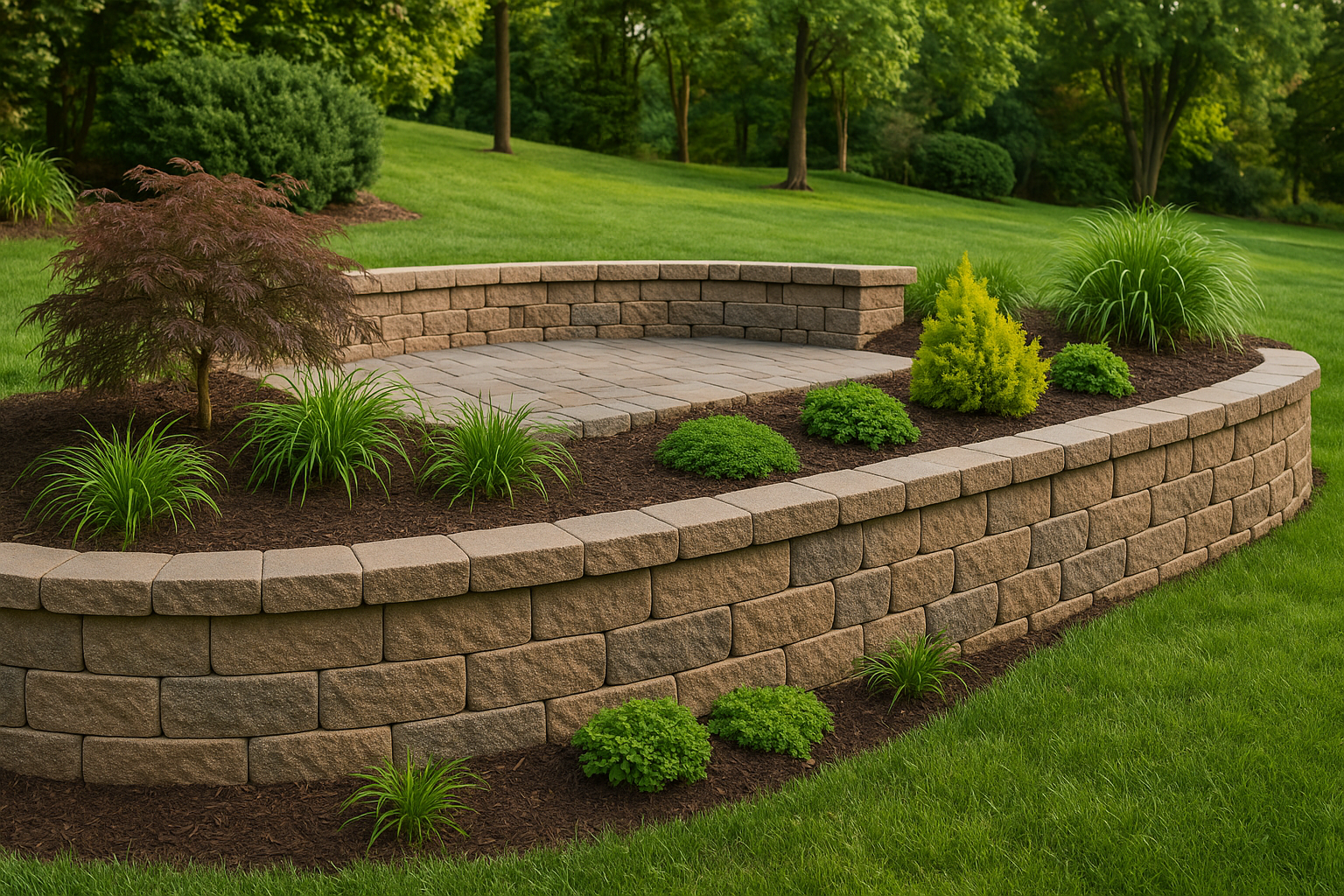
Retaining walls are more than a structural necessity — they’re an opportunity to add texture, height, and functionality to your landscape. Whether you’re managing a steep slope, creating terraced garden beds, or preventing soil erosion, a well-designed retaining wall can transform your outdoor space into something both useful and beautiful.
Types of Retaining Walls
Gravity Walls
Gravity walls rely on their own weight to hold back soil. Typically built from heavy materials like stone or concrete blocks, they are ideal for low to medium-height applications and lend a timeless look to the landscape.
Anchored Walls
Anchored walls use cables or other anchoring systems for extra support, allowing them to hold higher loads while using less material. These are a good choice where space behind the wall is limited or when dealing with taller structures.
Sheet Pile Walls
Made from steel, vinyl, or wood planks driven into the ground, sheet pile walls are useful in tight sites or waterfront properties. They’re quick to install but are typically used for shorter-term or specialized applications.
Choosing Materials: Look and Longevity
Your choice of material affects both the aesthetic and lifespan of the wall. Common materials include:
- Natural stone — Durable and visually striking; often more expensive but adds high curb appeal.
- Concrete blocks — Cost-effective, uniform, and easy to install; available in many textures and colors.
- Poured concrete — Extremely strong and customizable; best for larger structural needs.
- Timber — Warm and rustic; suitable for short-term or low-height walls but requires proper treatment to resist rot.
- Gabion baskets — Wire baskets filled with rock for a rugged, modern look and excellent drainage.
Planning and Design Considerations
Good planning prevents failures and keeps costs under control. Key aspects to consider:
- Height and load — Taller walls or those bearing heavy loads need stronger foundations and possibly professional engineering.
- Grade and slope — Understand the natural slope and how water flows across the site.
- Permits and codes — Local building codes may require permits or engineered plans for walls above certain heights.
- Access for construction — Think about how materials and equipment will reach the site.
Drainage: The Most Important Detail
Poor drainage is the leading cause of retaining wall failure. Always plan for:
- Weep holes or gravel-filled drains to relieve water pressure behind the wall.
- Proper backfill — Use coarse gravel or crushed stone rather than fine soil to promote drainage.
- Geotextile fabric — Prevents soil from clogging drainage material while allowing water to pass through.
Planting and Landscaping with Retaining Walls
Retaining walls offer planting opportunities that soften hard edges and enhance visual appeal. Consider:
- Tiered planting — Use terraces for layered planting, combining groundcovers, perennials, and small shrubs.
- Climbing or spilling plants — Creeping thyme, sedum, or cascading ivy look great on stone or block walls.
- Native selections — Choose drought-tolerant natives with deep root systems to help stabilize soil.
Construction Tips and DIY vs Professional
Smaller, low walls can be a rewarding DIY project if you have the right tools and patience. For any wall over 3 to 4 feet tall, or if soil and drainage conditions are complicated, hire a professional. Essential construction tips:
- Prepare a solid, level base of compacted gravel.
- Compact backfill in layers to reduce settling.
- Use caps or coping stones for a finished look and to protect the wall top from water penetration.
- Follow manufacturer guidelines for block systems.
Maintenance and Longevity
Retaining walls require periodic checks to ensure long-term performance. Inspect for bulging, tilting, water pooling, vegetation pushing on the wall, or mortar deterioration in stone walls. Regularly clear drainage paths and repair small problems before they grow.
Budget and Permitting
Costs vary widely by material, height, site accessibility, and whether you hire contractors. Get multiple quotes and check local permitting requirements early—fixing permit issues after construction can be costly.
Conclusion
Retaining walls are a powerful landscaping feature that combine function and form. Thoughtful design, correct materials, and proper drainage are the keys to a durable, attractive wall. Whether you’re building a small garden terrace or a large structural wall, planning and the right professionals will help you achieve a landscape that lasts and looks great.