
May Landscaping Tips: Get Your Yard Ready for a Vibrant Summer
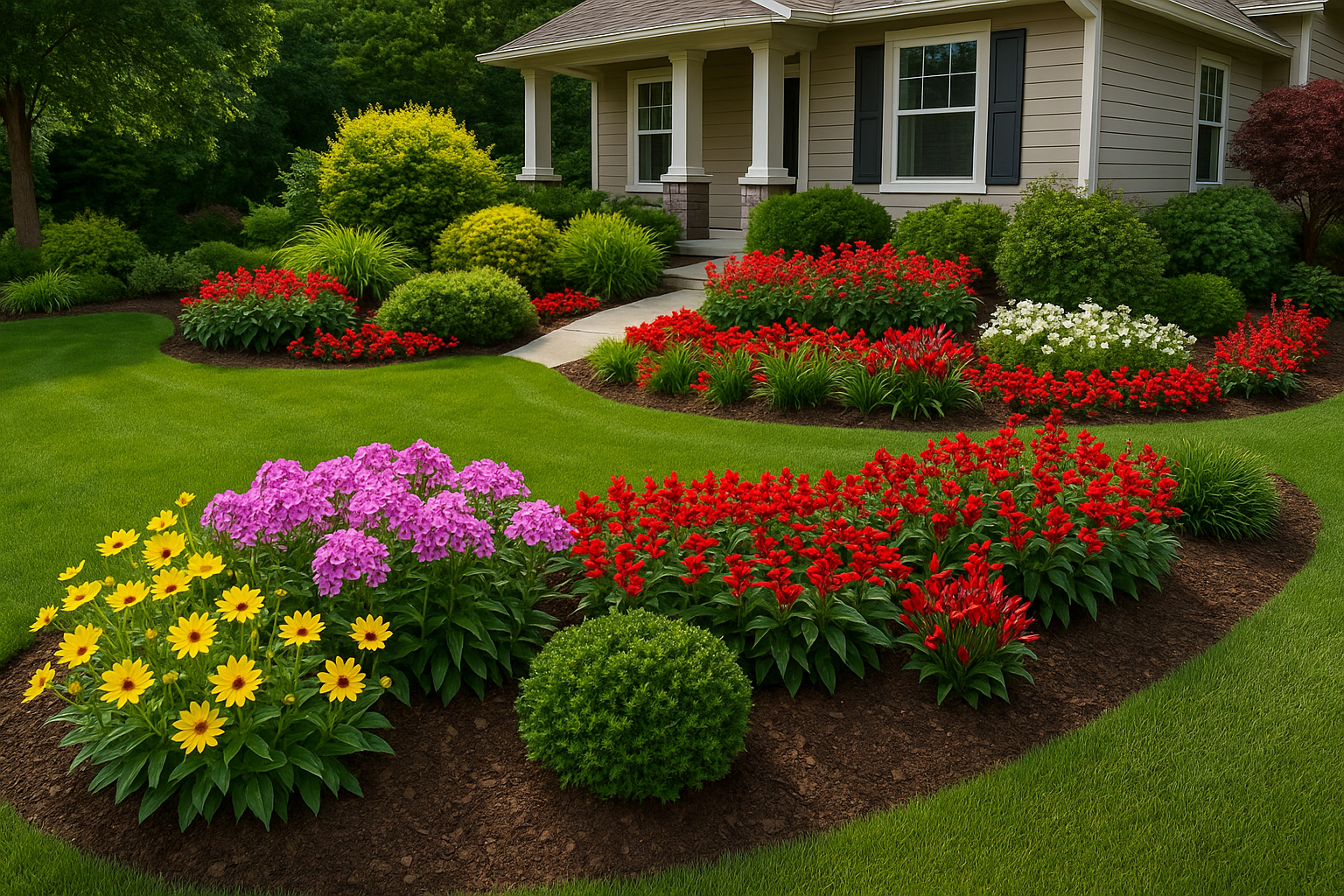
Why May Matters for Your Landscape
May is a pivotal month for landscaping. Frost risk usually subsides in many regions, soil temps warm up, and plants shift into active growth. That makes it the perfect time to tackle lawn care, plant warm-season blooms, and set up irrigation before the hottest days arrive.
Lawn Care
Mow Smart
Raise your mower deck to keep grass a little taller—this shades roots, reduces stress, and helps choke out weeds. Aim to remove no more than one-third of the blade length at a time.
Fertilize and Feed
Apply a balanced, slow-release fertilizer if you didn’t apply one in early spring. Use a soil test to determine nutrient needs and avoid overfertilizing, which can harm the lawn and local waterways.
Aerate and Overseed (If Needed)
If your soil is compacted or your lawn has thin patches, core aeration and overseeding in May encourage thicker turf. Water new seed lightly but consistently until established.
Planting and Flowers
Plant Warm-Season Annuals and Vegetables
May is prime time to plant annuals like marigolds, zinnias, and petunias, plus warm-season edibles like tomatoes, peppers, and beans. Harden off seedlings before planting by exposing them to outdoor conditions for a few hours each day over a week.
Add Perennials and Native Plants
Planting perennials and native species in May gives them a head start before summer heat. Choose pollinator-friendly varieties—coneflowers, bee balm, and milkweed—to support beneficial insects.
Bulb Care
Deadhead spent spring bulbs after blooms fade but leave foliage intact until it yellows—this allows bulbs to store energy for next season.
Pruning and Maintenance
Prune Appropriately
Trim spring-flowering shrubs after they finish blooming. For summer-blooming shrubs, prune in late winter or early spring. Remove dead or diseased wood any time you see it.
Divide Overcrowded Perennials
Divide peonies, daylilies, and other clumping perennials in May to rejuvenate growth and create new planting material for other areas of the yard.
Watering and Irrigation
Inspect Your Irrigation System
Run sprinklers and drip systems to check for leaks, clogs, or uneven coverage. Repair or adjust heads now to conserve water and protect plants.
Water Deeply and Infrequently
Water early in the morning and give lawns and beds a deep soak rather than frequent shallow watering. Deep watering promotes stronger roots and drought tolerance.
Pest and Disease Management
Scout for Problems Early
Regularly inspect plants for signs of pests and diseases. Catching issues early makes treatment easier and reduces the need for broad-spectrum pesticides.
Use Integrated Pest Management (IPM)
Combine cultural controls—proper spacing, good sanitation, and healthy soil—with targeted biological or organic treatments when necessary. Encourage beneficial insects by planting diverse flower beds.
Mulch and Soil Health
Refresh Mulch
Apply 2–3 inches of organic mulch around beds to conserve moisture, stabilize soil temperature, and suppress weeds. Keep mulch a few inches away from stems and trunks to prevent rot.
Amend and Test Soil
May is a good time to amend heavy soils with compost to improve structure and drainage. If you haven’t done it recently, a soil test can guide lime or nutrient applications.
Hardscaping and Outdoor Living
Prep Patios and Paths
Pressure-wash patios, repair pavers, and reseal wood decks before summer entertaining begins. Tighten loose screws and refinish surfaces as needed.
Plan for Shade and Comfort
Consider planting shade trees, installing pergolas, or adding shade sails. Early planning gives young trees time to establish before next summer.
Container Gardens
Refresh Containers
Replace old potting mix, check drainage, and choose heat-tolerant plants for containers that warm up quickly. Group containers for dramatic color and easier watering.
May Landscaping Checklist
- Raise mower height and check blades
- Apply slow-release fertilizer or follow soil test recommendations
- Aerate and overseed thin lawn areas
- Plant warm-season annuals, vegetables, and perennials
- Prune after spring blooms and divide crowded perennials
- Inspect and adjust irrigation; water deeply
- Refresh mulch and add compost where needed
- Scout for pests and use IPM strategies
- Prep hardscapes and container gardens for summer
Conclusion
May is the sweet spot for getting your landscape in shape. With thoughtful mowing, targeted planting, and proactive maintenance, you’ll set the stage for a healthy, low-stress yard all summer long. Start with the checklist above and tailor tasks to your climate and garden’s needs.