
Retainer Wall Height: Limits, Design Considerations, and Practical Tips
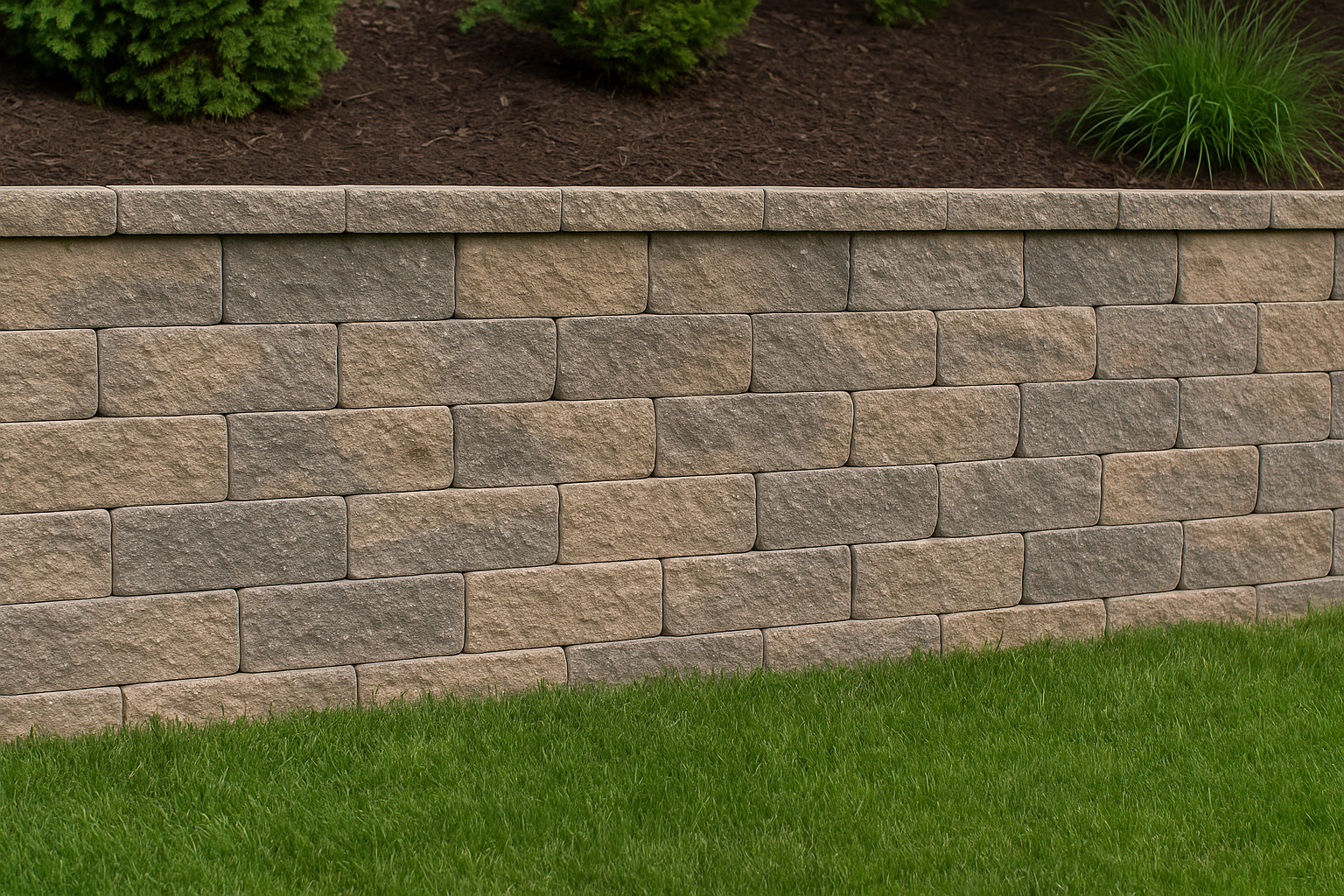
Understanding Retainer Wall Height
When planning a landscape project or stabilizing a slope, retainer wall height is one of the first questions homeowners and contractors ask. The height of a retaining wall affects safety, materials, drainage needs, and whether the structure requires engineering or permits. This guide breaks down the key limits and design considerations so you can make informed decisions for your yard or site.
Why Height Matters
The taller a retainer wall, the more lateral pressure it must resist from soil, water, and any nearby loads (like vehicles or structures). Insufficient design for height can lead to cracking, bulging, or collapse. Beyond structural concerns, height also drives cost, maintenance needs, and permit requirements.
Common Terminology
- Retainer wall / retaining wall: A structure that holds back soil to create level areas or protect slopes.
- Free height: The exposed height above grade on the low side.
- Surcharge: Additional load near the top of the wall (driveways, fencing, equipment).
Typical Height Limits: DIY vs Engineered
While exact limits vary by region and code, a practical rule of thumb is:
- Under 3 feet (about 0.9 m): Often safe for well-built gravity walls using concrete blocks, timber, or stacked stone—commonly a DIY project if drainage is handled properly.
- 3–4 feet (0.9–1.2 m): Approach with caution. Some local codes still allow DIY, but installation must include good drainage and a stable foundation.
- Over 4 feet (1.2 m): Typically requires engineered design and a licensed contractor. Taller walls may need reinforcement, footings, or geogrid.
These are general guidelines—always check local building codes and homeowner association rules.
Key Factors That Determine Maximum Height
Soil Type and Conditions
Soil strength is crucial. Cohesive soils (clays) behave differently than granular soils (sands, gravels). Poorly drained or expansive soils reduce stability and can limit safe wall height.
Drainage and Backfill
Water is the enemy of retaining walls. Proper drainage behind the wall (perforated pipe, free-draining aggregate, geotextile fabric) reduces hydrostatic pressure and significantly increases the feasible height.
Wall Material and Construction Method
Materials influence how tall you can safely build. Options include:
- Gravity walls (stone, concrete block) rely on mass—best for shorter walls.
- Cantilevered concrete walls use reinforced footings—allow taller heights with less mass.
- Segmental retaining walls (SRW) often incorporate geogrid for added height and resilience.
- Anchored walls or mechanically stabilized earth (MSE) systems can achieve very tall structures but require engineering.
Load and Surcharge
Anything near the top of the wall (cars, fences, buildings) adds pressure. Higher surcharges require stronger design and often reduce the allowable wall height without reinforcement.
Frost and Seismic Considerations
In cold climates, frost heave can destabilize footings. In seismic zones, dynamic forces may limit height unless the wall is specially designed to withstand earthquakes.
Design Strategies for Greater Height
- Terracing: Break a tall slope into multiple shorter walls—safer, often less expensive, and visually attractive.
- Geogrid reinforcement: Layers of geosynthetic materials tie the backfill to the wall face, allowing higher SRWs.
- Proper drainage: Install drainpipes, filter fabric, and clean backfill to prevent hydrostatic pressure buildup.
- Footings and reinforcement: Reinforced concrete footings and wall cores improve stability for taller structures.
Permits, Inspections, and Local Codes
Most municipalities require permits for retaining walls above a certain height (commonly 3–4 feet) or when the wall supports a surcharge. A permit typically triggers engineering review and inspections. Start with your local building department—skipping this step can result in costly removals or liability issues.
When to DIY vs Hire a Professional
Smaller, well-drained gravity walls under 3 feet can be manageable for experienced DIYers. But if your project involves:
- Heights over 4 feet,
- Weak soils or poor drainage,
- Nearby structures or heavy surcharges, or
- Seismic or frost concerns,
—you should hire a licensed engineer and an experienced contractor. A pro can evaluate site-specific factors and design a safe, code-compliant solution.
Maintenance and Lifespan
Even well-built retainer walls require maintenance. Check drainage outlets annually, remove plant roots that threaten structural joints, and repair any bulging or leaning early. Properly designed and maintained walls can last decades.
Conclusion
Retainer wall height affects everything from safety to cost. While small retaining walls can be DIY-friendly, anything above roughly 3–4 feet—or situations with poor soil, surcharge loads, or complex site conditions—should involve professional design and permitting. Prioritize drainage, use appropriate materials, and consult local codes to ensure a durable result that protects your property and peace of mind.