
Retainer Wall Blocks: Complete Guide to Types, Installation, and Care
Introduction
Retainer wall blocks are a popular, durable solution for managing soil, creating terraces, and adding structure to landscapes. Whether you’re working on a small garden bed or a large slope, understanding the types, installation basics, and maintenance needs will help you choose the right blocks and achieve a long-lasting result.
What Are Retainer Wall Blocks?
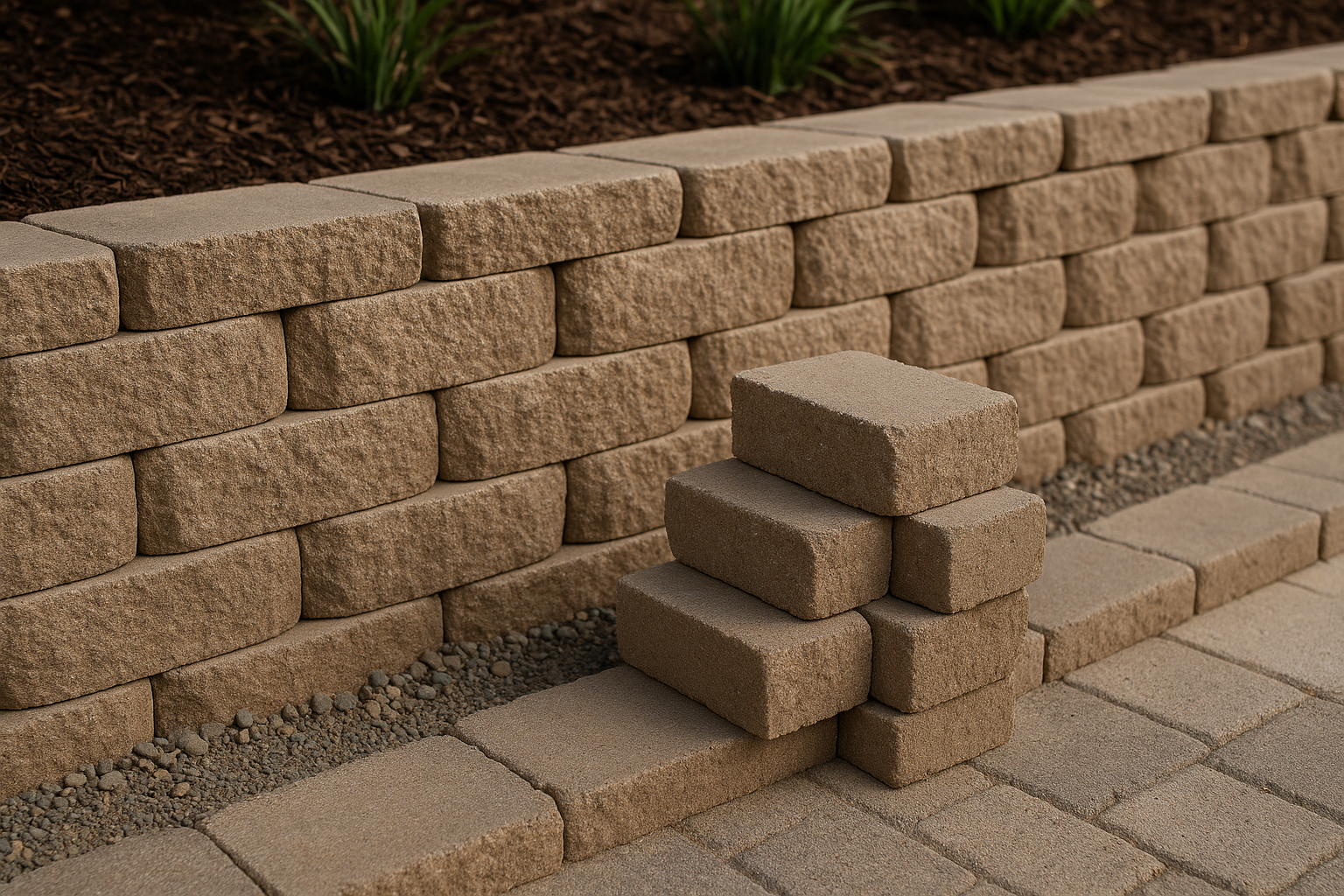
Retainer wall blocks (often called retaining wall blocks) are modular masonry units designed specifically to hold back soil and create stable vertical or terraced structures. They come in many shapes, materials, and finishes to match functional and aesthetic requirements.
Materials and Styles
- Concrete Blocks: The most common option—affordable, strong, and available in interlocking designs.
- Natural Stone: Offers a high-end, rustic look but usually costs more and can require specialized installation.
- Segmental Interlocking Blocks: Manufactured to lock together without mortar, making installation faster and more forgiving.
- Cast Stone or Veneer: Mimics natural stone while providing more consistent shapes and sizes.
Benefits
- Prevents soil erosion and stabilizes slopes.
- Creates usable flat terraces and planting areas.
- Offers long-term durability when properly designed and drained.
- Available in many colors and textures to enhance curb appeal.
Types of Retainer Wall Blocks
Choosing the right block depends on the wall height, load-bearing requirements, appearance, and budget.
Segmental Concrete Blocks
Ideal for most residential projects. They’re easy to stack, typically interlock, and often require no mortar. Geogrid reinforcement can be added for taller walls.
Large Modular Blocks
Used for heavy-duty or commercial retaining walls. These blocks are larger, heavier, and designed to handle significant loads and heights when paired with proper engineering.
Natural Stone and Veneer Blocks
Best for landscapes where aesthetics matter most. Stone can be dry-stacked for a natural look or set with mortar for added stability.
Planning and Design Considerations
Good planning prevents common failures. Here are key factors to consider before buying blocks.
Site Assessment
- Measure slope, soil type, and proximity to structures or utilities.
- Identify sight lines, drainage patterns, and plantings you want to preserve.
Drainage
Proper drainage is critical. Backfill should include gravel or crushed stone and a perforated drain pipe to direct water away from the wall. Lack of drainage is the most common cause of wall failure.
Permits and Codes
Many municipalities require permits for retaining walls above a certain height (often 3–4 feet). Check local codes, and consult an engineer for walls that will hold significant loads or exceed local height thresholds.
Basic Installation Steps
Installation complexity varies by wall type and height, but the main steps remain consistent.
Tools and Materials
- Retainer wall blocks, base gravel, crushed stone, perforated pipe, geogrid (if needed)
- Plate compactor, level, shovel, rubber mallet, wheelbarrow
Step-by-Step Overview
- Excavate a trench for the base and spread compacted crushed stone to create a stable, level footing.
- Place the first course of blocks carefully—this course determines the wall’s alignment.
- Install drainage pipe behind the base and backfill with gravel to encourage water flow away from the wall.
- Stagger blocks as you build, adding geogrid reinforcement for taller walls and backfilling with compacted gravel between courses.
- Finish with capstones for a polished appearance and to protect the top course.
Maintenance and Longevity
A well-built retainer wall block structure can last decades with minimal care.
Common Issues
- Poor drainage leading to bulging or leaning.
- Incorrect base compaction causing settling and uneven courses.
- Vegetation growth forcing joints apart—manage roots near the wall.
Routine Care
- Inspect annually for movement, cracks, or erosion.
- Keep drainage clear and repair any areas where backfill has washed out.
- Reapply joint sand or sealants on capstones if needed.
Cost Considerations and Hiring Pros
Costs vary by material, wall height, and site difficulty. Expect lower costs for DIY segmental block walls under 3 feet and higher for engineered or stone walls.
Factors Affecting Cost
- Type and finish of block
- Excavation and access complexity
- Need for geogrid reinforcement and drainage components
- Labor costs in your region
DIY vs Professional
Small garden walls can be DIY-friendly. For walls over 3–4 feet, near structures, or on steep slopes, hire a professional with experience in engineered retaining systems.
Choosing the Right Block for Your Project
Match function with form: choose interlocking concrete for efficiency, natural stone for aesthetics, and engineered modular blocks for tall or load-bearing walls. Always consider drainage, base preparation, and local code requirements when making your decision.
Conclusion
Retainer wall blocks are a versatile and long-lasting option for landscape stabilization and design. With careful planning—right material selection, proper drainage, and correct installation—you can build an attractive wall that protects your property and adds value to your outdoor space.