
Retainer Wall Blocks: Types, Benefits, and Installation Tips
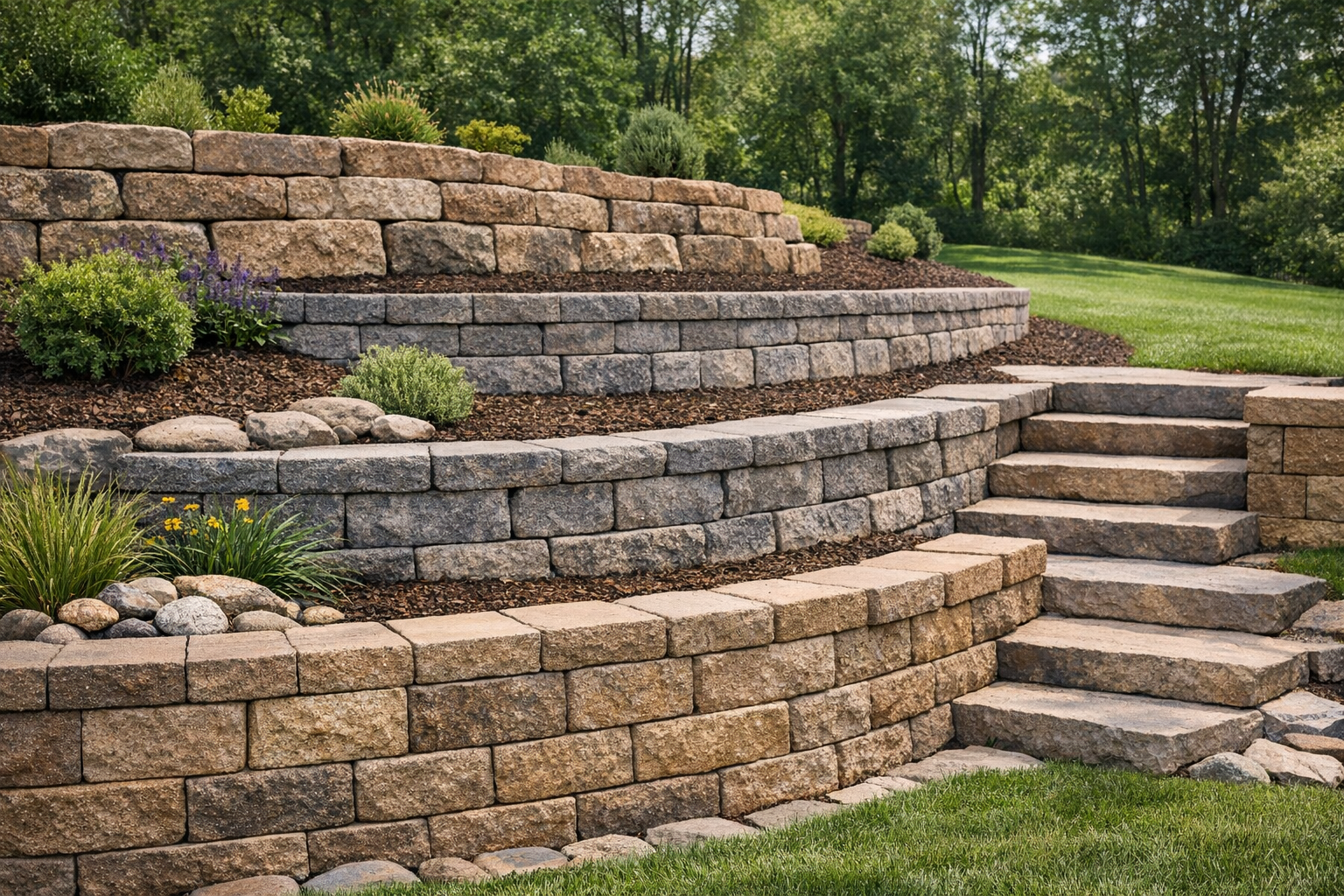
Retainer wall blocks offer a practical way to manage sloped ground, create level outdoor spaces, and add structure to a landscape. Available in a wide range of sizes, colors, and finishes, they can suit everything from a small garden border to a substantial engineered wall. Choosing the right blocks—and preparing the site properly—helps ensure your wall looks good and performs well over time.
What Are Retainer Wall Blocks?
Retainer wall blocks are manufactured units designed to hold back soil and resist the pressure it places on a wall. Many are made from concrete and shaped to fit together in courses. Some systems use lips, pins, or other connectors to help align and secure each row, while others rely on their weight and a slight backward slope, known as batter.
These blocks are often called retaining wall blocks. They are designed for landscape use and are different from standard concrete masonry blocks, which may require mortar and reinforcement. Always check the manufacturer’s instructions to confirm how a particular block system should be installed.
Benefits of Using Retainer Wall Blocks
Block walls are popular because they combine a strong, orderly appearance with flexibility in design. Many systems are made for dry stacking, so they can be installed without mortar. Individual units are also easier to handle than large poured-concrete forms, though heavy blocks may still require lifting equipment.
- Versatile design: Choose from varied colors, textures, and shapes to complement your home and landscape.
- Useful outdoor space: A wall can help form terraces, define planting beds, or create a more level area for a patio.
- Adaptable construction: Curved blocks and compatible corners make it possible to build more than a straight wall.
- Repairable sections: With many modular systems, a damaged unit can be replaced without rebuilding the entire wall.
Types of Retainer Wall Blocks
Standard concrete blocks
Concrete retaining wall blocks are a common choice for residential landscaping. Their durable construction and range of finishes make them suitable for many projects. Some products have a split-face or stone-like surface, while others have a smoother, contemporary look.
Interlocking blocks
Interlocking blocks have features that help each course stay aligned. Depending on the system, blocks may connect with a molded lip, pins, or a separate connector. This can make installation more consistent, but it does not remove the need for a stable base, correct drainage, or any reinforcement required by the design.
Natural stone and stone-look options
Natural stone can create a distinctive, irregular appearance, but its shapes and installation needs vary. Manufactured stone-look blocks offer a more uniform size while providing a natural-style finish. Compare samples outdoors if possible, since light and surrounding materials can change how a color appears.
How to Choose the Right Blocks
Begin by considering the wall’s purpose, proposed height, soil conditions, and the space available behind it. Block dimensions and weight affect both the finished look and the amount of excavation and handling involved. Check the product’s intended use and confirm that it is appropriate for your project’s height and loading conditions.
Also think about water, nearby structures, and what will sit above the wall. A driveway, building, fence, or steep slope can add pressure, called a surcharge. These conditions may call for professional design. For taller or more complex walls, local building codes may require permits or an engineer’s plans. Requirements vary by location, so check with your local authority before starting.
Key Steps for Installing Retainer Wall Blocks
1. Plan and prepare the site
Mark the wall alignment and check for buried utility lines before digging. Excavate enough space for the wall, its drainage zone, and a compacted base. The first course is especially important: it should sit level from side to side and follow the planned line.
2. Build a stable base
Most block systems need a compacted granular base, such as crushed stone, installed according to the manufacturer’s directions. A firm, even foundation helps prevent sections from settling or shifting. Avoid placing blocks on loose soil or skipping compaction.
3. Add drainage and backfill
Water trapped behind a wall can increase pressure and contribute to movement or failure. Use the drainage aggregate, pipe, filter fabric, and outlet details specified for the system and site. Backfill in manageable layers and compact carefully without disturbing the wall alignment.
4. Stack and finish the wall
Install each course as directed, staggering joints when the system calls for it. Check alignment and level as you work. Finish with compatible cap blocks if desired, then shape the surface behind the wall to direct water away rather than toward it.
Common Mistakes to Avoid
One frequent mistake is treating the blocks as the whole project. A strong wall depends on the ground preparation, drainage, backfill, and design as well as the units themselves. Other problems include choosing a system without checking its height limits, failing to account for water flow, and building too close to a property boundary without confirming local rules.
Do not assume that a short-looking wall is automatically simple. A slope, wet soil, nearby traffic, or a structure above the wall can make the conditions more demanding. Get professional advice when the site or design is outside the manufacturer’s guidance.
Maintaining a Retainer Block Wall
Inspect the wall occasionally, especially after heavy rain or freeze-thaw weather. Look for bulging, leaning, displaced blocks, unusual gaps, or water pooling near the base. Keep drainage outlets clear and avoid adding soil or heavy loads behind the wall without checking whether the design can handle them. Address small changes early and seek qualified help if movement appears significant.
Conclusion
Retainer wall blocks can create durable, attractive solutions for sloped landscapes, but good results depend on more than choosing a style. Match the block system to the site, follow installation guidance, and give drainage and base preparation careful attention. When height, soil, or nearby loads make the design complex, consult a qualified professional before building.