
Cheap Garden Arbors: Affordable Ideas for a Beautiful Outdoor Space
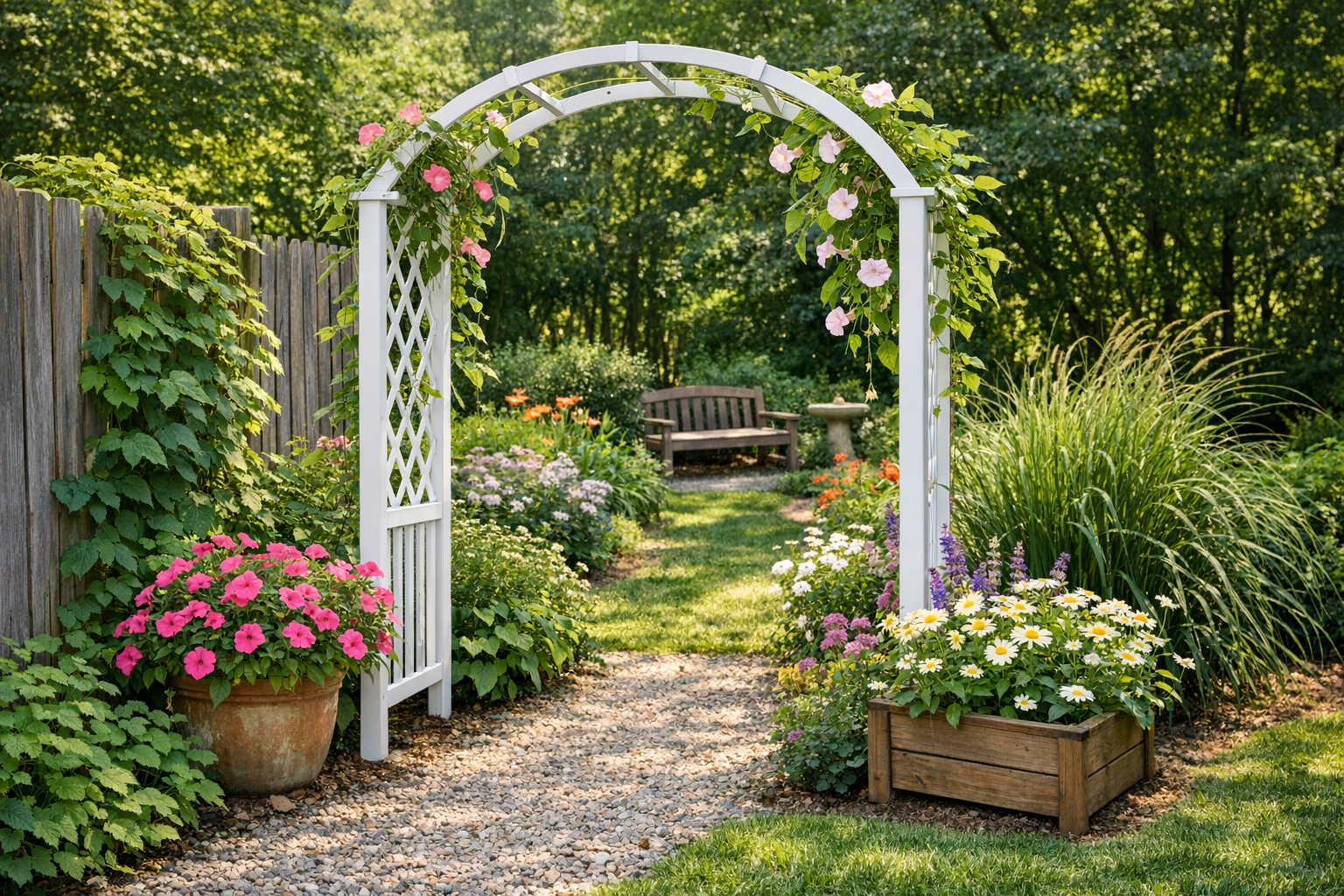
A garden arbor can make even a small outdoor space feel more inviting. It creates a focal point, frames a pathway, and gives climbing plants a place to grow—all without requiring a major landscaping budget. The good news is that cheap garden arbors come in a range of styles and materials, and a little planning can help you find one that looks lovely and lasts.
Whether you’re shopping for a ready-made structure or considering a weekend DIY project, here’s how to choose an affordable garden arbor that suits your yard.
What Makes a Garden Arbor Affordable?
Price depends on more than the arbor’s size. The material, design, assembly requirements, and included hardware all affect the final cost. A simple, open-sided arbor is usually less expensive than a large structure with a built-in bench, intricate details, or a solid roof.
Think about the full cost before buying. Delivery, tools, paint, anchoring hardware, and any preparation your garden needs can add to the initial price. A basic arbor that fits your space and is easy to maintain may be a better value than the cheapest option available.
Affordable Garden Arbor Materials
Wood arbors
Wood offers a classic look that blends naturally into many gardens. Affordable options are often made from pine or another commonly available wood. They can be painted or stained to match your outdoor space, but untreated wood may need regular protection from moisture and sun. Check whether the product is treated for outdoor use, and follow the maker’s care instructions.
Metal arbors
Metal arbors are often lightweight and feature decorative scrollwork or a simple, modern shape. They can be easy to position and are a popular choice for supporting lighter climbing plants. Before buying, look for a weather-resistant finish and check how the legs are secured. A lightweight frame may need extra anchoring in an exposed or windy garden.
Vinyl and resin arbors
Vinyl and resin models are generally low-maintenance: they don’t need painting or staining, and many can be cleaned with soap and water. Their appearance and sturdiness vary, so inspect the specifications and customer feedback closely. Choose a model designed for outdoor use, and make sure it can be anchored securely.
Where to Find Cheap Garden Arbors
Compare prices at garden centers, home improvement stores, online retailers, and local marketplaces. Seasonal sales can make new models more affordable, while local listings may turn up secondhand arbors for a fraction of their original price. If you buy used, inspect the frame for cracks, rust, missing parts, and signs of rot before arranging pickup.
It’s also worth checking whether the price includes delivery and all assembly hardware. A low-cost arbor that requires expensive shipping or replacement parts may not be the best deal. Read the product dimensions carefully so you know the structure will fit the spot you have in mind.
Consider a DIY Garden Arbor
If you’re comfortable with basic tools, building an arbor can be a budget-friendly way to get the size and style you want. A straightforward design can use outdoor-rated lumber, a few crosspieces, and appropriate fasteners. Look for a reliable plan with clear measurements, and check local requirements before building a permanent structure.
Estimate the cost of materials before you start. Include fasteners, finish, and anchoring supplies—not just the main frame. Cutting accurately and choosing sturdy, weather-suitable materials can help prevent repairs later. If you’re new to DIY, start with a simple design rather than an elaborate structure with complex joints.
How to Choose the Right Budget Arbor
Measure the space first
Measure the intended location, including the width of the path or opening beneath the arbor. Leave enough room to walk through comfortably and avoid blocking gates, garden beds, or nearby seating. Check the overall height as well, particularly if the arbor will sit under tree branches or near a fence.
Check stability and assembly
Look for clear assembly instructions, sturdy connections, and suitable anchoring options. Consider how the arbor will hold up once plants grow over it: leaves, vines, and wet foliage add weight and can catch the wind. Follow the manufacturer’s guidance for plant support, and don’t assume that a decorative frame is designed to hold heavy loads.
Balance appearance with upkeep
A low purchase price is only one part of value. Wood may require periodic sealing or painting, while metal can need attention if its finish gets scratched. Vinyl or resin may need less routine care, but it still needs proper installation and cleaning. Choose a material you’re happy to look after, not just one that fits today’s budget.
Make an Inexpensive Arbor Look Special
Climbing plants are an easy way to soften a simple frame. Depending on your climate and growing conditions, you might try clematis, climbing roses, or a suitable annual vine. Check the plant’s mature size before planting, and train its stems gently so they grow where you want them. Avoid letting vigorous growth overwhelm a lightweight arbor.
You can also add inexpensive touches such as solar lights, a small hanging planter, or a simple coat of outdoor paint. Keep decorations light and weather-appropriate. A tidy path, a few pots, and well-placed plants can make a basic arbor feel like a considered part of the garden.
Conclusion
Cheap garden arbors can add charm, height, and structure without stretching your landscaping budget. Compare materials and total costs, check stability, and choose a design that fits your space and maintenance preferences. With thoughtful placement and a few plants, an affordable arbor can become one of the most welcoming features in your garden.