
Landscape Design Cost Estimate: What to Expect and How to Budget
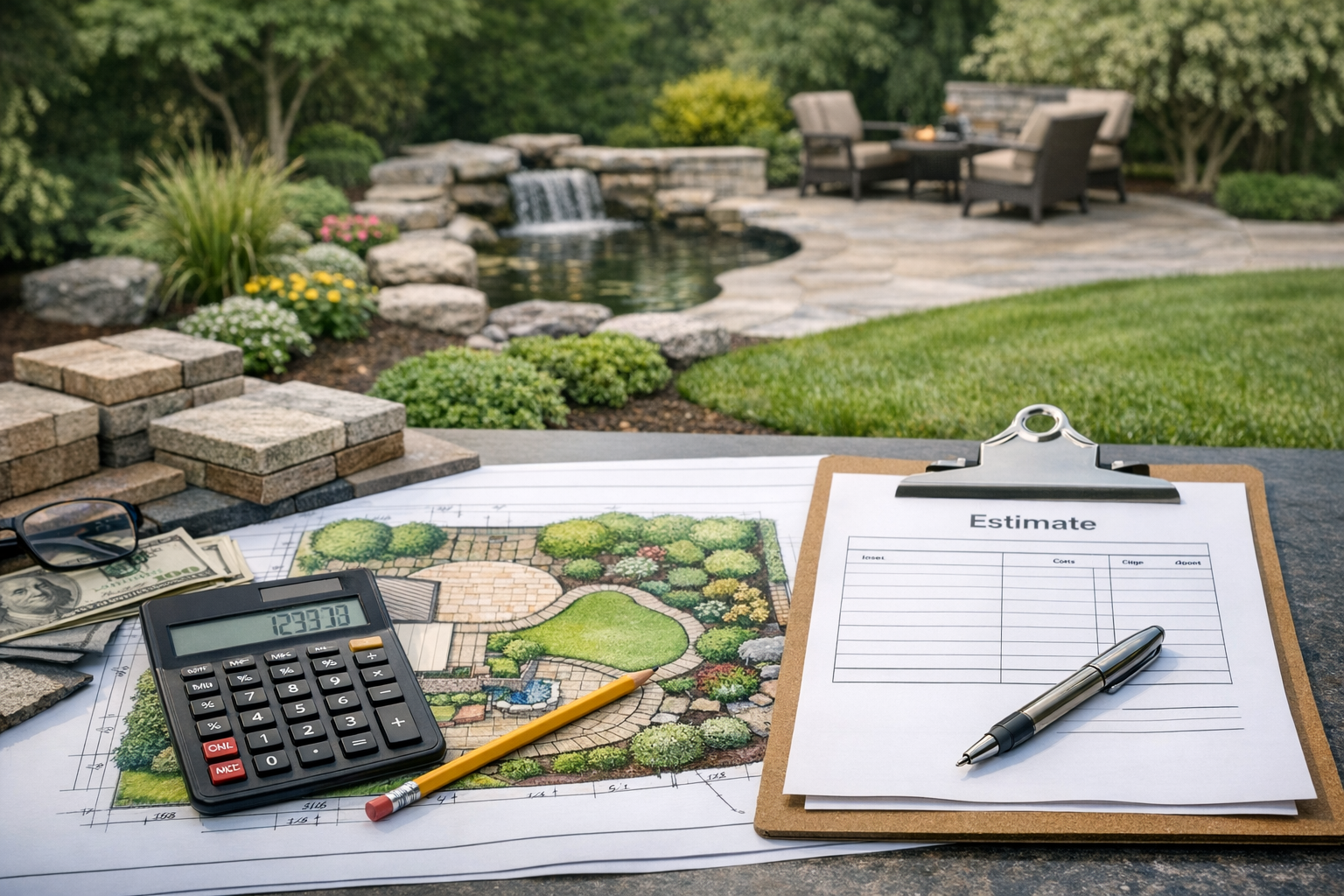
A landscape design cost estimate helps you understand what it may take to turn an outdoor space into a practical, attractive yard. The total can range from a few hundred dollars for a simple planting plan to tens of thousands for a complete landscape renovation. Knowing what is included in each estimate makes it easier to compare designers, set priorities, and avoid surprises.
Below, you’ll find typical design and installation costs, the factors that influence your budget, and an example project breakdown to help you plan.
How Much Does Landscape Design Cost?
In the United States, landscape design fees commonly fall between $500 and $5,000 for residential projects. A large or highly detailed plan may cost more, especially when it involves grading, drainage, lighting, or several outdoor living areas. These figures cover design services only; plants, materials, construction, and installation are usually separate.
Typical Landscape Design Fee Ranges
- Basic consultation or planting plan: $100–$750
- Small yard concept plan: $500–$1,500
- Detailed design for a typical home: $1,500–$5,000
- Large or complex property plan: $5,000–$15,000 or more
- Hourly design services: about $50–$150 per hour
Prices vary by location, designer experience, and the amount of detail required. Ask whether the quoted fee includes revisions, plant lists, material specifications, and construction-ready drawings.
Design Costs Versus Installation Costs
A landscape design estimate is not the same as a quote for building the design. The design fee pays for planning and documentation. Installation costs cover the physical work, such as site preparation, planting, paving, irrigation, and construction.
For a rough planning figure, a modest refresh may cost around $3,000–$10,000, while a broader renovation often ranges from $10,000–$30,000. Projects with retaining walls, patios, outdoor kitchens, major grading, or premium materials can exceed $30,000. The final amount depends heavily on the size and condition of the property and the features you choose.
What Affects a Landscape Design Estimate?
Yard size and project complexity
A larger site generally takes more time to measure and plan. However, complexity can matter as much as square footage. Multiple levels, awkward access, mature trees, and several distinct outdoor spaces may require additional drawings and coordination.
Site conditions and preparation
Slopes, drainage problems, compacted soil, and erosion can add design work and construction costs. If the plan needs grading or retaining structures, the designer may need to coordinate with contractors or other specialists. Removing old paving, overgrown plants, or damaged features can also increase the project budget.
Materials, plants, and features
A simple lawn-and-border design usually costs less to install than a plan with stonework, lighting, irrigation, water features, or a built-in seating area. Plant choices also affect the estimate: large specimen trees cost more upfront than smaller plants, while locally suited varieties may need less water and maintenance over time.
Designer services and location
Some designers provide a concept sketch, while others deliver scaled plans, planting schedules, lighting layouts, and construction details. More services typically mean a higher design fee but can reduce confusion during installation. Local labor rates, material availability, and permitting requirements also influence the overall cost.
Example Landscape Design Cost Estimate
Consider a medium-sized backyard that needs a new patio, planting beds, and a basic lighting plan. A preliminary budget might look like this:
- Design consultation and site assessment: $300–$700
- Detailed landscape plan: $1,500–$3,000
- Patio materials and installation: $4,000–$10,000
- Plants, soil, and planting labor: $1,500–$4,000
- Path or garden lighting: $800–$2,500
This puts the illustrative total at roughly $8,100–$20,200, before any unexpected site repairs or permit costs. It is not a guaranteed price: local quotes and material selections can shift the total considerably. Use a project breakdown like this to compare estimates line by line rather than focusing only on the final number.
How to Get an Accurate Estimate
Start by listing your goals, must-have features, and a comfortable spending range. Photos, measurements, and notes about sun, shade, drainage, and how you use the yard can help a designer prepare a more useful proposal.
Request written estimates from at least two qualified professionals. Confirm whether each proposal includes site visits, design revisions, planting details, and construction oversight. If installation is part of the project, ask for itemized labor and material costs, a payment schedule, and an explanation of how changes are priced.
Ways to Manage Your Landscape Budget
- Build in phases: Complete essential grading and drainage first, then add features as your budget allows.
- Set priorities: Invest in the areas you use most, such as an entry path or patio.
- Choose suitable plants: Climate-appropriate plants can reduce watering and replacement costs.
- Keep a contingency: Reserve about 10%–20% for hidden conditions or price changes.
- Compare the scope: Make sure competing estimates include similar materials, services, and project details.
Conclusion
A reliable landscape design cost estimate separates design fees from installation expenses and explains what each part of the project includes. Share your priorities, compare detailed proposals, and keep a contingency in your budget. With a clear plan, you can create an outdoor space that fits both your home and your finances.