
Retainer Walls Near Me: How to Choose the Right Wall and Contractor
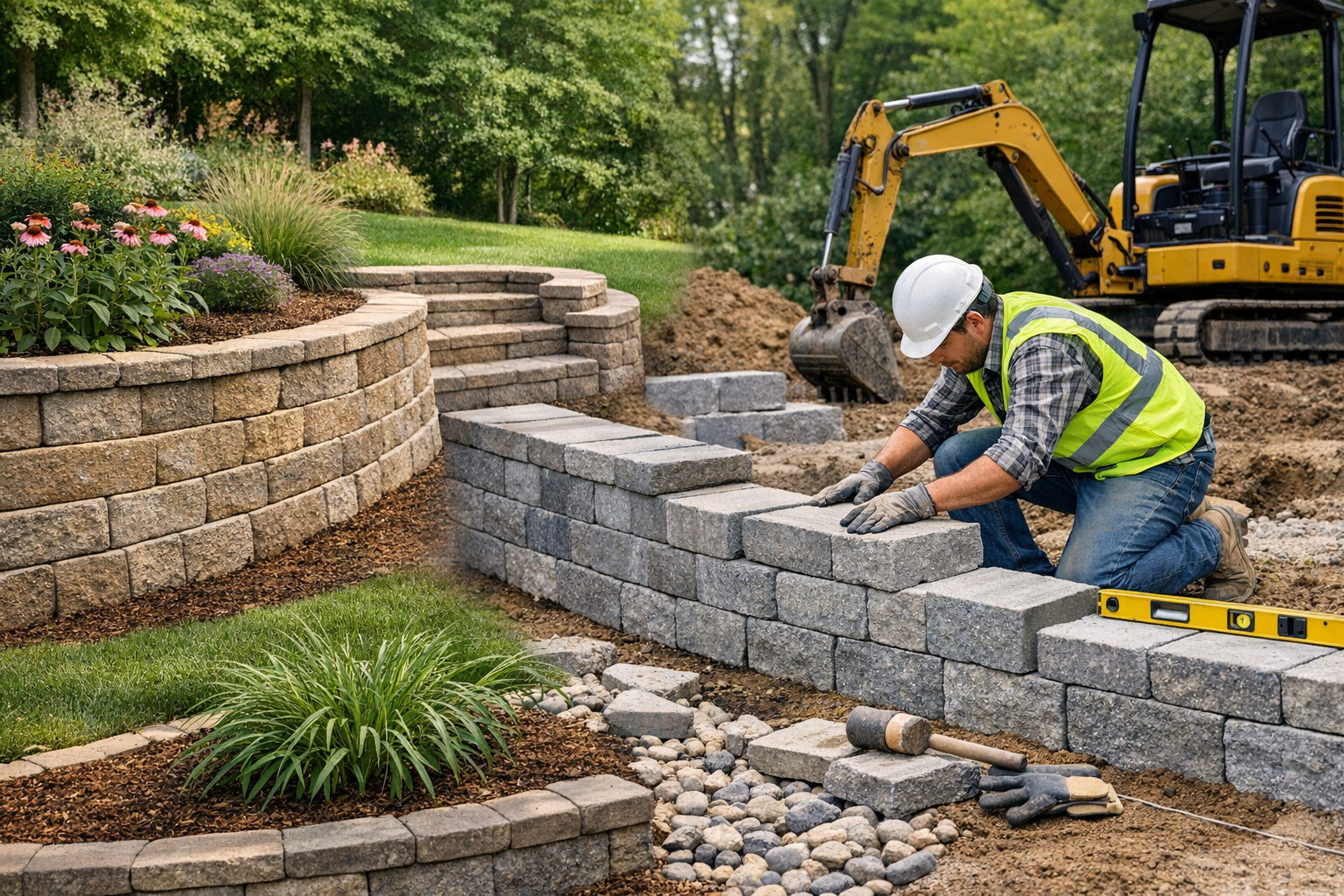
Searching for retainer walls near me usually means you need a practical solution for a sloped yard, shifting soil, or a landscape that is difficult to use. A well-designed retaining wall can help hold back soil, manage changes in elevation, and create more usable outdoor space. The key is choosing a wall that suits your property and finding an experienced local contractor to build it safely.
Here’s what to consider before planning a retaining wall project, from materials and drainage to permits and contractor estimates.
What Is a Retaining Wall?
A retaining wall is a structure that supports soil at different elevations. You might see one along a driveway, around a patio, beside a garden, or on a sloped property. While retaining walls can improve the look of a landscape, they also need to withstand pressure from soil and water behind them.
The right design depends on the wall’s height, the ground conditions, nearby structures, and how water moves across your property. A small garden border may be a straightforward landscaping project, while a tall wall or one supporting a driveway may need professional engineering.
Common Retaining Wall Materials
When comparing retaining wall options, consider appearance, durability, maintenance, and how well each material fits your site.
Concrete blocks
Segmental concrete blocks are a popular choice for residential projects. They come in different colors and textures, and their modular design can work for straight or curved layouts. Proper base preparation and drainage are essential for a lasting result.
Natural stone
Stone walls offer a traditional, natural appearance that blends well with many landscapes. They can be built from carefully stacked stone or mortar-set masonry. Installation requirements vary depending on the stone and wall height.
Poured concrete
Poured concrete can create a strong, clean-lined wall and may suit modern designs or challenging sites. It often requires more preparation and formwork than a basic garden wall, so ask contractors how they will handle reinforcement and drainage.
Timber
Timber can be a cost-conscious option for some low walls and garden projects. Since wood can deteriorate over time, ask about the product’s treatment, expected service life, and maintenance needs before choosing it.
How to Find Retainer Walls Near Me
Local contractors can assess site conditions that are hard to judge from photos alone, including soil type, slope, access, and drainage patterns. Start by searching for retaining wall builders or landscape contractors in your area. Review recent projects, customer feedback, and examples of work similar to yours.
Ask whether the contractor has experience with your preferred material and with walls of comparable height. A dependable professional should be willing to explain the proposed design, provide a written estimate, and clarify what is and isn’t included. Depending on your location and project, you may also need to confirm licensing, insurance, warranties, and local permit requirements.
What Affects Retaining Wall Cost?
There isn’t one standard price for a retaining wall. The total cost can depend on the wall’s length and height, materials, excavation, site access, soil conditions, and the amount of drainage or reinforcement required. Removing an old wall, moving utility lines, or working around trees and structures can add complexity.
Get written estimates from more than one qualified contractor when possible. Compare the scope of work, not just the final number. Check whether each estimate includes site preparation, materials, drainage, cleanup, and any engineering or permit-related work. A quote that leaves out important details may not reflect the full project cost.
Why Drainage Matters
Water buildup behind a retaining wall can increase pressure and contribute to cracking, movement, or failure. A sound design considers where rainwater and groundwater will go, rather than simply trapping moisture behind the structure.
Depending on the site, drainage may include gravel behind the wall, a perforated drainpipe, or outlets that direct water safely away. Surface grading also matters: water should not be directed toward the wall or a neighboring property. Ask your contractor to explain the drainage plan and how it connects to the rest of your landscape.
Questions to Ask Before Hiring a Contractor
- Have you built walls like this in my area?
- What materials and construction method do you recommend for my site?
- How will you manage drainage and prepare the base?
- Will this project require permits or an engineer?
- What is included in the estimate, and what could change the price?
- What is the expected timeline, and what warranty do you provide?
Clear answers can help you compare contractors and avoid surprises after work begins. Be cautious of bids that are unusually low, vague about drainage, or based on a quick estimate without a proper site review.
Plan a Retaining Wall That Works for Your Property
A retaining wall should do more than look good on installation day. The right materials, a suitable design, and careful attention to drainage can help it perform well for years. Before hiring someone, consider the wall’s purpose, gather a few detailed estimates, and check local rules that may apply.
Conclusion
If you’re looking for retainer walls near me, focus on finding a local professional who understands your site and explains the construction plan clearly. A little research upfront can help you choose a wall that is attractive, practical, and built to handle the conditions on your property.