
Irrigation System Costs: What Homeowners Can Expect to Pay
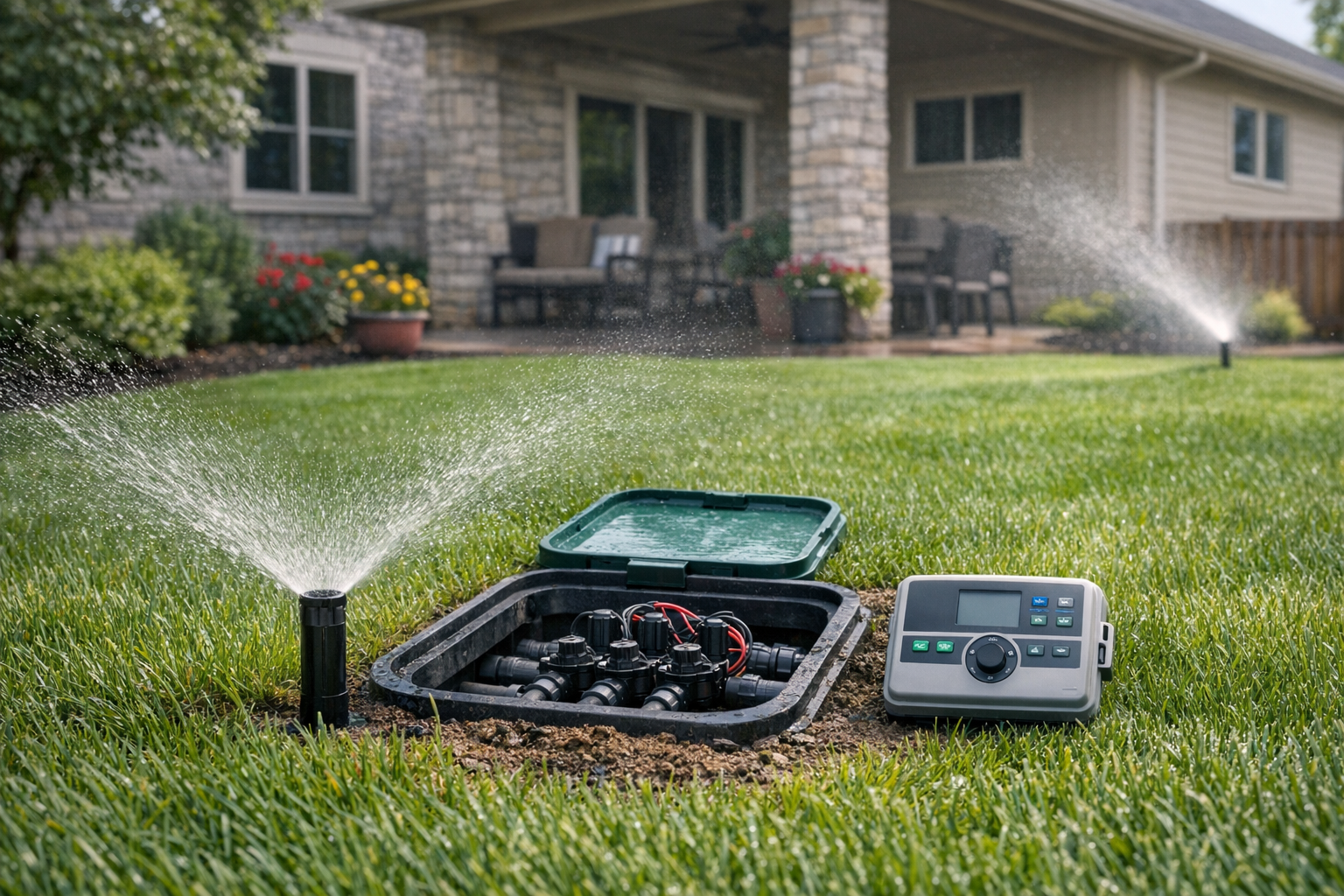
Installing an irrigation system can make watering your lawn and garden more convenient, but the price can vary widely. The size and layout of your property, the type of system you choose, and local labor rates all affect the final bill. Understanding the main cost factors can help you set a realistic budget and compare quotes with confidence.
How Much Does an Irrigation System Cost?
For a typical professionally installed residential system, homeowners can expect to pay roughly $2,000 to $4,000. Smaller or simpler projects may cost around $1,000, while large properties or complex installations can exceed $6,000. These figures are general estimates; regional pricing, site conditions, and equipment choices can all shift the total.
Contractors often estimate sprinkler installation by the area being watered. A rough range is $0.50 to $1.50 per square foot, though pricing per zone or by the project is also common. Ask what the estimate includes, since excavation, controller setup, permits, and restoration of disturbed landscaping may be priced separately.
Average Irrigation System Costs by Type
The best system depends on what you are watering. A lawn, vegetable garden, and collection of shrubs have different needs, so the lowest upfront price is not always the best fit.
| System type | Typical installed cost | Best for |
|---|---|---|
| In-ground sprinkler system | $2,000–$4,000 for many homes | Lawns and broad landscape areas |
| Drip irrigation | $300–$1,500 for many garden setups | Garden beds, shrubs, and containers |
| Soaker hose system | $50–$300 | Small beds and simple DIY watering |
| Above-ground sprinklers | $20–$200 | Temporary or very small lawn coverage |
These ranges are approximate and may not include upgrades to the water supply or extensive landscaping work. A mixed system can also make sense—for example, sprinklers for the lawn and drip lines for planting beds.
Factors That Affect Irrigation Installation Costs
Property size and number of zones
Larger properties generally need more pipe, sprinkler heads, and labor. They may also require multiple watering zones. A zone is a group of sprinklers or drip lines controlled together. Dividing a system into zones helps account for different plant types, sun exposure, slopes, and water pressure, but each additional zone can add equipment and installation time.
Soil, slope, and landscaping
Easy-to-dig soil and a straightforward yard usually keep labor costs down. Rocky or compacted ground can take longer to trench. Slopes may need special heads or pressure regulation to distribute water evenly. Installing around mature trees, patios, fences, or existing utilities can also make the project more complicated.
Water source and pressure
Your existing water supply may be able to support the system—or it may need adjustments. Low pressure can require a redesign, while an additional meter, backflow preventer, or plumbing work can increase costs. Some areas require a backflow prevention device to help protect the household water supply. Ask your contractor whether testing, permits, and required safety equipment are included.
Controllers and water-saving features
A basic timer is usually less expensive than a smart controller that connects to Wi-Fi and adjusts watering schedules. Rain sensors, soil moisture sensors, and weather-based controls add to the initial price, but they can help avoid watering during rain or when soil is already moist. The potential savings depend on your climate, water rates, and how the system is used.
DIY vs. Professional Installation
DIY irrigation can cost a few hundred dollars for a modest garden or above-ground setup. It can be a practical option if you have a simple layout and are comfortable planning pipe runs, choosing compatible parts, and checking water pressure. However, an in-ground sprinkler system involves trenching, careful zone design, and connections that must be installed correctly.
Professional installation costs more upfront, but it typically includes planning, installation, and system testing. A qualified installer can check coverage, reduce overspray, and spot pressure or drainage problems. Get at least two or three written quotes and compare the equipment, number of zones, warranty, and cleanup—not just the total price.
Ongoing Maintenance and Operating Costs
Budget for seasonal maintenance as well as installation. A professional system check may cost around $75 to $200, depending on the number of zones and local rates. Winterization in cold climates can add roughly $50 to $150 per visit. Repairs vary: replacing a sprinkler head may be relatively inexpensive, while fixing a buried leak or valve can cost considerably more.
Water use is another ongoing expense. A well-designed system with appropriate schedules and efficient heads can limit waste, but irrigation may still increase your utility bill during dry months. Adjust the schedule by season, inspect for leaks, and avoid watering during the hottest part of the day when practical. Follow local watering restrictions, too.
How to Get the Best Value
- Choose equipment based on the plants and areas you need to water.
- Request an itemized estimate that lists zones, parts, labor, and additional fees.
- Check whether permits, backflow devices, and landscape repairs are included.
- Consider drip irrigation for beds instead of using lawn sprinklers everywhere.
- Ask about warranties, service options, and the cost of future repairs.
Conclusion
Most homeowners spend a few thousand dollars on a professionally installed irrigation system, but the right budget depends on property size, system type, and site conditions. Compare detailed quotes, plan for maintenance, and choose a design that waters each area efficiently. A well-matched system can save time while helping you use water more thoughtfully.