
Smart Irrigation Controllers: A Practical Guide to Smarter Watering
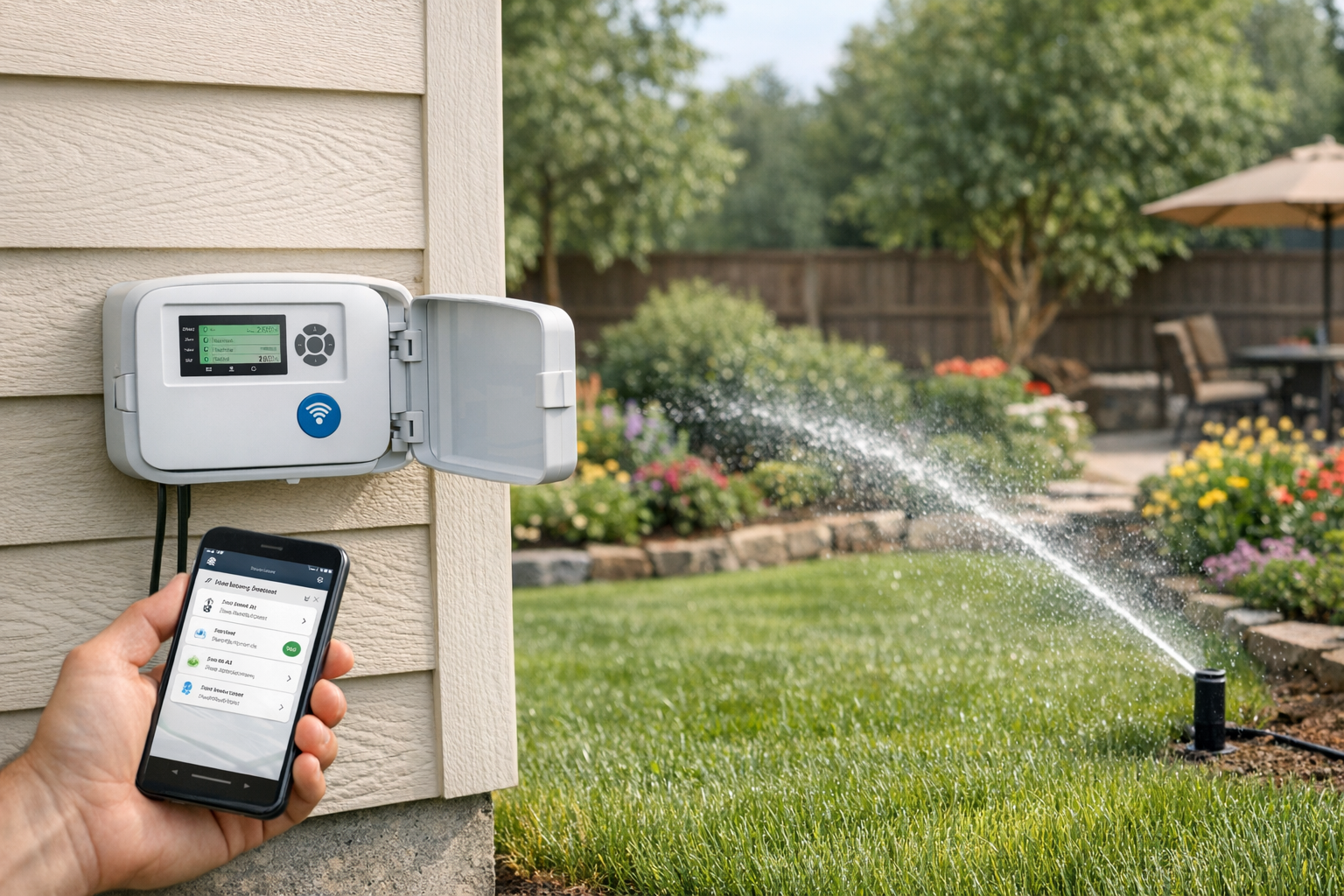
Keeping a lawn and garden healthy takes more than setting a sprinkler timer and hoping for the best. Weather changes, soil dries at different rates, and plants have different watering needs. Smart irrigation controllers help manage these variables by adjusting watering schedules based on local conditions, helping you use water more efficiently without sacrificing plant health.
Whether you are replacing an older timer or planning a new irrigation system, understanding how these controllers work can help you decide if one is right for your home.
What Is a Smart Irrigation Controller?
A smart irrigation controller is a device that automates the watering zones connected to your sprinkler system. Unlike a basic timer, which runs according to a fixed schedule, a smart controller can use information such as local weather, soil moisture, plant type, and seasonal changes to determine when and how long to water.
Many models connect to your home Wi-Fi and can be managed through a smartphone app. You can review schedules, pause watering, or make adjustments while away from home. Some controllers also work with voice assistants or smart home platforms, though features vary by brand.
How Smart Irrigation Controllers Work
Most smart controllers follow a schedule you create and then adjust it using information from one or more sources. Internet-connected models often use local weather data, including rainfall, temperature, and forecast conditions. If rain is expected or temperatures are unusually cool, the controller may shorten or skip a watering cycle.
Weather-Based Controllers
Weather-based controllers use local climate data to estimate how much water the landscape needs. They can account for factors such as sunlight, wind, humidity, and recent rainfall. Some systems rely on online weather services, while others connect to an on-site weather sensor.
Soil-Moisture-Based Controllers
Soil-moisture systems use sensors placed in the ground to measure how much moisture is available near plant roots. When the soil is moist enough, watering can be delayed. This approach can be useful where conditions vary across the yard, although sensors need correct placement and occasional maintenance.
Zone-by-Zone Scheduling
Most irrigation systems are divided into zones, such as lawns, garden beds, or shaded areas. A smart controller lets you set different schedules for each zone. That matters because a sunny lawn may dry out faster than a shaded planting bed, and a vegetable garden may need a different routine than established shrubs.
Benefits of a Smart Irrigation System
- More efficient water use: Weather adjustments and zone-specific schedules can reduce unnecessary watering.
- Healthier plants: Watering that better matches local conditions can help avoid both dry soil and overwatering.
- Convenient control: Apps make it easier to update schedules, check system status, and pause watering remotely.
- Less guesswork: Seasonal adjustments happen automatically on many models, instead of relying on a schedule set once and forgotten.
- Potential savings: Using less water may lower utility bills, especially in areas with high rates or seasonal restrictions.
Results depend on your landscape, local climate, system setup, and watering habits. A smart controller can help make better decisions, but it cannot fix broken sprinkler heads or poorly aimed spray.
Choosing the Right Smart Irrigation Controller
Before buying a controller, check that it works with your existing irrigation system. Count the zones you use and choose a model that supports enough stations, with room to expand if needed. Also confirm whether the unit is designed for indoor or outdoor installation and whether it can connect reliably to your home Wi-Fi.
Features Worth Comparing
- Weather data or sensors: Decide whether you prefer online weather adjustments, a physical sensor, or soil-moisture monitoring.
- App quality: Look for clear scheduling tools, useful alerts, and straightforward manual controls.
- Compatibility: Check support for your valves, wiring, rain sensors, and preferred smart home services.
- Watering restrictions: Make sure schedules can follow local watering days and time limits.
- Support and updates: Review the manufacturer’s warranty, customer support, and software update policy.
Some water utilities offer rebates for eligible smart controllers. Check with your provider before purchasing, since requirements and approved products can differ.
Installation and Setup Tips
Many homeowners can replace a basic controller themselves, but the process depends on the existing wiring and location. Take a photo of the old wiring before disconnecting anything, label each zone wire, and follow the product instructions. Turn off power before working on the controller. If wiring is unfamiliar or the system has a complicated layout, consider hiring an irrigation professional.
During setup, enter accurate information for each zone. Note the plant types, sun exposure, soil conditions, sprinkler type, and slope. A controller can only make useful adjustments when its schedule and landscape details are reasonably accurate.
Review the Schedule After Installation
Smart does not mean set it once and never check it. Run each zone and look for leaks, blocked heads, or overspray onto paths and driveways. Review watering frequency as seasons change, and confirm the controller responds correctly after rainfall. Deep, appropriately timed watering is often preferable to frequent short cycles, but the best schedule depends on soil, plants, and local guidance.
Are Smart Irrigation Controllers Worth It?
A smart controller can be a worthwhile upgrade if you have an automatic sprinkler system, want easier control, or often forget to adjust watering for changing weather. It may be less useful for a small garden watered by hand or a simple setup that already meets your needs. Consider the purchase price, installation costs, potential rebates, and likely water savings before deciding.
Conclusion
Smart irrigation controllers make it easier to adapt watering to weather, soil, and the different needs of each part of your yard. Choose a compatible model, set up each zone carefully, and check the system throughout the year. With thoughtful setup and basic maintenance, a smart controller can support healthier plants and more responsible water use.