
Backyard Irrigation Solutions: Smart, Efficient Ways to Keep Your Lawn and Garden Thriving
Introduction to Backyard Irrigation
Healthy lawns and vibrant gardens start with the right watering plan. Backyard irrigation solutions range from simple manual methods to fully automated smart systems. This guide walks through the most practical options, how to plan and install them, and tips to conserve water while keeping your landscape looking its best.
Types of Backyard Irrigation Systems
Sprinkler Systems
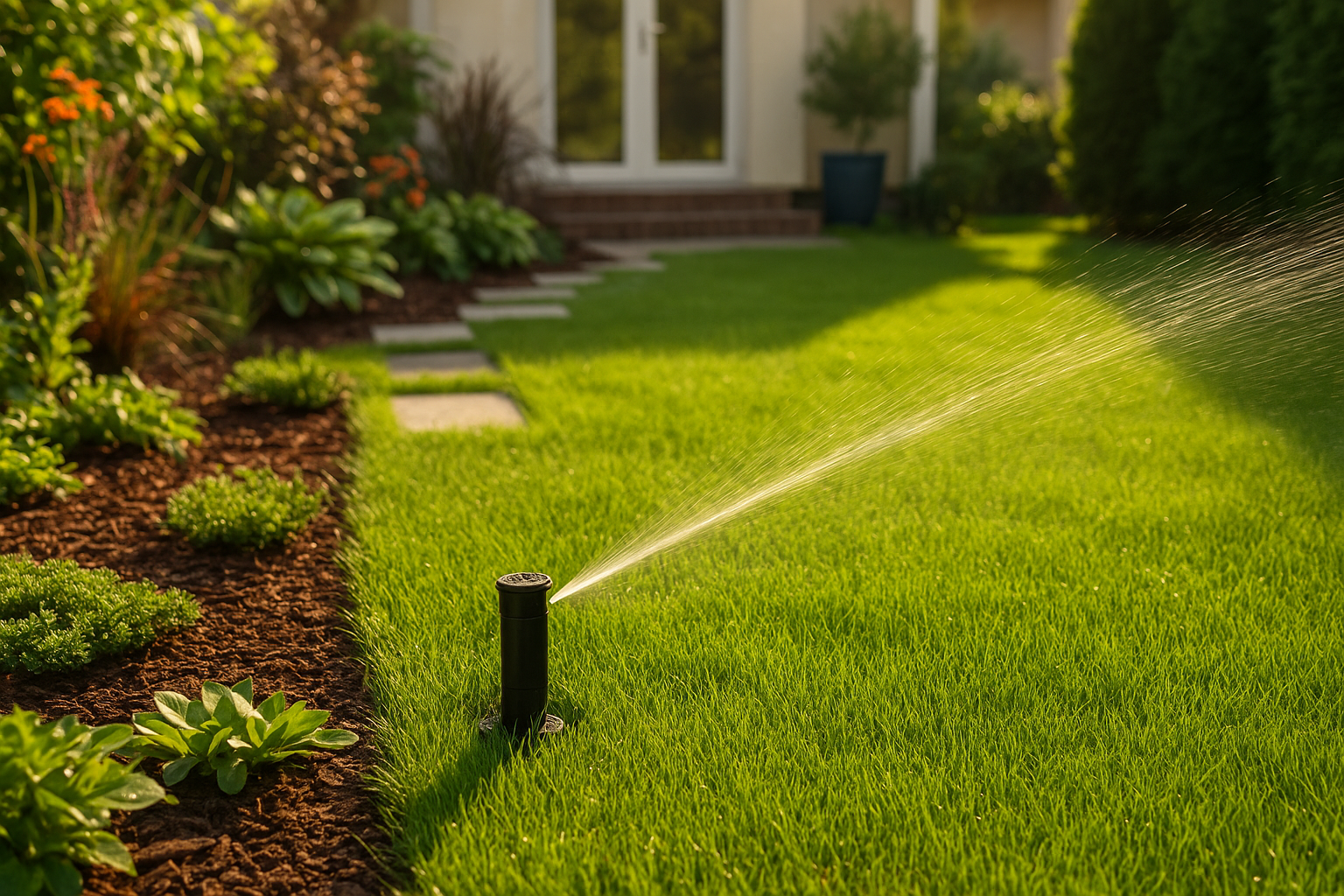
Sprinklers are a common choice for lawns and larger garden areas. They deliver water over a wide area and are available in fixed, rotary, and pop-up styles. Sprinklers are ideal for turf but can be less efficient for beds or plants that prefer slow, deep watering.
Drip Irrigation
Drip systems provide slow, targeted water directly to plant roots. They are highly efficient, reduce evaporation, and work well for flower beds, vegetable gardens, shrubs, and trees. Drip tubing, emitters, and micro-sprays give precise control over flow rates and coverage.
Soaker Hoses
Soaker hoses are porous hoses that allow water to seep out along their length. They’re simple to install and are a budget-friendly option for beds and borders. While not as precise as drip systems, they’re effective for evenly moistening soil.
Smart Irrigation Controllers
Smart controllers adjust watering schedules automatically based on local weather, soil moisture, and plant needs. When paired with sensors or flow meters, they can significantly reduce water waste and prevent overwatering.
Planning Your Backyard Irrigation
Map Your Yard by Zones
Divide your yard into zones based on plant type, sun exposure, slope, and water needs. Turf, shrubs, flower beds, and vegetable areas should typically be on separate zones to allow tailored schedules.
Assess Water Pressure and Flow
Check your household water pressure and available gallons per minute (GPM) before selecting sprinklers or combining zones. Low pressure may require fewer heads per zone or specialized low-flow components.
Choose the Right Equipment
Match sprinkler heads, emitter flow rates, and tubing sizes to the needs of each zone. For DIY installations, purchase quality fittings and a pressure regulator if using drip components to prevent damage.
Installation Tips
- Start with a plan: Sketch your yard, mark zones, and list components before digging.
- Dig carefully: Call local utilities before you dig. Use a trenching shovel for clean lines and proper depth.
- Use proper backflow prevention: Protect your water supply with the appropriate backflow device as required by local codes.
- Test as you go: Run each zone during installation to check coverage and detect leaks early.
Maintenance and Seasonal Care
Regular Checks
Inspect heads and emitters monthly for clogs, misalignment, or damage. Clean filters and flush lines in drip systems to maintain flow.
Adjust for Seasons
Change schedules seasonally—less in cool months and more during peak summer. Smart controllers can automate these adjustments for you.
Winterization
In freezing climates, drain or blow out irrigation lines to prevent cracks and leaks. For drip systems, remove and store sensitive components during the coldest months.
Water Conservation Strategies
- Water early: Watering before sunrise reduces evaporation and fungal disease risk.
- Use mulch: Mulch around plants to retain moisture and reduce runoff.
- Install rain sensors: Prevent automatic systems from running during rain events.
- Group plants by water needs: Hydrozone planting makes irrigation more efficient.
Troubleshooting Common Problems
Poor Coverage
Adjust or replace misaligned sprinkler heads. Consider converting small or oddly shaped areas to drip or micro-spray for better coverage.
Leaks and Low Pressure
Inspect for cracked pipes, loose fittings, or clogged filters. Leaks often appear at joints or where the tubing is pinched.
Uneven Growth
Uneven plant growth usually signals inconsistent watering. Check emitters and heads, and ensure zones are scheduled correctly for plant needs.
Budgeting: DIY vs Professional Installation
DIY installations save money but require time, planning, and basic plumbing skills. Professionals offer design expertise, proper zoning, and code-compliant backflow devices. For complex properties or if local regulations are strict, investing in a pro can pay off in efficiency and reliability.
Conclusion
Choosing the right backyard irrigation solution depends on your landscape, budget, and willingness to maintain the system. With thoughtful planning—zoning, proper components, and water-saving practices—you can create an efficient system that keeps plants healthy while conserving water and reducing long‑term costs.