
Custom Landscaping Irrigation: Smart Design for Healthy, Water-Wise Landscapes
Introduction: Why Custom Landscaping Irrigation Matters
Every landscape is unique: soil type, sun exposure, plant palette, and property shape all vary. A one-size-fits-all irrigation setup rarely gives consistent results. Custom landscaping irrigation tailors water delivery to the needs of plants and the constraints of the site, saving water, reducing maintenance, and producing healthier, more attractive landscapes.
Benefits of a Custom Irrigation System
Installing a custom irrigation system brings several tangible benefits:
- Water efficiency: Delivering the right amount of water to each zone reduces waste and lowers utility bills.
- Improved plant health: Proper scheduling and delivery reduce stress, disease, and runoff.
- Curb appeal and property value: A lush, well-maintained landscape is more inviting and valuable.
- Time savings: Automated systems free you from manual watering chores.
Key Components of Custom Irrigation
Controllers and Smart Scheduling
Modern controllers range from simple timers to smart Wi‑Fi units that adjust schedules based on weather, soil moisture, and plant needs. Smart controllers can cut water use significantly by skipping cycles when rain is expected or when temperatures are cool.
Emitters: Sprays, Rotors, and Drip
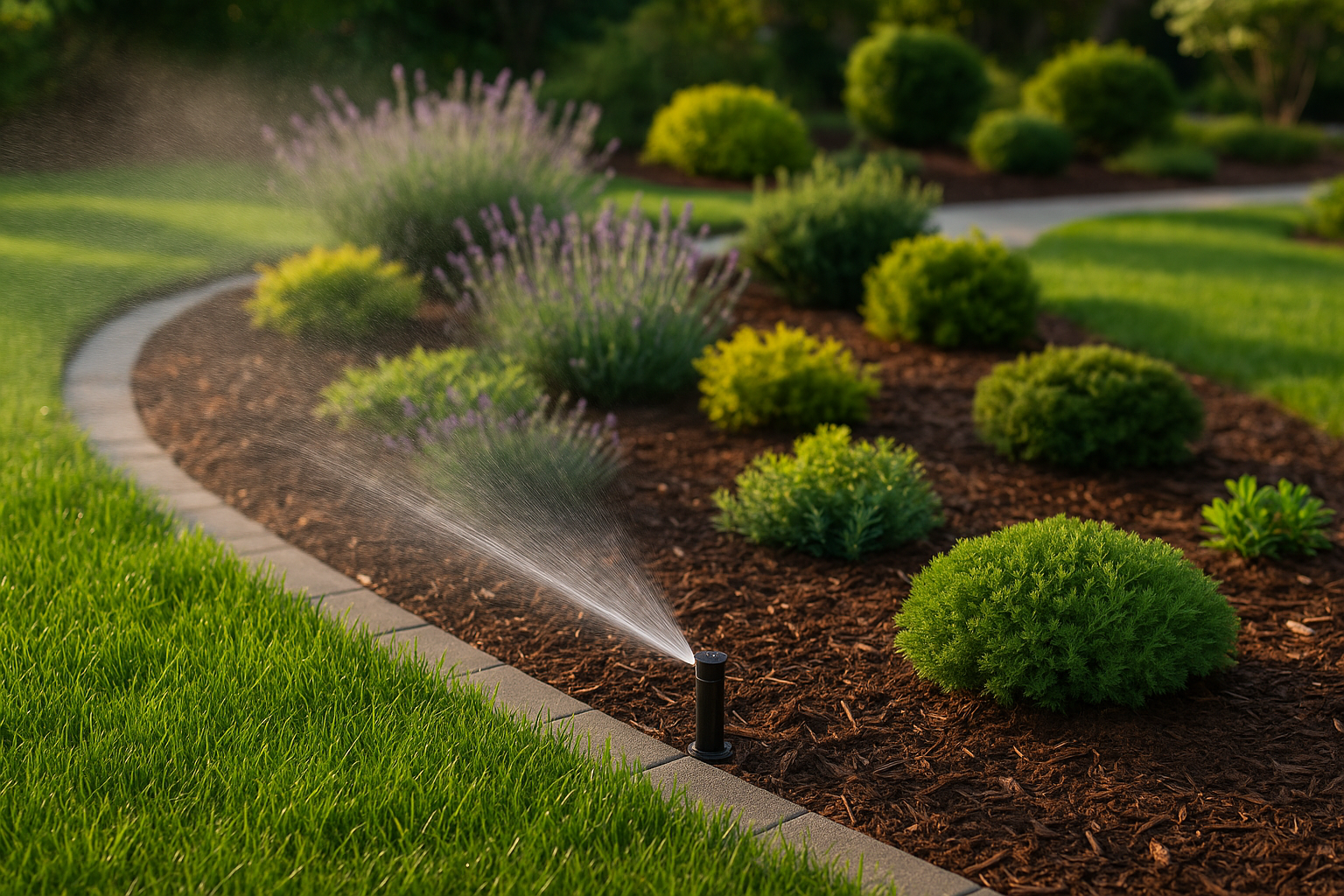
Different areas require different emitters. High-precision drip or micro-spray systems work best for garden beds and shrubs, while rotors or spray heads are suited to lawns and larger open areas. Matching the emitter to plant type and root zone depth is crucial for efficiency.
Valves, Sensors, and Backflow Protection
Zone valves control which parts of the landscape receive water, while sensors (rain, freeze, soil moisture) prevent unnecessary watering. Backflow preventers protect your water supply and are required by many municipalities.
The Design Process: How a Custom System Is Planned
A careful design process ensures the system performs well from day one:
- Site assessment: A technician inspects slopes, soil type, sun exposure, irrigation needs of plants, and existing utilities.
- Hydraulic calculation: Evaluating water pressure and flow to size pipes, valves, and emitters correctly.
- Zoning: Grouping plants with similar water needs into the same irrigation zones to prevent over- or under-watering.
- Layout and documentation: A detailed plan shows head locations, line sizes, and controller programming recommendations.
Water Efficiency and Sustainable Practices
Custom systems can be designed with sustainability in mind. Practical strategies include:
- Drip irrigation: Reduces evaporation and delivers water directly to roots, ideal for beds and containers.
- Smart controllers and soil moisture sensors: Base watering on real data rather than a fixed schedule.
- Mulch and plant selection: Using mulch and drought-tolerant plants reduces irrigation needs.
- Rainwater harvesting: Integrating cisterns or rain barrels to supplement irrigation where legal and feasible.
Maintenance and Troubleshooting
Even the best irrigation system needs periodic attention. A seasonal checklist helps keep systems running smoothly:
- Inspect and clean sprinkler heads and filters.
- Check for leaks, broken lines, or uneven spray patterns.
- Test and recalibrate the controller seasonally, especially after major weather changes.
- Winterize systems in cold climates to prevent freeze damage.
Common problems include low pressure, clogged drippers, overspray onto hardscapes, and misaligned heads. Many of these are simple to fix, but persistent issues may signal a need to revisit system design.
DIY vs. Hiring a Professional
For small projects—like a single garden bed—DIY drip kits can work well. However, for whole-yard systems or complex sites, hiring a professional pays off. Certified irrigation designers factor in local codes, perform hydraulic calculations, and provide warranty-backed installation. Ask for references, proof of licensing, and a clear plan before hiring.
Cost Considerations
Costs vary widely based on property size, system complexity, and component quality. Expect higher upfront costs for smart controllers, premium emitters, and professionally installed drip lines, but remember these investments often pay back through reduced water bills and healthier plants. Request multiple quotes and compare not just price but included services like mapping, programming, and follow-up adjustments.
Conclusion
Custom landscaping irrigation aligns water delivery with plant needs and site conditions, producing healthier plants, lower water use, and less maintenance. Whether upgrading an existing system or starting fresh, thoughtful design and periodic maintenance will keep your landscape vibrant and water-wise year after year.