
Professional Landscape Installation: Transforming Your Yard into a Lasting Outdoor Living Space
What Is Professional Landscape Installation?
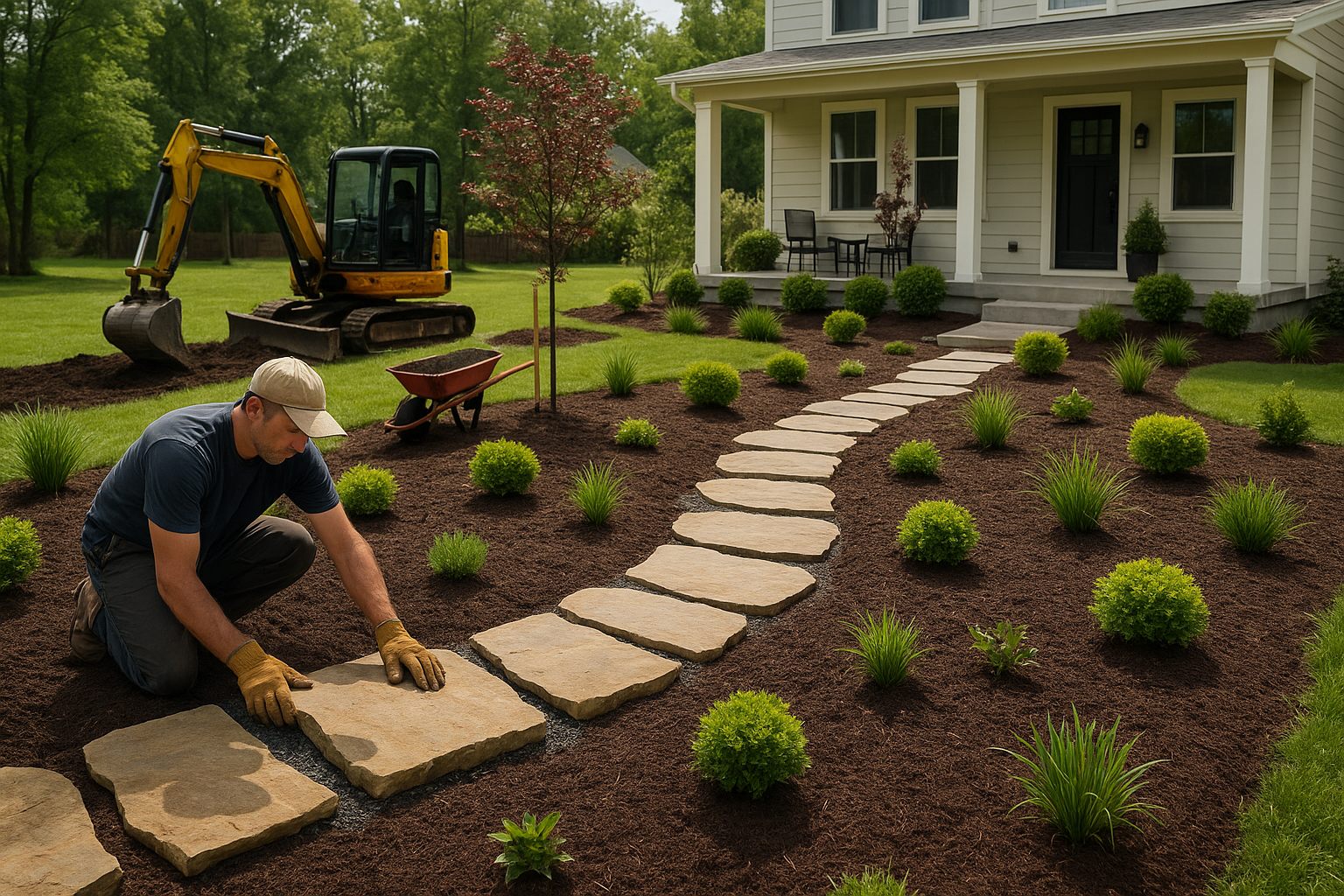
Professional landscape installation is the comprehensive process of turning a yard or outdoor area into an intentional, functional, and beautiful environment. Unlike piecemeal gardening, professional installation combines design, site preparation, hardscaping (paths, patios, walls), softscaping (plants, turf, beds), irrigation, and lighting to create cohesive outdoor spaces that last.
Why Hire a Professional?
Many homeowners consider DIY landscaping to save money, but hiring a professional can save time, prevent costly mistakes, and produce a higher-quality result. Professionals bring expertise in plant selection, drainage, grading, and local codes—plus access to specialized equipment and trade relationships that streamline the job.
Key Benefits
- Improved curb appeal and market value
- Better long-term plant health and sustainability
- Professional grading and drainage to avoid future problems
- Customized outdoor living areas that reflect your lifestyle
The Professional Landscape Installation Process
Understanding the typical installation process helps set expectations and keeps the project on track. Most installations follow these stages:
1. Consultation and Site Analysis
A good contractor starts with a site visit to assess soil, sunlight, existing plants, drainage, and utilities. This step uncovers constraints and opportunities so the design is realistic and sustainable.
2. Design and Planning
Design can range from a simple layout sketch to a full 3D rendering. Professionals translate your goals—low maintenance, family-friendly, entertaining space—into a plan that balances aesthetics and function.
3. Permits and Approvals
Depending on the scope, permits might be required for retaining walls, grading, or irrigation systems. A reputable installer will handle permits and ensure compliance with local codes.
4. Site Preparation
Preparation includes removing unwanted plants, grading the site for proper drainage, amending soil if needed, and locating underground utilities. Proper prep is the foundation of a healthy landscape.
5. Hardscaping Installation
Hardscape elements like patios, walkways, driveways, and retaining walls are installed first. These features define space and control water flow, so they precede planting to avoid damage to new plants.
6. Softscaping and Planting
Plants are placed according to the plan, with careful attention to spacing, mature sizes, and microclimates. Mulch and soil amendments help retain moisture and support plant establishment.
7. Irrigation and Lighting
Efficient irrigation systems reduce water use and keep plants healthy. Outdoor lighting extends usability after dark and highlights focal points—both safety and style improvements.
8. Final Walk-Through and Maintenance Plan
The contractor should provide a final walkthrough to explain plant care, irrigation settings, and a maintenance schedule that protects your investment.
Cost Considerations and Return on Investment
Costs vary widely depending on materials, plant choices, site challenges, and region. While high-end materials and elaborate designs increase upfront cost, smart investments like native plantings, efficient irrigation, and quality hardscapes often yield strong returns through increased property value and reduced maintenance costs.
How to Choose the Right Installer
Selecting the right contractor makes all the difference. Look for:
- Local experience and strong references
- Clear, detailed written estimates and timelines
- Proper licensing and insurance
- A portfolio that matches your style preferences
- Willingness to provide a maintenance plan and follow-up
Practical Tips for Homeowners
- Define priorities before you start: entertaining space, play area, low maintenance, or water-wise design.
- Think seasons: plan for interest in spring, summer, and fall to keep your yard appealing year-round.
- Consider accessibility and long-term maintenance—choose plants and materials you can care for comfortably.
- Ask about warranties for plants and workmanship so you know what’s covered.
- Communicate openly with your installer: regular updates prevent surprises and ensure the project reflects your vision.
Common Mistakes to Avoid
- Skipping soil tests—poor soil leads to struggling plants.
- Overplanting—crowded beds cause maintenance headaches and poor plant health.
- Ignoring drainage—standing water can ruin a landscape and create structural problems.
- Choosing trends over timeless elements—mix trends with durable materials to retain long-term appeal.
Conclusion
Professional landscape installation is an investment that blends design, technical know-how, and practical planning to create outdoor spaces you’ll enjoy for years. By choosing experienced professionals and focusing on durable, thoughtful solutions, you can increase your home’s curb appeal, functionality, and long-term value—while creating a beautiful place to relax and entertain.