
Walkway Landscaping Plans: Design, Materials, Plants, and Practical Tips
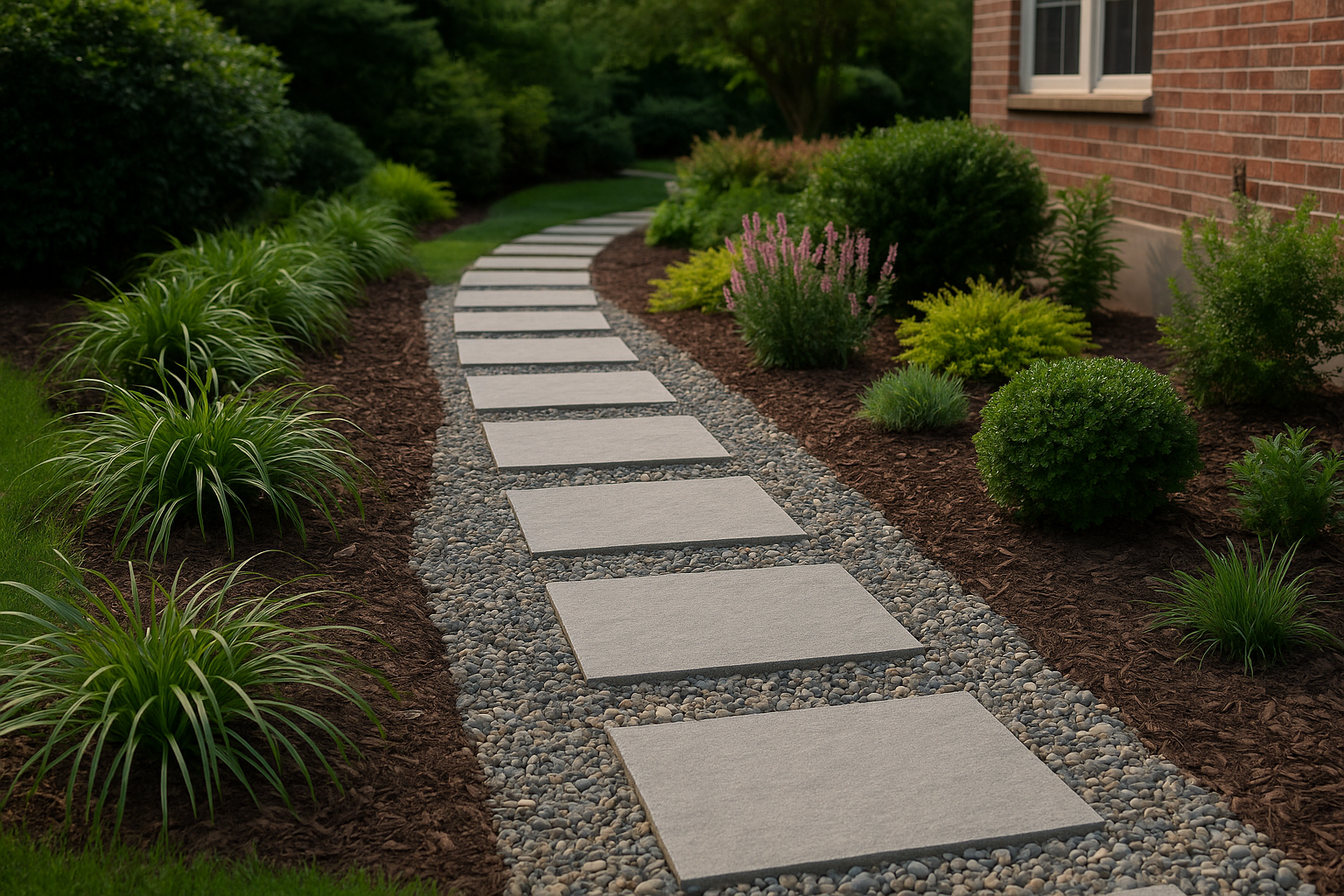
Walkway Landscaping Plans: Transform Your Pathway
Walkway landscaping plans turn ordinary paths into inviting, functional features of your yard. Whether you’re replacing a tired concrete strip or planning a new garden route, a thoughtful walkway enhances curb appeal, boosts safety, and ties garden elements together. This guide walks you through planning, design styles, material choices, lighting, plant selections, and maintenance advice so you can create a path that complements your home and lifestyle.
Why Thoughtful Walkway Landscaping Matters
A well-designed walkway does more than connect points A and B. It guides movement, frames views, and creates opportunities for seasonal interest. Consider these benefits when you plan:
- Function: Safe, direct routes reduce wear on lawns and prevent tripping hazards.
- Aesthetics: Materials and planting define the character of your property.
- Value: Attractive hardscaping and curated planting increase curb appeal and resale value.
- Ecosystem: Permeable surfaces and native plantings support better drainage and biodiversity.
Planning Your Walkway
Assess traffic and purpose
Start by mapping how people actually move across your site. A straight path is efficient for heavy traffic; a gently curving route encourages lingering and discovery. Consider width: 3-4 feet is comfortable for single walkers, 5-6 feet allows two people to pass.
Define starting and ending points
Anchor your walkway at obvious nodes—porches, driveways, gates, patios. Align the approach with sightlines so the path feels natural rather than forced. If possible, stage a visual goal like a tree, statue, or bench to draw people along the route.
Popular Design Styles
Formal and geometric
Symmetrical lines, crisp edges, and regular paving patterns work well with traditional architecture. Use bluestone or cut pavers set with clean mortar joints and low evergreen hedges for a refined look.
Informal and natural
Curving paths, irregular flagstones, and mixed gravel or mulch suit cottage and rustic landscapes. Combine stepping stones with groundcover between joints to create a relaxed, integrated feel.
Modern minimal
Simple, linear layouts with large concrete slabs, metal edging, and drought-tolerant plantings emphasize clean lines and low maintenance.
Materials and Edging Choices
- Flagstone: Durable, natural look—ideal for informal curves. Requires firm base and occasional leveling.
- Pavers: Versatile and available in many shapes, colors, and textures. Interlocking pavers are easy to install and repair.
- Gravel: Affordable and permeable—pair with edging to keep material contained.
- Concrete: Long-lasting and customizable with finishes or stains. Consider scored joints to mimic tiles.
- Stepping stones: Best for low-traffic garden routes; combine with groundcover for a soft look.
Edging materials (steel, brick, stone, or plastic) keep borders crisp and prevent creeping planting or loose aggregate from wandering into the lawn.
Lighting and Safety
Good lighting extends usability and improves safety. Plan a layering approach:
- Path lights every 6-10 feet for consistent illumination.
- Step lights or recessed fixtures where elevation changes occur.
- Accent lights to highlight focal plants or architectural features.
Solar lights are budget-friendly and easy to install; low-voltage wired systems offer more consistent performance and brighter output.
Plants and Groundcover
Choose for scale and maintenance
Select plants that won’t overgrow the path or create slipping hazards. Low-growing herbs, sedums, thyme, or dwarf mondo grass work well between stones. Use taller perennials and shrubs to frame the walkway and create seasonal interest.
Consider texture and color
Combine foliage textures—fine grasses with bold-leaved perennials—for visual contrast. Repeat plantings along the route to create rhythm and unity.
Maintenance and Budget Tips
Estimate costs for materials, labor, and lighting before you start. DIY-friendly options like gravel or stepping stones reduce expenses, while pavers and concrete typically require professional installation for best results.
- Maintenance: Sweep or blow debris, replenish joint material, and prune overhanging branches yearly.
- Permeability: Prefer permeable bases or gaps between pavers to reduce runoff.
- Seasonal care: Choose salt-tolerant materials near driveways in snowy climates and use sand-based deicers when possible to protect plantings.
Quick Design Checklist
- Map natural traffic and sightlines.
- Choose a style that complements your home.
- Select durable materials and appropriate edging.
- Plan lighting for safety and ambiance.
- Pick low-maintenance plants at the correct scale.
- Consider drainage and permeability to avoid future issues.
Conclusion
Walkway landscaping plans give your outdoor space structure, beauty, and improved usability. Start with a clear purpose, choose materials that fit your budget and aesthetic, and layer planting and lighting to make the path welcoming day and night. With thoughtful planning and a maintenance-minded approach, your walkway can become one of the most-loved features of your landscape.