
Brick Walkway Landscaping: Design Ideas, Plants, and Practical Tips
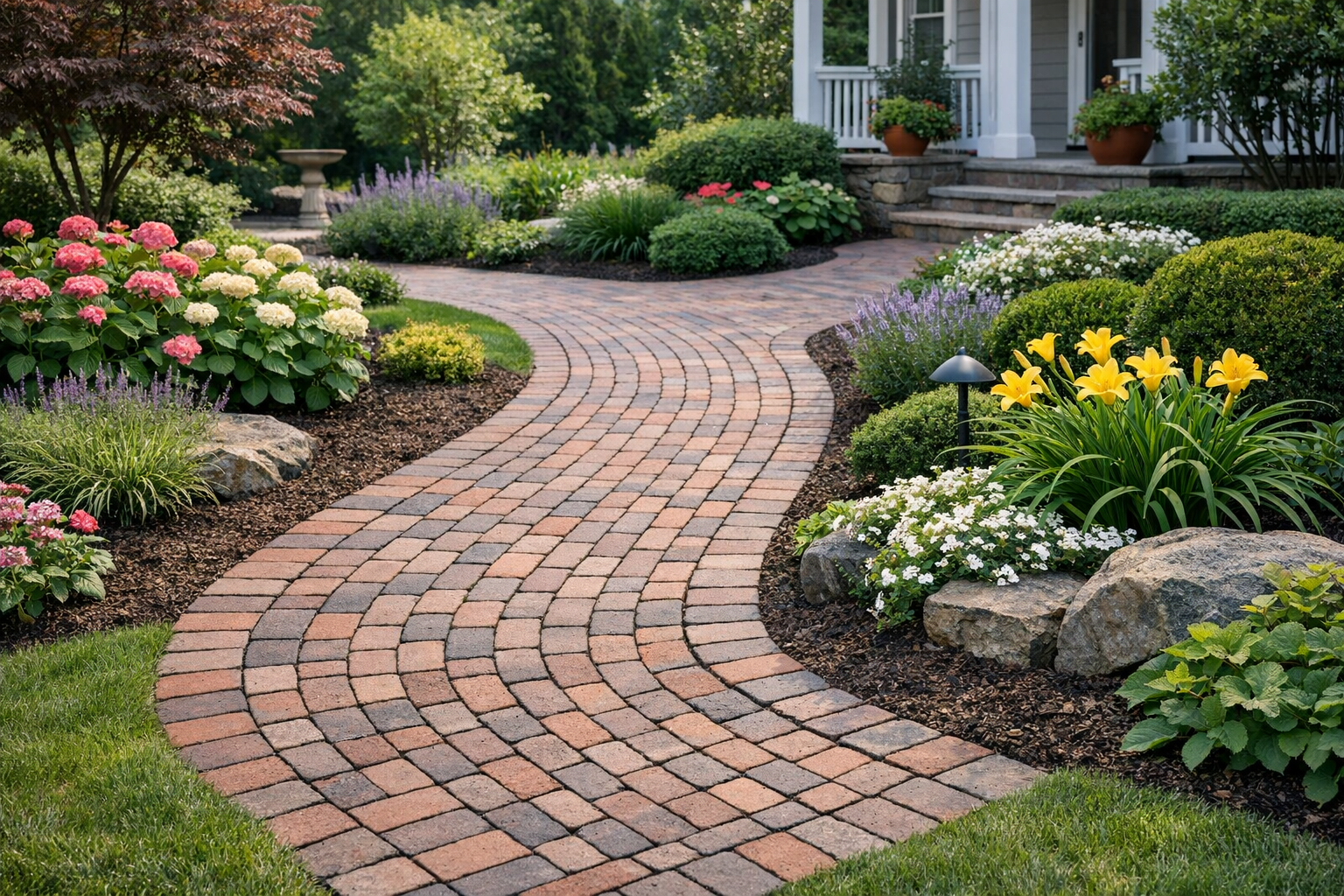
A brick walkway does more than connect your front door to the sidewalk. It can guide visitors through the garden, add welcoming character, and make outdoor spaces feel thoughtfully designed. With the right brick pattern, edging, and plants, even a simple path can become a standout feature. Here’s how to plan brick walkway landscaping that looks beautiful and works well for years.
Plan a Walkway That Fits Your Landscape
Start by considering how people will use the path. A direct walkway is practical for a front entrance, while a gently curving route can create a relaxed garden feel. Notice where people naturally walk, where water collects, and which views you want to highlight. A path should lead somewhere useful, such as a gate, patio, or garden seating area, rather than ending without purpose.
Think about scale, too. A narrow path may suit a tucked-away garden trail, but a main entrance walkway should give people enough room to walk comfortably side by side. Make sure the route is easy to follow and avoid tight turns that could feel awkward to navigate.
Choose a Brick Style and Pattern
Brick comes in a range of colors, textures, and finishes, from traditional red clay to muted brown, tan, and charcoal tones. Choose a color that complements your home’s exterior and nearby hardscape. Reclaimed brick can add an aged, informal look, while uniform new pavers create a cleaner finish. For a walking surface, use paving brick rated for ground use rather than thin brick veneer made for walls.
Popular Brick Laying Patterns
- Running bond: Rows of bricks are offset, creating a simple, classic look that suits many homes.
- Herringbone: Bricks form a zigzag pattern that feels decorative and helps create a visually strong surface.
- Basket weave: Pairs of bricks alternate direction for a traditional pattern with a softer, less formal feel.
- Soldier course edging: Bricks are set on end along the sides of a path to give the walkway a defined border.
Patterns with interlocking layouts, such as herringbone, can be a good choice where the path may receive more foot traffic. Consider the overall scale of the design: intricate patterns can look busy on a narrow path, while a plain layout may feel understated in a large garden.
Use Plants to Soften the Edges
Landscaping alongside a brick walkway brings color and texture to the hard surface. Low-growing plants are especially useful because they soften the brick without spilling across the walking area. Depending on your climate and light conditions, consider compact perennials, ornamental grasses, ground covers, or small flowering plants.
For a cottage garden, mix blooms of different heights near the edge of the path and repeat a few plants to keep the design cohesive. For a more orderly look, use clipped edging plants or a consistent row of flowers. In a shady garden, choose varieties suited to lower light rather than relying on plants that need full sun. Always check mature width before planting, and leave enough space so foliage does not cover the bricks.
Plants also affect maintenance. Ground covers can reduce bare soil and help define the path, but vigorous varieties may creep between bricks. Keep larger shrubs set back so roots and overhanging branches do not interfere with the walkway. A narrow strip of gravel or mulch between the brick and a planting bed can make the border easier to maintain.
Build a Stable, Well-Drained Path
A good-looking walkway starts below the surface. Bricks laid over an uneven or poorly drained base may shift, sink, or collect puddles. For a new path, remove the existing turf and soil to the depth needed for the planned base and brick thickness. Add a compacted base material, followed by a level bedding layer, then set the bricks in the chosen pattern. The exact depth depends on soil conditions, climate, and expected use, so follow local guidance or consult a qualified installer for challenging sites.
Plan for water to drain away from buildings and avoid directing runoff toward neighboring properties. A slight slope helps water move off the surface. Edge restraints help hold the bricks in place, while jointing material swept into the gaps can limit shifting and discourage weeds. Compaction matters at each stage, but bricks should be handled carefully to keep the finished surface even.
Lighting and Finishing Details
Path lighting improves visibility after dark and gives the garden a welcoming glow. Low-voltage or solar fixtures can be placed along the edge, but avoid crowding the walkway with too many lights. Aim fixtures down toward the path to reduce glare. You can also highlight a feature near the route, such as a specimen tree, planting bed, or front porch.
Small details help connect the path to the rest of the landscape. Match the brick edging to nearby garden borders, repeat colors from the house, or use a brick landing where the walkway meets a porch or patio. A slight change in pattern at a threshold can make the transition feel intentional.
Maintain Your Brick Walkway
Regular sweeping removes leaves and soil before they build up between the bricks. Pull small weeds promptly and refresh jointing material if gaps become noticeable. For stains, begin with a gentle scrub using water and a stiff brush; use stronger cleaners only when they are appropriate for your type of brick. Check the path after heavy rain and reset any bricks that become loose or uneven before they create a tripping hazard.
Common Brick Walkway Landscaping Mistakes
Avoid choosing bricks based on color alone without checking that they are suitable for paving. Skipping a stable base is another common problem and often leads to repairs later. Planting too close to the path can hide edges, trap moisture, or create extra trimming work. Finally, remember that a walkway should be comfortable to use in every season, not just attractive in a garden photo. Prioritize an even surface, sensible drainage, and a clear route.
Conclusion
Brick walkway landscaping combines practical access with timeless garden style. Choose a pattern and brick color that suit your home, build on a stable base, and use appropriately sized plants to soften the edges. With thoughtful planning and simple upkeep, your walkway can be both a functional route and a welcoming part of the landscape.