
October Landscaping Tips: Prepare Your Garden for a Healthy Spring
Why October Matters for Your Landscape
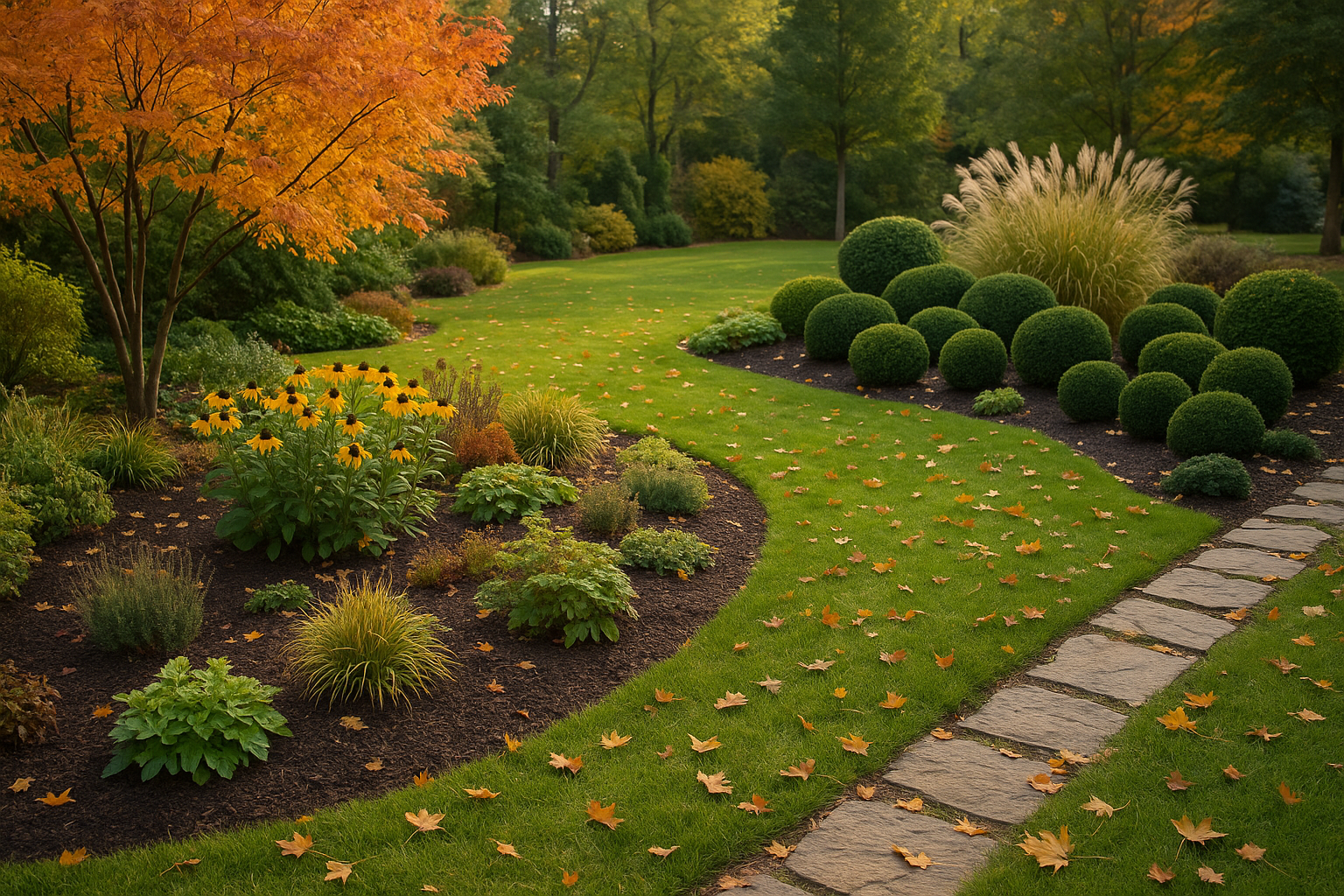
October is a pivotal month in the garden calendar. Temperatures are cooling, plants are shifting energy into roots, and the first frosts may be on the way. With a few strategic tasks now, you can protect vulnerable plants, improve soil health, and set the stage for a vibrant spring landscape.
Lawn Care: Finish Strong
Mow and Rake Strategically
Continue mowing as needed but gradually lower the height to the recommended setting for your grass type. Remove fallen leaves to prevent smothering grass and reducing sunlight. Use rakes or a mulching mower to keep the lawn clean without overly stressing turf.
Fertilize and Overseed
Apply a slow-release, phosphorus-free fertilizer formulated for fall use to encourage root growth rather than top growth. If your lawn has thin or bare patches, overseed while soil temperatures remain warm; cooler nights mean seed will germinate but weeds are less aggressive.
Planting and Bulbs: Plan for Spring Color
Plant Spring-Flowering Bulbs
October is prime time for planting tulips, daffodils, alliums, and other spring bulbs. Plant bulbs at the depth recommended on the package, and consider grouping them into drifts for a more natural look. Add a layer of mulch to moderate soil temperatures and protect bulbs from extreme cold.
Install New Shrubs and Trees
Cooler weather and increased rainfall reduce transplant shock. Planting trees and shrubs in October gives roots a chance to establish before spring. Ensure proper planting depth and water thoroughly after planting.
Pruning and Cleanup: Know What to Cut
Prune Dead or Diseased Growth
Remove dead, damaged, or diseased branches from trees and shrubs to improve structure and reduce pest habitat. For spring-blooming shrubs, delay hard pruning until after bloom next year; for summer-bloomers, fall pruning can be appropriate.
Tidy Perennials and Annuals
Cut back tender perennials and spent annuals once foliage has died back or after the first hard frost. Leave structural stems for winter interest where desired, and collect seeds from chosen plants for next season.
Mulching and Soil Health
Top-Dress Beds and Vegetables
Apply 2-3 inches of organic mulch to planting beds to suppress weeds, retain moisture, and moderate soil temperature. In vegetable gardens, consider compost or shredded leaves to improve soil structure over winter.
Test and Amend Soil
Fall is a good time for soil testing. Based on results, add lime to raise pH or sulfur to lower it. Organic matter like compost can be added now and incorporated by soil organisms before spring.
Irrigation, Tools, and Equipment
Winterize Irrigation Systems
Blow out and drain irrigation lines in colder climates to prevent freeze damage. Shut off outdoor faucets and insulate them if necessary.
Service and Store Tools
Clean, sharpen, and oil garden tools before storing. Drain fuel from lawnmowers or add fuel stabilizer, and consider a professional tune-up for larger equipment.
Pests, Diseases, and Wildlife
Monitor and Treat Early
Many pests slow down but fungal diseases can persist in wet conditions. Remove infected leaves and debris promptly to reduce overwintering spores. Consider targeted, low-toxicity treatments if necessary.
Protect Plants from Wildlife
As natural food becomes scarce, deer and rodents may browse plants or dig up bulbs. Use deer-resistant plantings, fencing, or repellents to protect valuable specimens.
Hardscape and Seasonal Tasks
Inspect Walkways and Drainage
Check patios, paths, and retaining walls for cracks or areas where water pools. Fix drainage issues now to prevent freeze-thaw damage during winter.
Store or Cover Outdoor Furniture
Clean and store cushions and delicate furniture, or cover pieces left outdoors. Move potted plants into sheltered spots or wrap them if they are frost-sensitive.
Planning for Next Season
Design and Planting Plans
Use this quieter time to sketch plans, select new plants, and order seeds or bulbs. Early planning helps you secure high-quality stock and gives you a clear to-do list for spring.
Start a Compost or Leaf Collection Routine
Leaves are valuable compost material. Either compost them, shred and mulch them into beds, or set aside for winter mulch. A steady supply of compost will boost next year’s soil fertility.
Conclusion
October is your last window to prepare the landscape for winter and give it a head start for spring. With thoughtful lawn care, timely planting, targeted pruning, and a bit of maintenance, you’ll protect your plants and reduce next season’s workload. A small investment now pays big dividends in a healthier, more beautiful garden come spring.