
Residential Landscape Architecture: Designing a Beautiful, Functional Outdoor Space
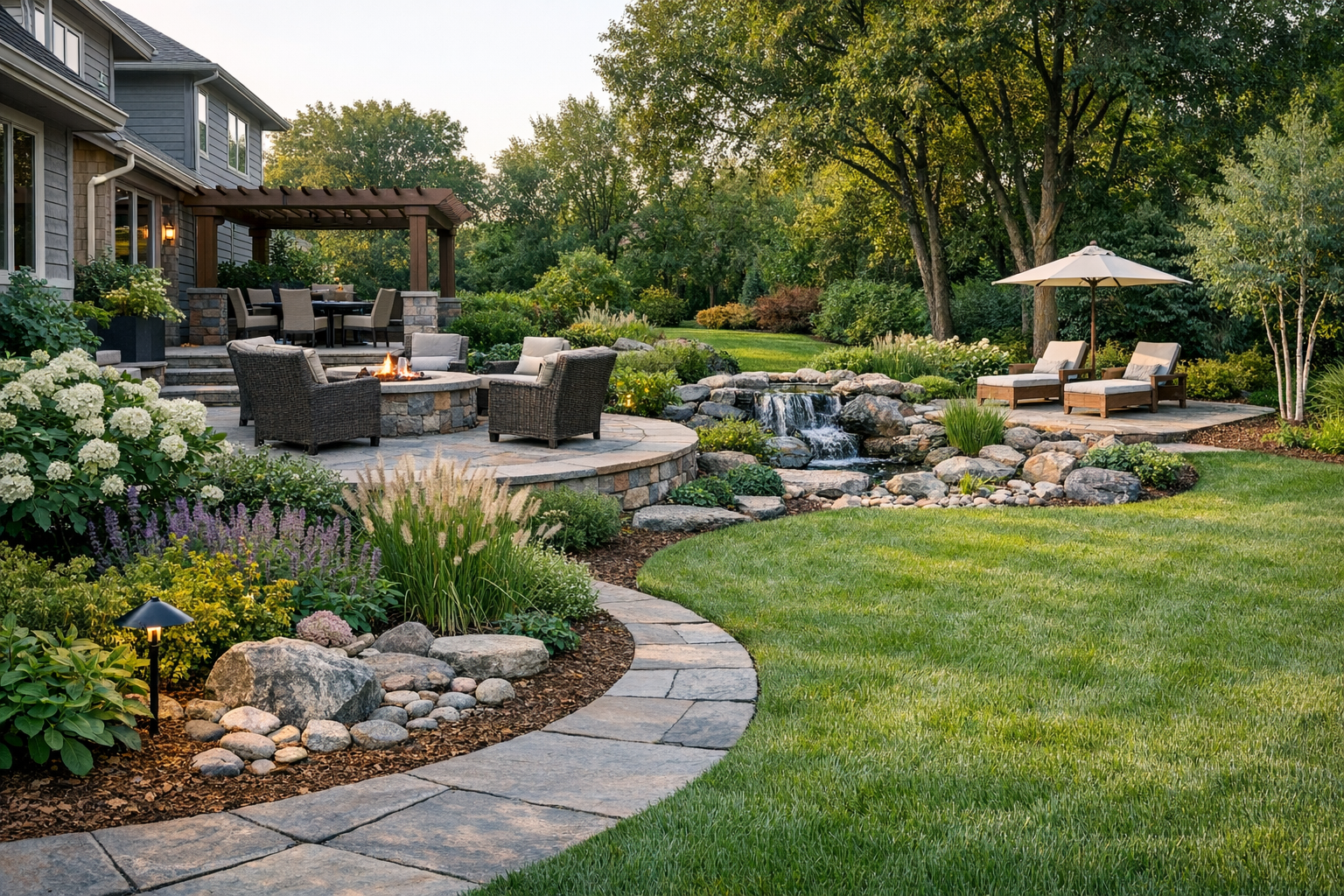
Residential landscape architecture is about more than choosing plants or adding a patio. It brings together the home, the garden, and the people who use them, shaping outdoor spaces that look inviting and work well in everyday life. With thoughtful planning, a yard can become a place to relax, entertain, play, grow food, or simply enjoy the changing seasons.
Whether you are starting with a bare lot or rethinking an established garden, understanding the design process can help you make confident choices. Here is how residential landscape architecture balances beauty, comfort, and long-term performance.
What Is Residential Landscape Architecture?
Residential landscape architecture is the planning and design of outdoor spaces around homes. It considers how people move through a property, how the site responds to sun and rain, and how features such as planting, paths, seating, and lighting can work together.
A residential landscape architect may help develop a complete site plan or focus on a particular area, such as an entry garden, courtyard, pool surround, or backyard. The goal is to create a cohesive outdoor environment that suits the home and the household’s needs—not simply a collection of attractive features.
Start with the Way You Live
The most successful landscape designs begin with practical questions. How do you want to spend time outdoors? Do you need a quiet place to read, a lawn for children and pets, room for outdoor dining, or low-maintenance planting? A clear understanding of daily routines helps determine which features deserve space and investment.
List your priorities
Make a short list of must-haves and nice-to-haves. For example, an outdoor kitchen may be a priority for someone who entertains often, while a shaded seating area may matter more to a household that wants a comfortable retreat. Consider privacy, accessibility, storage, and maintenance needs as well. These details help turn broad ideas into a workable design brief.
Plan for different ages and abilities
Well-designed residential landscapes can support changing needs over time. Clear, stable paths, comfortable steps, handrails where appropriate, and seating at useful intervals can make a garden easier to navigate. Flexible spaces may also adapt as children grow or household routines change.
Understand the Site Before You Design
Every property has conditions that influence what will thrive there. Before choosing materials or plants, look at the site’s slope, soil, drainage, sunlight, wind, and existing vegetation. Note where water collects after rain and which areas feel exposed or shaded during the day.
These observations are more than technical details. They can guide the layout and prevent avoidable problems. For instance, a sunny, level area may be ideal for a patio, while a steep or damp section may be better suited to layered planting. Protecting healthy mature trees can provide shade and character that would take years to replace.
Bring the Home and Garden Together
A strong residential landscape design feels connected to the architecture of the house. That does not mean every outdoor feature needs to match the building exactly. Instead, look for ways to create visual harmony through scale, form, color, and materials.
Pay attention to the views from inside the home as well as the experience of moving outside. A thoughtfully placed tree, a framed view of a garden bed, or a welcoming path from the kitchen to the patio can make the landscape feel like a natural extension of indoor living. Repeating a material or color in a few locations can also help different areas feel related.
Design the Main Outdoor Spaces
It can help to organize the property into outdoor “rooms,” each with a clear purpose. A dining terrace, lawn, play area, and quiet garden nook can coexist when their locations and transitions are carefully considered. Paths should make movement between these spaces easy without cutting through places meant for rest or conversation.
Choose hardscape materials carefully
Hardscape includes features such as patios, walls, steps, and walkways. Material choices affect the look, cost, comfort, and upkeep of a landscape. Natural stone, concrete pavers, gravel, and brick each have different textures and installation requirements. Consider how a surface feels underfoot, whether it becomes slippery, and how it will handle local weather and regular use.
Create comfort with shade and privacy
Trees, pergolas, screens, and layered planting can make outdoor areas more comfortable and secluded. The right solution depends on the site: a canopy tree may provide generous seasonal shade, while a trellis can offer a lighter screen beside a dining area. Combining different heights often creates privacy without making a yard feel enclosed.
Select Plants for Beauty and Resilience
Planting design adds color, texture, movement, and seasonal interest. Rather than selecting plants one at a time, consider how they will work as a group. A balanced planting plan may combine trees, shrubs, grasses, perennials, and ground covers, with attention to mature size and spacing.
Whenever possible, choose plants suited to the local climate and site conditions. Native and regionally adapted species can be valuable choices because they are better matched to local weather and may support pollinators and other wildlife. Grouping plants with similar water needs can also make irrigation more efficient. A landscape professional or local nursery can help identify options that suit your region.
Plan for Water, Maintenance, and Budget
Long-term success depends on more than the initial design. Good drainage helps protect foundations and outdoor surfaces, while efficient irrigation can support plants without wasting water. Depending on the property, solutions may include directing runoff, improving soil, using permeable paving, or collecting rainwater.
Be realistic about ongoing maintenance. A garden that looks beautiful in a drawing may require more pruning, watering, or seasonal care than you want to provide. Discuss upkeep expectations early and choose a planting plan and materials that fit your available time.
Budget planning is equally important. If the full project is not affordable at once, divide it into phases. Address essential grading, drainage, and infrastructure first, then add patios, planting, and finishing details as resources allow. A well-planned overall design helps each phase contribute to a coherent result.
Conclusion
Residential landscape architecture transforms a yard into a useful, welcoming part of the home. By starting with your lifestyle, responding to the site, and planning for plants, materials, water, and maintenance, you can create an outdoor space that feels personal and lasts. The best design is not simply attractive—it makes everyday life outside easier and more enjoyable.