
Top Landscape Design Trends: What’s Shaping Yards Now
Introduction
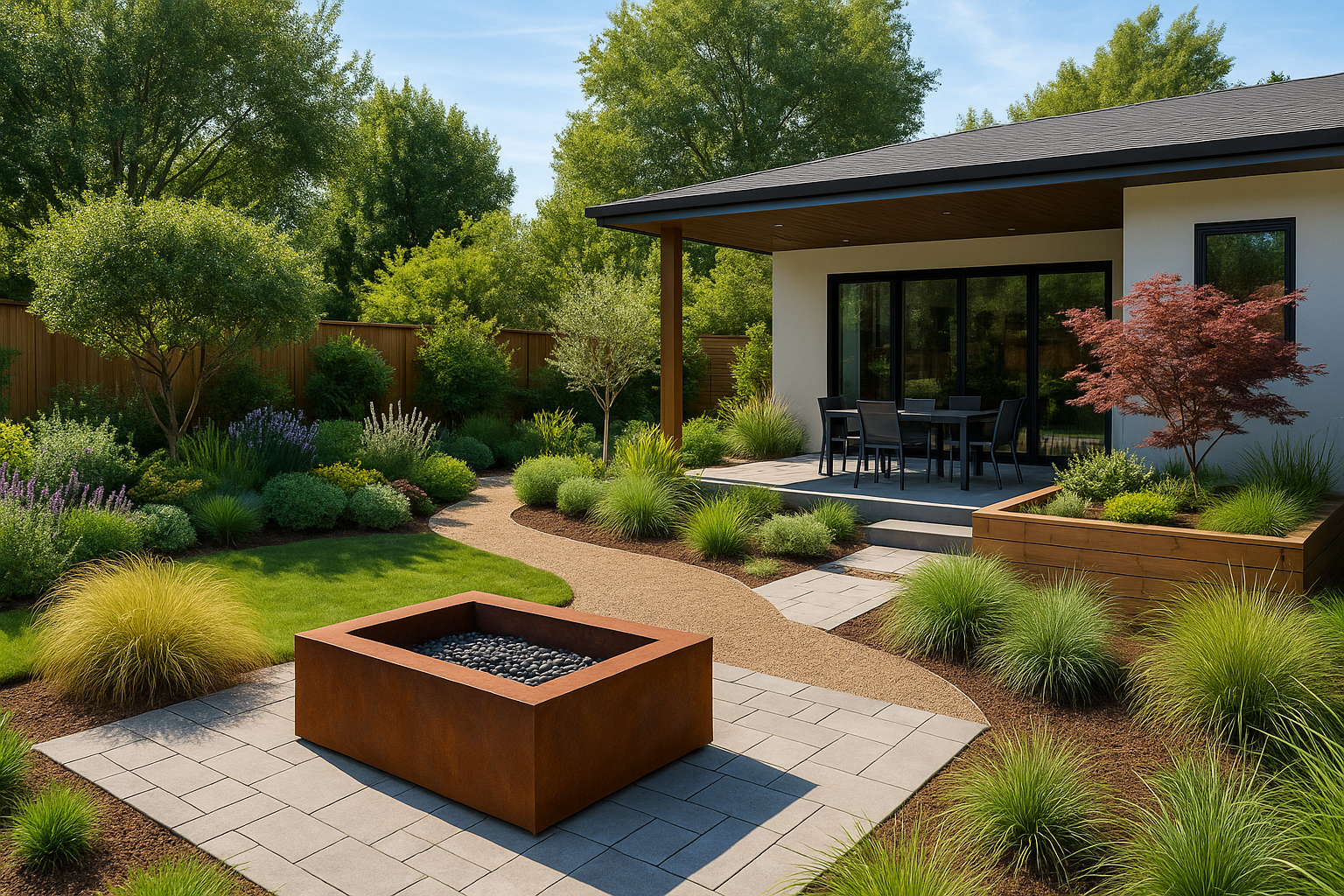
Landscape design is changing faster than you might think. Homeowners and designers are prioritizing sustainability, multi-functional outdoor rooms, and low-maintenance plants that still look thoughtfully curated. Whether you have a tiny urban patio or a spacious suburban yard, these trends offer practical ideas to make outdoor spaces more beautiful, resilient, and useful year-round.
Key Landscape Design Trends
1. Sustainable and Regenerative Landscaping
Sustainability is no longer a niche. Regenerative landscaping goes beyond low-impact practices to actively restore soil health, boost biodiversity, and reduce runoff. Expect more rain gardens, permeable paving, composting stations, and designs that prioritize native habitats.
2. Native and Pollinator-Friendly Plantings
Native plants require less water and maintenance while supporting local wildlife. Pollinator gardens—designed with seasonal blooms—are in demand because they attract bees, butterflies, and birds, and create a living, changing landscape.
3. Drought-Tolerant and Climate-Adapted Gardens
With unpredictable climates, drought-tolerant landscapes using succulents, ornamental grasses, and Mediterranean species are popular. Grouping plants by water needs (hydrozoning) reduces waste and keeps gardens healthy through heat waves.
4. Edible Landscapes and Food Forestry
Combining beauty with function, edible landscaping integrates fruit trees, berry hedges, herbs, and multi-purpose plants. Food forestry—layering trees, shrubs, and groundcovers—makes productive landscapes look natural and low-maintenance.
5. Outdoor Living Rooms
Outdoor spaces are being treated as extensions of indoor living: kitchens, dining areas, cozy seating, and even outdoor offices. Fire pits, built-in seating, and weatherproof lighting add comfort and increase usable days throughout the year.
6. Low-Maintenance Materials and Natural Textures
Homeowners prefer materials that age gracefully—composite decking, natural stone, and sustainably harvested wood. Crushed-gravel paths, modular pavers, and living walls add texture without demanding constant care.
7. Smart Irrigation and Landscape Tech
Technology is making landscapes more efficient. Smart controllers, soil sensors, and weather-adaptive irrigation systems reduce water use while keeping plants healthy. Integrated lighting and outdoor speakers also create seamless, user-friendly environments.
8. Multi-Functional and Flexible Spaces
Designs that adapt to multiple uses—play, relaxation, entertaining—are trending. Moveable planters, modular seating, and adaptable shade solutions help small and large yards switch functions easily as needs change.
How to Incorporate These Trends
Start by evaluating your site: soil type, sun exposure, slope, and microclimates. Then:
- Prioritize native species and drought-tolerant plants for long-term resilience.
- Design zones for different activities—dining, play, gardening—so each area has a clear purpose.
- Use hardscaping to define spaces and reduce lawn area, which lowers maintenance and water use.
- Introduce edible plants in attractive ways: espaliered fruit trees, raised beds framed with perennials, or mixed hedges.
- Integrate smart irrigation early—retrofits cost more and are less efficient than planned systems.
Budgeting and Maintenance Tips
Plan for Phases
Break the project into phases: core functionality first (paths, irrigation, shade), then planting and accents. This spreads cost and lets you adjust as you see how the space performs.
Choose Low-Maintenance Combinations
Layer perennial plantings with groundcovers and shrubs to suppress weeds and reduce pruning. Use mulch and drip irrigation to cut maintenance and keep water focused where roots need it most.
Work with Professionals for Complex Elements
For grading, drainage, or structural features like retaining walls and outdoor kitchens, hire licensed professionals. A good design upfront saves money and headaches later.
Conclusion
Modern landscape design focuses on resilience, functionality, and connection to nature. By blending native plantings, low-maintenance materials, smart technology, and thoughtful outdoor living spaces, you can create a yard that’s beautiful, useful, and easier to care for. Start small, plan smart, and let the landscape evolve with your needs.