
Stone Retainer Wall: A Homeowner’s Guide to Durable, Beautiful Retaining Walls
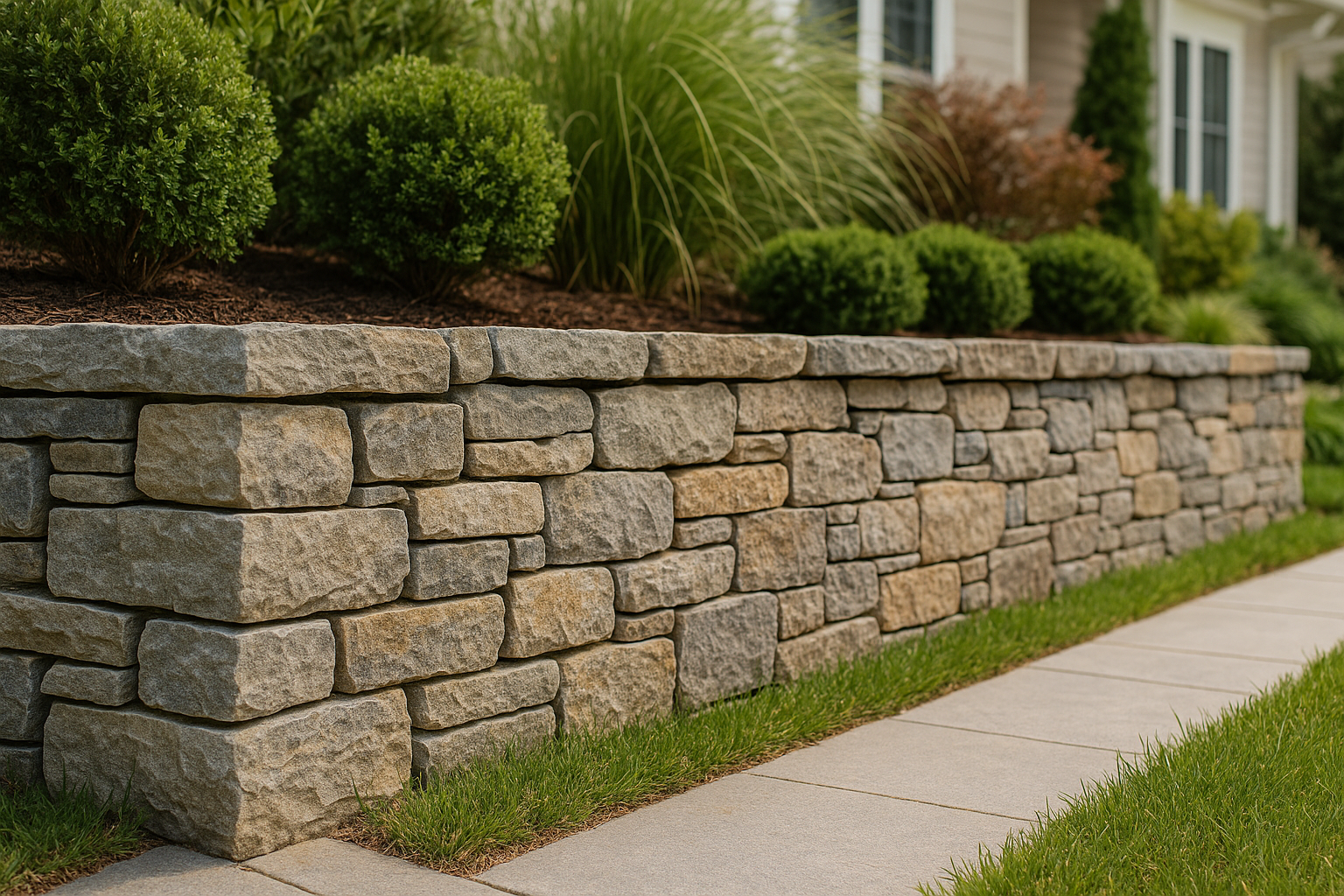
What is a Stone Retainer Wall?
A stone retainer wall, often called a stone retaining wall, is a masonry structure built to hold back soil, prevent erosion, and shape a landscape. Unlike simple garden edging, these walls resist lateral earth pressure and control water runoff. They can be made from natural stone, quarried blocks, or stacked stone systems, and range from low-tier decorative walls to tall structural walls that require engineered design.
Types of Stone Retainer Walls
Dry-Stacked Stone Walls
Dry-stacked walls rely on carefully fitted stones with no mortar. They offer a classic, rustic appearance and excellent drainage because water seeps through the joints. These walls are best for low to moderate heights and when flexibility matters for freeze-thaw conditions.
Mortared Stone Walls
Mortared walls use cement or lime mortar to bind stones together. They provide a stronger, more permanent structure suitable for higher walls and formal designs. Mortaring controls movement but requires good drainage design to avoid water pressure buildup behind the wall.
Modular or Veneer Stone Walls
Modular systems use manufactured blocks designed to interlock; sometimes a veneer of natural stone is applied over a concrete or block core. These are popular for consistent finishes and simplified installation while still achieving a stone look.
Benefits of Installing a Stone Retainer Wall
- Durability: Natural stone and well-built masonry can last decades with minimal maintenance.
- Aesthetics: Stone adds timeless appeal and increases curb appeal and property value.
- Erosion Control: Retains soil on slopes and stabilizes landscapes prone to washouts.
- Improved Drainage: With proper backfill and weep solutions, stone walls protect foundations and garden beds from water damage.
- Low Maintenance: Especially dry-stacked and well-drained mortared walls require little upkeep.
Planning and Design Considerations
Site Assessment
Start by evaluating slope steepness, soil type, and the intended function of the wall (decorative vs. structural). Clay soils hold water and exert more pressure; sandy soils drain better. Also check for underground utilities before digging.
Height, Setback, and Local Codes
Most municipalities regulate retaining wall height without engineering. As a rule of thumb, walls under 3 feet are often considered non-structural, while taller walls may require permits and engineered designs. Include a slight backward tilt (batter) for stability on tall walls.
Drainage and Backfill
Drainage is the single most important factor for longevity. Design a drainage layer of crushed stone, incorporate perforated drain pipe (weeping tile) at the base, and use granular backfill to reduce hydrostatic pressure.
Step-by-Step Construction Overview
1. Excavation and Base Preparation
Excavate a level trench below frost depth when possible and compact a base of crushed stone. A solid base prevents settling and keeps the wall level.
2. Laying the First Course
The first course of stones sets the tone for stability. Use the largest, flattest stones on the base and ensure they are well-seated and level across the entire length.
3. Building Up and Backfilling
For dry-stacked walls, interlock stones and arrange so vertical joints are staggered. For mortared walls, apply mortar consistently and tool the joints for weatherproofing. Backfill with gravel in layers, compacting between lifts and installing drainage pipe at the base.
4. Capping and Finishing
Add capstones for a finished look and to protect the wall top from erosion. Seal mortar joints if desired and landscape the top and front to integrate the wall with your property.
Common Mistakes to Avoid
- Skipping proper drainage and backfill—this leads to wall failure from hydrostatic pressure.
- Using irregular base stones without leveling—causes uneven settlement.
- Underestimating freeze-thaw movement—allow for flexibility or use mortar appropriate for your climate.
- Ignoring permits and local code—this can lead to costly rework.
Maintenance Tips
- Inspect annually for bulging, leaning, or displaced stones and address minor issues early.
- Keep drainage pathways clear of roots and debris; flush perforated drains if clogged.
- Reapply mortar or tuckpoint where joints have deteriorated.
- Control vegetation: large roots can displace stones, while small groundcovers can help stabilize soil.
When to Hire a Professional
If your wall will exceed 3 to 4 feet in exposed height, hold back heavy loads (like a driveway), or sits near structures and utilities, consult a licensed engineer and hire experienced masons. Professionals can provide engineered footings, proper reinforcement, and a warranty you’ll appreciate if problems arise.
Conclusion
A well-designed stone retainer wall adds function and beauty to your landscape. With careful planning—especially around drainage and base work—you can build a durable wall that enhances your property for years. Whether you DIY a low dry-stack wall or hire professionals for a taller, structural solution, the right approach keeps soil where it belongs and creates a timeless focal point in your yard.