
Smart Landscape Lighting: A Complete Guide to Illuminating Your Outdoor Space
Introduction
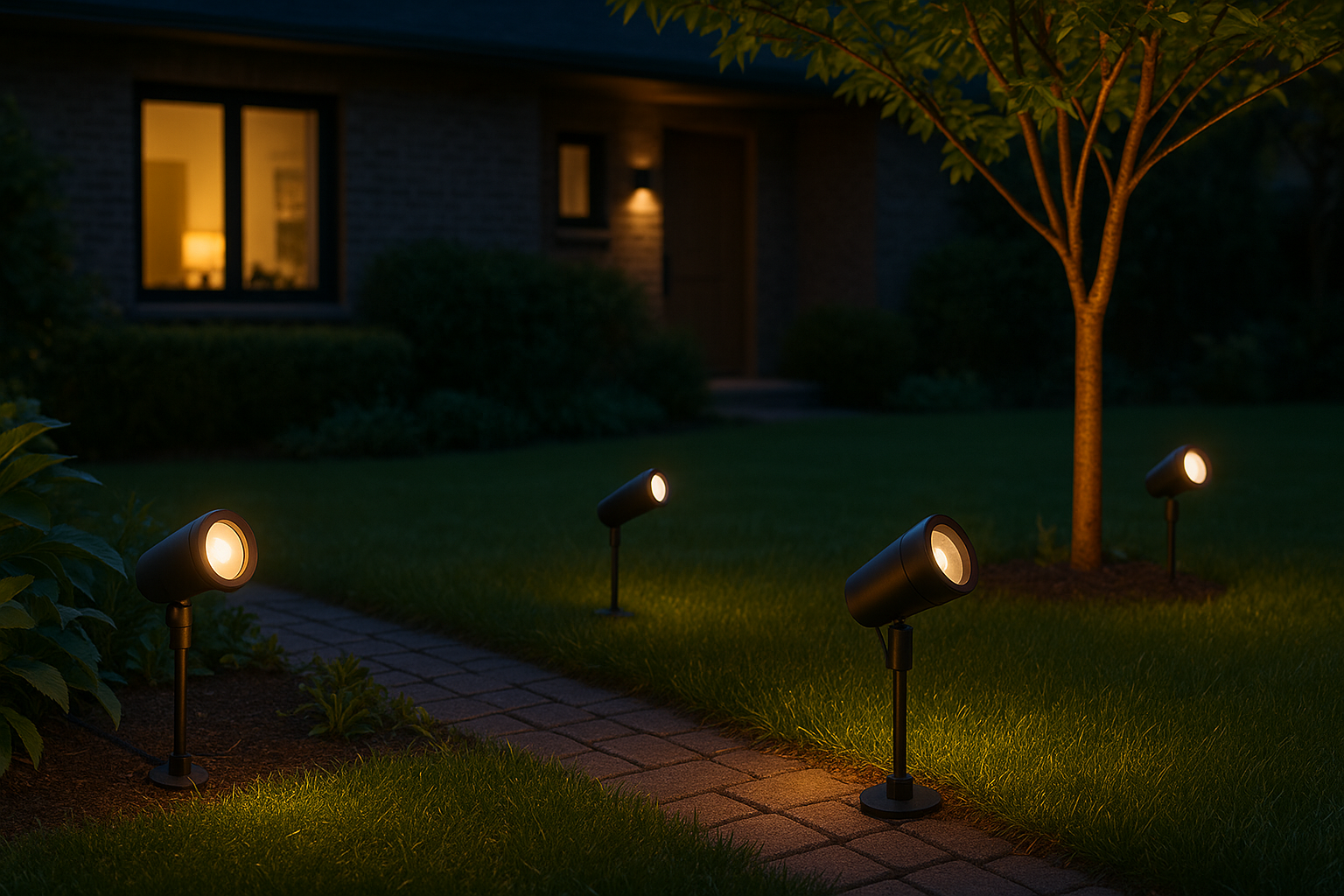
Smart landscape lighting turns your yard into a welcoming, secure, and energy-efficient extension of your home. Modern systems combine LED fixtures, wireless controls, motion sensors, and scheduling to deliver beautiful nighttime curb appeal and practical safety features. This guide explains what smart landscape lighting is, key components, design tips, installation options, and how to choose the right setup for your property.
What Is Smart Landscape Lighting?
At its core, smart landscape lighting is outdoor lighting that can be remotely controlled, automated, and integrated into a smart home ecosystem. It goes beyond traditional fixtures by providing programmability, scene-setting, remote access, and often energy-saving features like dimming and motion-triggered operation.
Key Components
- Fixtures: Path lights, spotlights, well lights, and deck or step lights designed for outdoor use.
- Bulbs: Typically LED for longevity and efficiency, often with color-tuning capabilities.
- Control hardware: Hubs, smart switches, or bridges that connect lights to your home network.
- Sensors: Motion detectors, ambient light sensors, and temperature or moisture sensors for automation.
- Software: Smartphone apps, voice assistant integrations, and scheduling tools.
Benefits of Smart Landscape Lighting
- Enhanced safety and security: Well-lit pathways, entryways, and motion-activated lights deter intruders and reduce trip hazards.
- Improved curb appeal: Carefully placed lighting highlights plants, architectural features, and outdoor living areas.
- Energy savings: LEDs, dimming, and motion-based activation lower electricity use and operating costs.
- Convenience and control: Schedule scenes, turn lights on/off remotely, or sync with sunset/sunrise.
Planning and Design Principles
Good landscape lighting starts with a plan. Think about function first—safety and navigation—then add layers for aesthetics and focal points.
Assess Your Space
- Map paths, steps, and entry points that need illumination.
- Identify features you want to highlight: trees, water features, facades.
- Note nearby power sources if you’re using wired components.
Lighting Techniques
- Path lighting: Low, even illumination for walkways.
- Uplighting: Place fixtures at the base of trees or walls to create drama.
- Silhouetting: Light an object from behind to create contrast.
- Wash lighting: Soft, broad light to gently illuminate surfaces.
Smart Controls and Integration
Controls are what make landscape lighting “smart.” Whether you prefer a simple app or a fully integrated system, choose controls that match your lifestyle.
Control Options
- App-based control: Turn lights on/off, create scenes, and set schedules from your phone.
- Voice assistants: Use Alexa, Google Assistant, or Siri for hands-free control.
- Sensors and automation: Motion sensors, dusk-to-dawn triggers, and geofencing for arrival-based lighting.
Connectivity Protocols
Smart landscape systems use Wi-Fi, Zigbee, Z-Wave, or Bluetooth. Wi-Fi is straightforward but can be power-hungry; Zigbee and Z-Wave offer mesh networking and reliability for larger setups.
Choosing Fixtures and Bulbs
Pick fixtures built for outdoor conditions: look for IP ratings (water and dust resistance), durable materials like brass or stainless steel, and adjustable beam angles. LEDs are the recommended bulb choice for efficiency and long life, and many smart LEDs offer tunable white or RGB options for creative effects.
Installation Options
You can choose DIY installations or hire a professional depending on complexity. Power options include:
- Low-voltage wired systems: Common for landscape lighting—safer and energy-efficient.
- Line-voltage systems: More powerful but require professional wiring.
- Solar fixtures: Easy to install and wireless, but performance varies with sun exposure.
Energy Efficiency and Maintenance
To keep your smart landscape lighting efficient, use LED bulbs, set schedules or motion triggers, and dim where full brightness isn’t necessary. Regular maintenance—cleaning fixtures, trimming foliage that blocks light, and checking seals—extends lifespan and prevents uneven lighting over time.
Budget and Cost Considerations
Costs vary widely. Basic solar path lights are inexpensive, while a fully integrated, professionally installed smart system with multiple zones and weatherproof fixtures is a bigger investment. Consider long-term energy savings and reduced maintenance when evaluating upfront costs.
Design Ideas and Use Cases
- Front yard: Use path lighting and façade uplighting to boost curb appeal.
- Backyard: Create zones for dining, grilling, and relaxing with layered lighting.
- Pool and water features: Highlight water with submerged LEDs or reflective uplights.
Conclusion
Smart landscape lighting blends beauty, safety, and technology to enhance outdoor living. With thoughtful planning, the right fixtures, and smart controls, you can create a low-maintenance, energy-efficient system that elevates your home’s nighttime appearance and functionality.