
Landscape Installation Guide: From Planning to Long-Term Care
Introduction
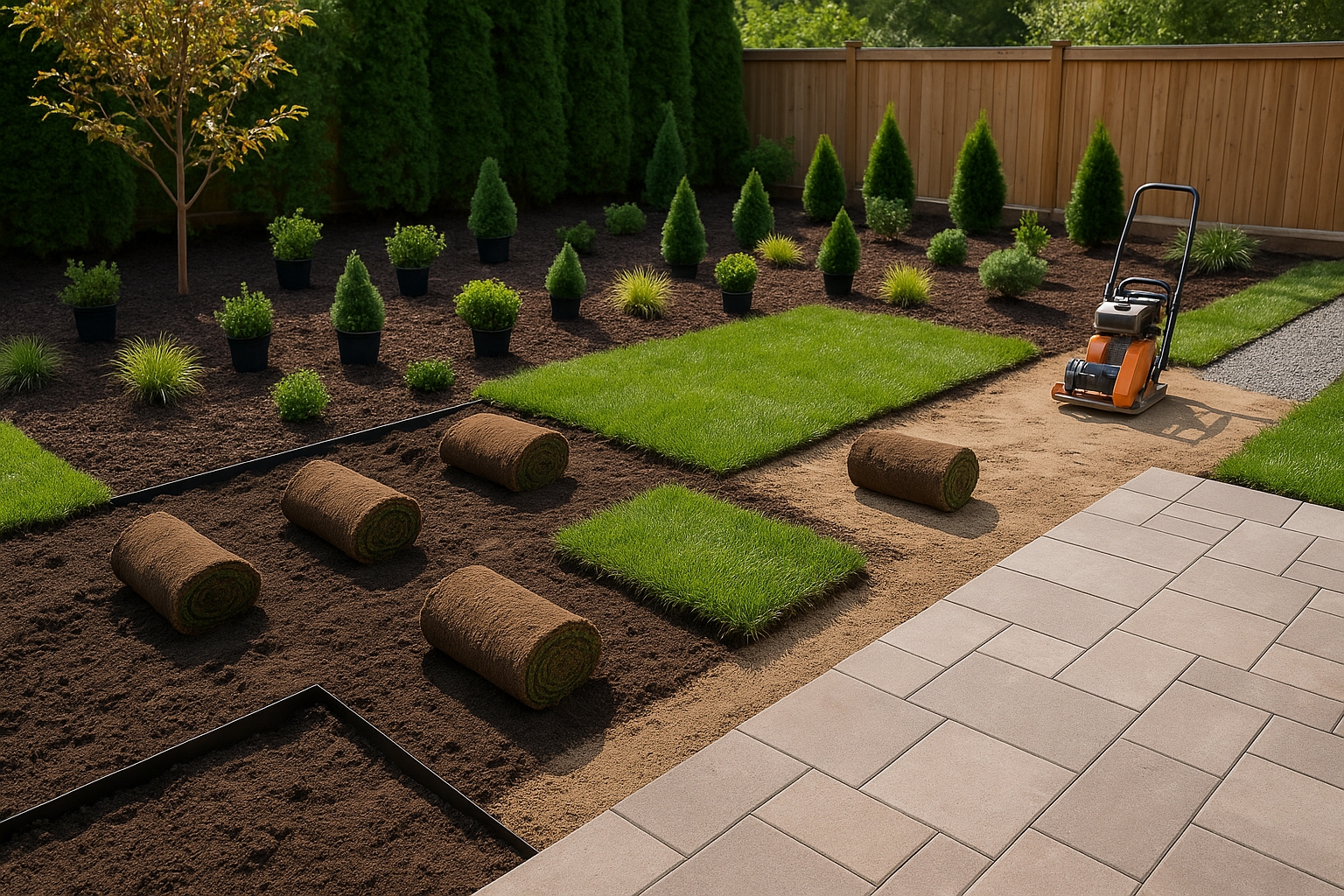
Installing a landscape that looks great and stands the test of time takes more than picking pretty plants. This landscape installation guide walks you through each step—from planning and site prep to planting, hardscaping, irrigation, and ongoing maintenance—so you can create an outdoor space that’s functional, beautiful, and resilient.
Planning and Design
Define Goals and Budget
Start by clarifying what you want: low-maintenance lawn, entertainment patio, pollinator garden, or all of these. Set a realistic budget and prioritize elements. Breaking the project into phases can help you manage costs and achieve quick wins.
Assess the Site
Survey sunlight patterns, soil type, drainage, existing plants, and utilities. Take photos and measurements. Note microclimates—areas that are hotter, cooler, windier, or damper—because plant selection and placement depend on them.
Create a Scaled Plan
Sketch a scaled plan showing hardscape features, beds, trees, and lawn areas. Use graph paper or a simple digital tool. Include access points for equipment and future maintenance. A clear plan prevents costly mistakes during installation.
Site Preparation
Clear and Grade
Remove weeds, unwanted vegetation, and debris. Grade the site to ensure proper drainage—direct water away from structures and avoid low spots where water can pool. Good grading reduces future erosion and root rot issues.
Soil Testing and Improvement
Conduct a soil test to determine pH, nutrient levels, and texture. Amend soil with compost, sand, or topsoil as needed. For planting beds, aim for loose, well-draining soil rich in organic matter. Healthy soil establishes healthy plants.
Material Selection
Plants
- Choose native and drought-tolerant species when possible—they’re adapted to local conditions and need less water and care.
- Mix trees, shrubs, perennials, and groundcovers for year-round interest and layered structure.
- Consider mature sizes to avoid overcrowding and future pruning headaches.
Hardscape Materials
Select pavers, natural stone, timber, or concrete based on style and durability. Pay attention to color and texture to complement the home. For high-traffic areas choose slip-resistant, low-maintenance options.
Hardscaping Installation
Foundations and Base Layers
Build a stable base for patios, walkways, and driveways. Use compacted gravel and a geotextile fabric where necessary to prevent settling and weed growth. Proper base layers save time and money on repairs later.
Retaining Walls and Edging
Install retaining walls to manage slopes and create usable terraces. Use edge restraints to separate beds and lawn for a clean look and easier mowing.
Planting and Soil Care
Planting Techniques
Dig holes twice as wide and just as deep as the root ball. Loosen roots if they’re circling and set the plant so the root flare is slightly above grade. Backfill with native soil amended with compost and water thoroughly to settle the soil.
Mulching
Apply 2–3 inches of organic mulch around plants, keeping it a few inches away from trunks and stems. Mulch conserves moisture, moderates soil temperature, and suppresses weeds.
Irrigation and Drainage
Watering Strategy
Install efficient irrigation—drip for beds and soaker hoses for shrubs—to deliver water to roots with minimal waste. Use timers or smart controllers to adjust schedules seasonally.
Address Drainage
Ensure gutters, downspouts, and grading direct water away from structures. Consider dry creek beds, swales, or French drains for larger drainage challenges.
Lighting and Finishing Touches
Landscape lighting extends use into the evening and highlights key features. Focus on pathways, focal plants, and seating areas. Add finishing touches like seating, planters, and decorative elements to personalize the space.
Maintenance After Installation
Establish a Routine
Create a seasonal maintenance calendar: watering and fertilizing in spring, pruning in late winter or early spring, mulching in summer, and leaf cleanup in fall. Regular attention prevents small issues from becoming big problems.
Pest and Disease Monitoring
Inspect plants regularly for signs of pests or disease. Use integrated pest management (IPM) strategies: encourage beneficial insects, prune affected areas, and apply treatments only when necessary.
Troubleshooting and Tips
- If plants wilt after planting, check root depth, soil drainage, and water frequency—both under- and overwatering cause wilting.
- For uneven settling in patios, check base compaction and consider re-leveling or adding more base material.
- Keep a planting journal with dates, plant varieties, and performance notes to guide future decisions.
Conclusion
A thoughtful landscape installation blends good design, appropriate materials, and smart maintenance. Plan thoroughly, prepare the site correctly, and use proper planting and irrigation techniques to build a landscape that delivers beauty and function for years to come. Small upfront investments in planning and soil health pay off in easier care and better long-term results.