
Front Yard Lighting Ideas: Brighten Curb Appeal and Safety
Why front yard lighting matters
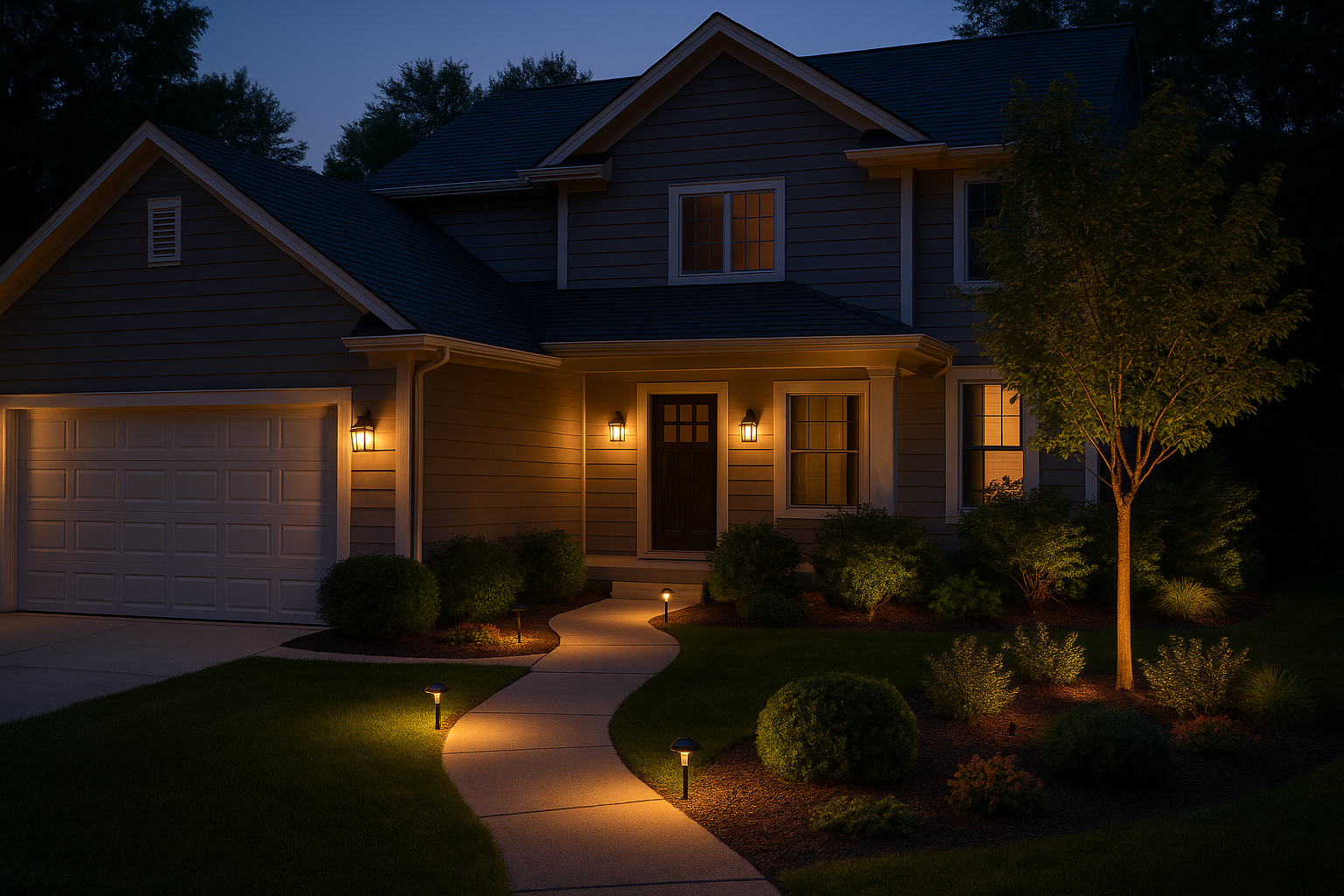
Front yard lighting is about more than just aesthetics. The right mix of lights increases safety, guides visitors, highlights landscaping and architecture, and adds a warm welcome after dark. With a few thoughtful choices, you can boost curb appeal and make your home more livable at night.
Design principles for effective front yard lighting
Layer your lighting
Good outdoor lighting uses layers: ambient light for general visibility, task lighting for walkways and steps, and accent lighting to draw attention to features like trees, porches or a stone wall. Combining layers creates depth and avoids flat, one-dimensional illumination.
Consider scale and proportion
Match fixture size and brightness to the space. Small path lights look lost on a wide driveway, while oversized fixtures can overpower a cozy porch. Think about the scale of trees, shrubs and architectural lines when selecting wattage and mounting height.
Choose the right color temperature
Color temperature affects mood. Warm white (2700K–3000K) feels inviting and highlights warm materials like brick or wood. Cool white (3500K–4000K) can be crisp and modern but may feel sterile if overused. For most residential front yards, a warm-to-neutral temperature works best.
Practical front yard lighting ideas
Pathway lights
Pathway lights are the foundation of front yard lighting. Low-voltage stake lights or bollards spaced every 6–10 feet provide safe navigation and a clear approach to your door. Use shields or directional fixtures to reduce glare and light spill into neighbors’ yards.
Spotlights and floodlights
Spotlights focus attention on features like a front façade or mature tree. Floodlights are better for broader illumination, such as driveways. Aim spotlights from below to create dramatic uplighting, but keep beam angles tight to avoid lighting the sky.
Uplighting trees and architectural features
Uplighting places fixtures at the base of a tree or column to cast light upward, emphasizing trunks, branches and textured finishes. Use multiple fixtures for large trees and vary angles to create dimension. For columns or porticos, a narrow, focused beam enhances architectural detail.
Accent lights for shrubs and flower beds
Low, subtle lights can give layers to garden beds without overpowering them. Use adjustable mini-spotlights or well lights tucked into mulch to softly wash a planting bed, revealing textures and seasonal blooms.
Step and porch lighting
In-step or riser lights on stairs improve safety and look polished. Porches benefit from sconces or pendant lights flanking the door, which create a welcoming focal point. Ensure porch fixtures are rated for outdoor use and scaled to the entry size.
Driveway and curb lighting
Illuminate the driveway with low bollards or recessed ground lights to prevent glare for passing drivers. Curb-level lighting makes your property boundary visible and can help with nighttime arrivals.
Silhouetting and shadowing
Silhouetting places a bright light behind a subject (like a tree) to create a striking outline against a house. Conversely, shadowing uses light placed in front of objects to cast dramatic shadows on a wall—both techniques add drama and artistic flair.
String lights and decorative fixtures
String lights can soften hardscapes and lend a festive, welcoming vibe. Use them sparingly over a porch or along a fence. Decorative lanterns and period-style posts can reinforce your home’s architectural style while serving a practical purpose.
Lighting technologies and energy tips
LED vs. halogen
LEDs are the smart choice: energy-efficient, long-lasting and available in many color temperatures. They produce less heat and often come in integrated fixtures, reducing maintenance. Halogen is brighter upfront but consumes more energy and shortens bulb life.
Solar lights
Solar lights are easy to install and have improved greatly. They’re best for low-traffic areas or supplemental accent lighting. For consistent performance, choose high-quality solar fixtures and ensure they receive several hours of direct sun daily.
Smart controls and timers
Use timers, photocells or smart controllers to automate your lighting. Motion sensors add security and conserve energy by activating lights only when needed. Scheduling and dimming features help create different moods for evenings and late nights.
Installation and safety tips
Placement and spacing
Test placement with a friend holding a flashlight before installing fixtures. Spacing depends on fixture type—path lights are typically 6–10 feet apart, uplights may be 8–15 feet from the subject. Always aim to avoid shining lights into neighbors’ windows.
Waterproofing and wiring
Use outdoor-rated fixtures and connectors. Low-voltage systems are safer for DIYers, but permanent wiring should be installed to code by a qualified electrician. Protect connections with weatherproof junction boxes and bury cables at the recommended depth.
Maintenance
Clean lenses, trim landscaping that blocks light, and check fixtures seasonally. Replace bulbs and batteries as needed, and inspect wiring after storms.
Conclusion
Front yard lighting transforms your home’s exterior—boosting safety, highlighting design, and creating curb appeal. Start with a simple layered plan, choose energy-efficient fixtures, and tailor accents to your landscape. Small changes can make a big nighttime impact.