
Landscape Drip Irrigation: Efficient Watering for Healthy Landscapes
What Is Landscape Drip Irrigation?
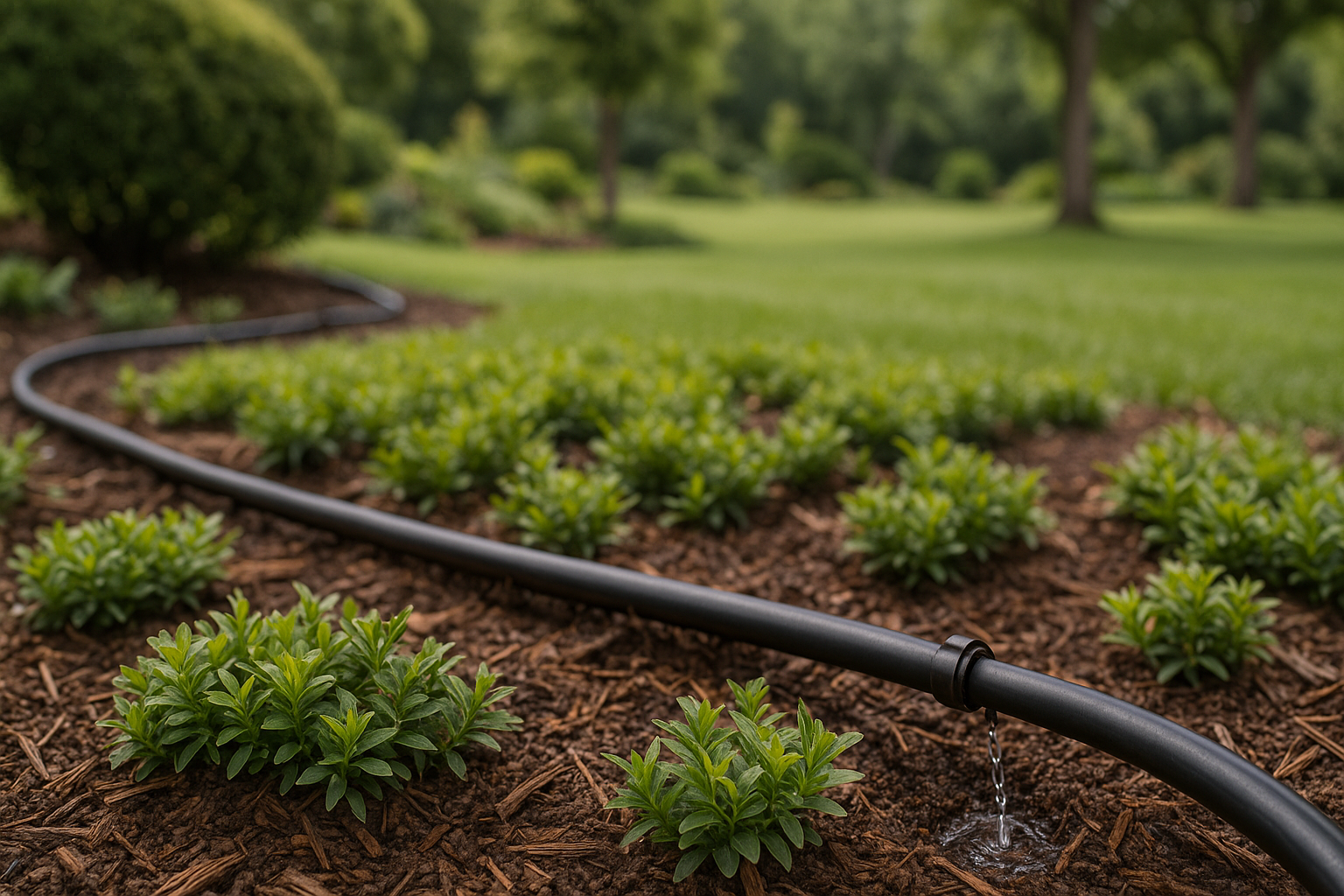
Landscape drip irrigation is a targeted, low-flow watering method that delivers water directly to the root zones of plants using a network of tubing, emitters, and valves. Unlike overhead sprinklers, drip systems reduce evaporation and runoff by applying water slowly and precisely, making them ideal for gardens, flower beds, trees, and shrubs.
Benefits of Drip Irrigation for Landscapes
Switching to drip irrigation offers several advantages for homeowners and landscapers:
- Water savings: By minimizing evaporation and overspray, drip systems can reduce water use by 30–60% compared with traditional sprinklers.
- Healthier plants: Watering at the root zone encourages deeper root growth and reduces fungal diseases caused by wet foliage.
- Flexibility: Systems can be customized to the needs of different plant types—lawns, shrubs, trees, and container gardens.
- Reduced maintenance: Automated timers and low-pressure operation mean less time spent manually watering.
Key Components of a Landscape Drip System
Understanding the basic parts helps you design and maintain an efficient system.
Main Line and Distribution Tubing
The main line connects to your water source and supplies water to distribution tubing, which snakes through planting areas. Tubing sizes typically range from 1/2″ for feeders to 1/4″ micro tubing that serves individual emitters.
Emitters and Drippers
Emitters regulate flow and deliver water to the soil. Options include fixed-rate drippers, adjustable drippers, and inline emitter tubing. Choose emitters based on plant water needs and soil type.
Pressure Regulator and Filter
Drip systems run at low pressure—usually 15–30 psi—so a pressure regulator protects emitters from damage. A filter prevents debris from clogging emitters and is essential when connecting to well or surface water sources.
Zoning Valves and Timers
Divide your landscape into zones with similar water needs (e.g., containers vs. shrubs). Automated timers or smart controllers allow you to schedule watering for each zone, improving efficiency and plant health.
Designing a Landscape Drip Irrigation System
A thoughtful design is the backbone of an efficient system. Follow these steps:
- Map your landscape: Note plant types, sun exposure, and soil differences.
- Group by water needs: Combine plants with similar irrigation needs into the same zone.
- Calculate flow: Add the flow rates of emitters in each zone to ensure your water source and tubing can handle the demand.
- Choose emitter types: Use higher-flow emitters for trees and low-flow or multiple emitters for shrubs and perennials.
- Plan layout: Run main tubing in unobtrusive lines and branch to emitters using microtubing or fitting assemblies.
Installation Tips
While many homeowners can install a drip system themselves, small details matter:
- Always install a pressure regulator and filter at the water source.
- Bury main tubing 1–2 inches or secure it with stakes to prevent sun damage and tripping hazards.
- Flush tubing before attaching emitters to remove debris.
- Use barbed fittings and clamps for secure connections.
- Label zones and keep an accessible shut-off for maintenance.
Maintenance and Winterizing
Routine checks keep systems running well:
- Inspect emitters seasonally for clogs or damage.
- Replace cracked tubing or worn fittings promptly.
- Flush lines periodically to remove sediment.
- Winterize in cold climates by draining lines or using compressed air to blow out water to prevent freezing damage.
Troubleshooting Common Problems
Typical issues are usually easy to fix:
- Low or no flow: Check the filter for clogs, ensure the valve is fully open, and inspect the pressure regulator.
- Uneven watering: Look for clogged emitters, broken tubing, or incorrect emitter placement; ensure the correct pressure for your emitters.
- Leaks: Replace or patch damaged tubing and tighten loose fittings.
Saving More Water with Smart Practices
Combine drip irrigation with these strategies to maximize water efficiency:
- Use a smart controller or soil moisture sensors to water only when needed.
- Mulch planting beds to reduce evaporation and maintain consistent soil moisture.
- Match emitter output to plant needs—fewer gallons per hour for drought-tolerant species, more for thirsty plants.
When to Call a Professional
If you have a large property, complex zoning needs, or are unsure about pressure and flow calculations, hiring a landscape irrigation specialist can save time and prevent costly mistakes. A pro can also integrate drip systems with existing sprinkler infrastructure or a smart home system.
Conclusion
Landscape drip irrigation is an efficient, adaptable way to water gardens, trees, and shrubs while conserving water and improving plant health. With the right design, installation, and seasonal care, a drip system delivers reliable results and long-term savings—whether you DIY or work with a professional.