
Smart Irrigation Controllers: Save Water, Time, and Money with Smarter Watering
What is a Smart Irrigation Controller?
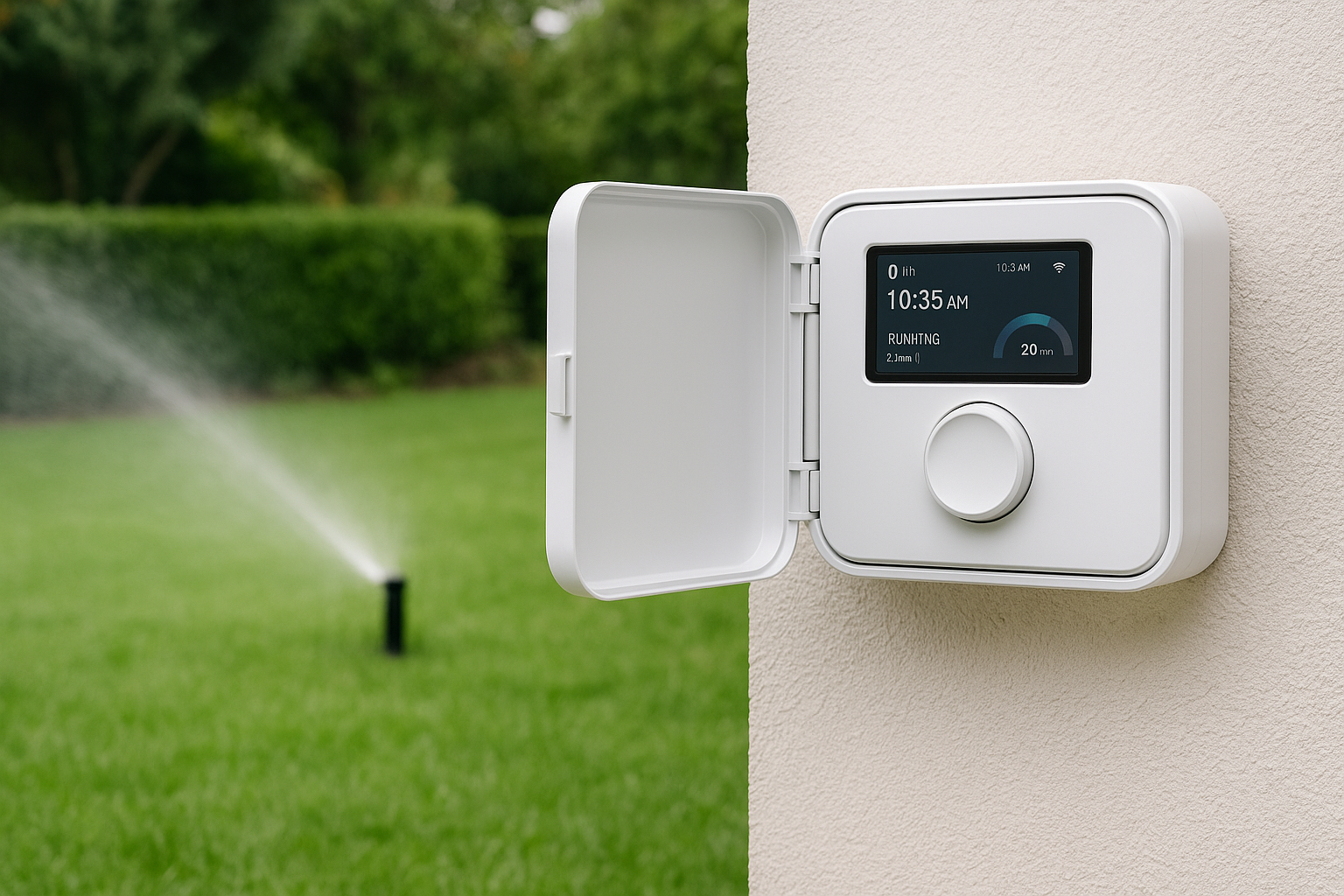
A smart irrigation controller is an advanced replacement for traditional sprinkler timers. Instead of following a fixed schedule, smart controllers use sensors, local weather data, and algorithms to adjust watering times and durations automatically. The result is healthier plants, lower water bills, and less manual tinkering.
How Smart Irrigation Controllers Work
Weather-based adjustments
Most smart controllers connect to online weather services or use on-site sensors to learn precipitation, humidity, temperature, and wind patterns. They pause or reduce watering when rain is expected or when soil moisture is sufficient.
Soil moisture and sensor inputs
Many systems integrate soil moisture probes or can accept input from separate sensors. These give direct feedback about the root zone so the controller waters only when necessary, avoiding overwatering or underwatering.
Remote access and automation
With Wi-Fi or cellular connectivity, homeowners can monitor and change schedules from a smartphone app. Some controllers also integrate with smart home systems, voice assistants, and irrigation dashboards for centralized control and notifications.
Key Benefits of Switching to a Smart Controller
- Water conservation: By adjusting to weather and soil conditions, smart controllers significantly reduce wasted water.
- Lower utility bills: Less water used means tangible savings on monthly bills, often recovering the device cost in a few seasons.
- Healthier plants: Consistent, appropriate watering encourages deeper root growth and fewer disease problems.
- Convenience: Remote scheduling and notifications eliminate the need to manually change timers or rush home to adjust settings.
- Compliance and rebates: Many municipalities offer rebates for installing water-efficient controllers, and local codes increasingly encourage weather-based systems.
Features to Look For
Weather and forecast integration
Choose a controller that accesses reliable weather data or supports local weather stations. The best models use both historical data and short-term forecasts to make precise adjustments.
Soil moisture monitoring
If you want the highest accuracy, pick a controller that supports soil moisture sensors. These systems irrigate based on actual ground conditions rather than estimates.
Zone-specific control
Look for multi-zone programming that allows different watering strategies for lawns, flower beds, trees, and vegetable gardens—since each area has unique needs.
Ease of installation and app design
Good software can make a big difference. Simple setup wizards, clear scheduling interfaces, and reliable mobile apps reduce frustration and help you get the most from the system.
Installation and Basic Setup
Many homeowners can install a smart controller in place of an existing timer in under an hour. Typical steps include shutting off the irrigation system, swapping wiring to the new controller, connecting to Wi‑Fi, and following the app’s setup flow to define zones and plant types.
If you’re uncomfortable with wiring or working around electrical components, a local irrigation contractor or handyman can usually complete the job quickly. Professional installation also helps if you plan to add soil sensors or modify valves.
Cost, Savings, and ROI
Smart controllers range from budget-friendly models to premium units with enterprise features. Expect to pay anywhere from $100 to $400 for the device, plus installation if you hire a pro. Savings on water bills vary by climate and landscape, but many homeowners recover the cost in 1–3 years due to reduced water use and rebates.
Common Mistakes to Avoid
- Not zoning properly: Group plants by water needs rather than by location alone. Mixing turf and drought-tolerant plants on one zone undermines efficiency.
- Ignoring sensor calibration: Soil sensors should be calibrated and placed in representative locations. Misplaced sensors can mislead the controller.
- Skipping software updates: Manufacturers regularly patch apps and databases; keeping firmware updated ensures proper weather integration and security.
- Overcomplicating schedules: Start simple. Let automatic adjustments do the work, then tweak for microclimates or special plant needs.
Is a Smart Controller Right for You?
If you care about conserving water, reducing utility expenses, or simplifying landscape maintenance, a smart irrigation controller is one of the most impactful upgrades you can make. They’re especially valuable in regions with variable weather, water restrictions, or expansive landscapes where manual scheduling is time-consuming.
Conclusion
Smart irrigation controllers turn guesswork into data-driven decisions. By combining weather intelligence, sensor feedback, and convenient remote control, these devices save water, lower costs, and keep landscapes healthier with less effort. Whether you’re upgrading an older system or planning a new installation, choosing the right features and following best practices will maximize long-term benefits.