
Retaining Wall Cost: What to Expect and How to Save
Understanding Retaining Wall Cost: An Introduction
Retaining walls can transform a yard—prevent erosion, create usable terraces, and add curb appeal. But how much do they cost? The price varies widely depending on materials, height, site conditions, and labor. This guide breaks down the real costs and helps you make an informed decision that fits your budget and landscape goals.
Key Factors That Affect Retaining Wall Cost
Before getting a quote, understand what drives price so you know where to focus savings or justify splurges.
Material Choice
Material is one of the biggest cost drivers. Common options include:
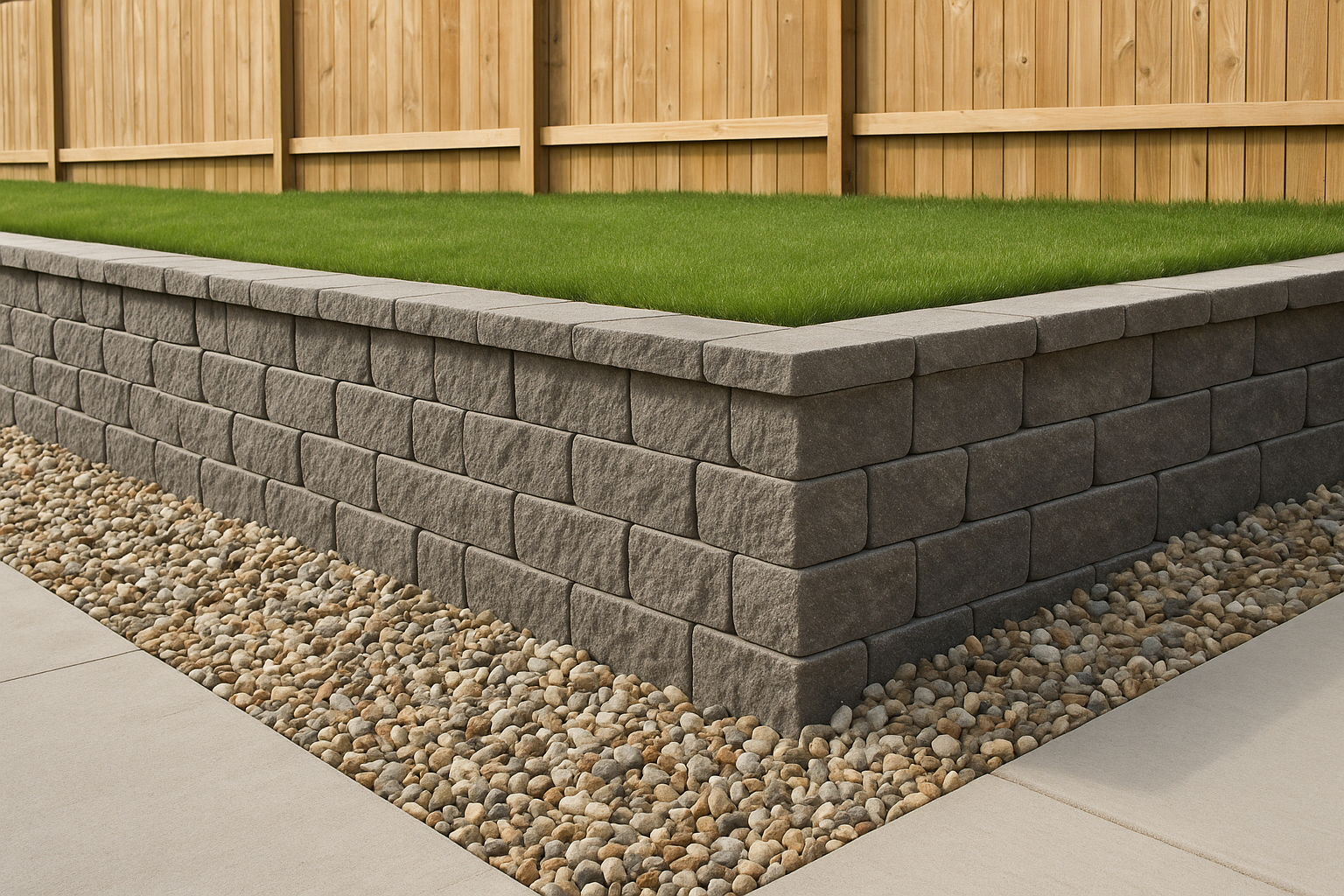
- Concrete block: Moderate cost, durable, good for modern styles.
- Poured concrete: Higher cost, very strong, customizable finishes.
- Natural stone: High-end look and price, often labor-intensive.
- Timber: Lower upfront cost but shorter lifespan.
- Gabion: Wire baskets filled with rock—unique look, mid-range cost.
Wall Height and Length
Taller and longer walls use more material and require more structural work (footings, reinforcement, drainage). Many contractors price by linear foot for shorter garden walls but switch to square foot or project-based pricing for higher structures.
Site Conditions and Accessibility
Rocky soils, steep slopes, poor access for equipment, or the need to remove trees/roots all increase labor time and cost. Tight urban lots may require more manual work, which is pricier than machine-assisted jobs.
Drainage and Foundation Work
Proper drainage (weeping pipes, gravel backfill, geotextile fabric) and footings or deadmen anchors are essential for longevity. Cutting these corners will reduce initial cost but invite failure and expensive repairs.
Permits and Engineering
Local building codes sometimes require permits, engineering plans, or inspections—especially for walls over a certain height (commonly 3–4 feet). Permit fees and engineer drawings add to the project cost.
Typical Cost Estimates by Material
Prices vary by region and contractor, but these ballpark figures help you plan. Costs shown are per linear foot for common small-to-medium residential walls.
Concrete Block
$25–$60 per linear foot. Blocks are efficient for retaining soil and can be capped or finished for a cleaner look.
Poured Concrete
$50–$120 per linear foot. Best for tall walls or custom shapes; includes formwork and reinforcement.
Natural Stone
$60–$150 per linear foot. Attractive and durable but heavy and labor-intensive to install.
Timber
$20–$50 per linear foot. Budget-friendly short-term solution; pressure-treated wood resists rot but will eventually need replacement.
Gabion
$40–$100 per linear foot. Faster to assemble, great for rustic or industrial landscapes, and good for drainage.
Additional and Hidden Costs
Plan for these extras so your budget isn’t caught off-guard:
- Site prep (grading, tree removal, hauling debris)
- Subsoil or rock removal
- Drainage improvements beyond the wall (diverting run-off)
- Finish work (capstones, planting, lighting)
- Tax, permit fees, and inspector charges
DIY vs Hiring a Pro
Smaller decorative walls (under 3 feet high) can be DIY projects for handy homeowners, saving labor costs. But structural walls retaining significant loads or supporting driveways should be designed and built by professionals to ensure safety and compliance.
When to DIY
- Short garden walls on flat sites
- Using interlocking blocks or gabions with straightforward instructions
When to Hire a Pro
- Walls over 3–4 feet high
- Poor soil, steep slopes, or next to structures
- Permits or engineered drawings required
How to Get Accurate Quotes
Collect multiple bids and compare apples-to-apples. Ask contractors for:
- Itemized estimates (materials, labor, drainage, permits)
- Timeline and payment milestones
- References and photos of completed work
- Warranty details
Provide clear measurements and photos of your site—this helps contractors give realistic bids and reduces change orders.
Tips to Save Money Without Sacrificing Longevity
- Opt for modular systems (interlocking block) for lower labor costs.
- Prioritize proper drainage and foundation—fixing failures costs far more than doing it right first.
- Phase the project: build the structural wall now and add premium finishes later.
- Source materials competitively and ask if contractors can use homeowner-supplied materials.
Conclusion
Retaining wall costs depend on material, height, site complexity, and workmanship. Budget realistically, prioritize drainage and foundation work, and get several detailed quotes. With the right planning you can achieve a durable, attractive wall that adds value and functionality to your property.