
November Landscaping Tips: Prepare Your Yard for Winter
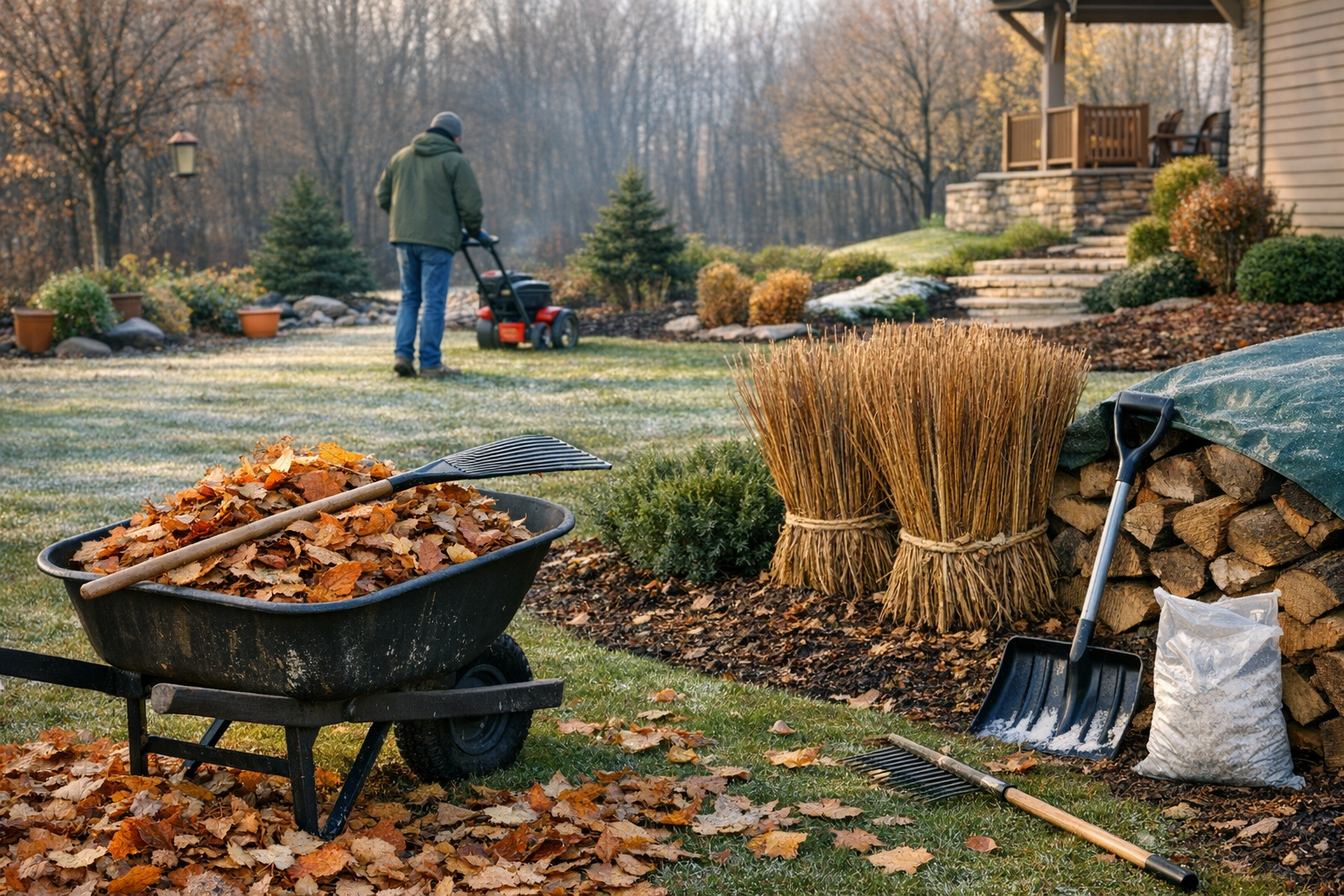
November is a month of transition in the garden. As temperatures drop and plants slow their growth, a little timely care can protect your landscape from winter weather and make spring cleanup easier. The right November landscaping tasks depend on your climate, so use local frost dates and plant needs as a guide. In colder regions, focus on winter protection; in milder areas, there may still be time to plant, tidy, and improve the soil.
Clean Up Leaves Without Clearing Everything Away
Fallen leaves can smother grass if they build up in a thick, wet layer, but they are also a valuable source of organic matter. Rather than bagging every leaf, choose the best approach for each part of your yard.
Mulch leaves on the lawn
Run a mulching mower over light leaf cover to chop it into small pieces. The fragments can filter down between grass blades and gradually return nutrients to the soil. If leaves are too deep to mulch easily, rake them off the lawn and use them in garden beds or add them to a compost pile.
Leave a little habitat
Some beneficial insects and other small wildlife use fallen leaves for shelter through winter. Keep leaves in suitable garden borders or beneath shrubs, while clearing paths, drains, and areas where a thick layer could encourage rot. Avoid piling leaves against the house or over delicate plants that need airflow.
Prepare the Lawn for Cold Weather
In many regions, November is a good time for a final lawn tidy before winter. Keep mowing while the grass is still growing, but raise the mower blade slightly for the last cut. Grass should be short enough to reduce matting, but not scalped. Remove leaves and fallen branches so they do not block light or trap moisture.
If the ground is still workable and your lawn needs it, late fall can also be a suitable time to aerate or overseed in cool-season climates. Avoid walking repeatedly on frozen or waterlogged turf, since compacted soil and damaged grass can be slow to recover. In warm-season regions, grass may already be dormant; follow local guidance rather than applying treatments intended for actively growing lawns.
Protect Trees, Shrubs, and Perennials
Cold winds, sudden temperature changes, and frozen soil can stress landscape plants. A few simple precautions can help them enter winter in better condition.
Water before the ground freezes
Dry soil can make it harder for roots to withstand winter, especially after a dry autumn. If rainfall has been limited, water trees and shrubs deeply before the ground freezes. Newly planted specimens usually need closer attention than established plants. Water at the base, and avoid leaving soil saturated.
Apply mulch thoughtfully
Spread a layer of shredded bark, leaf mold, or another suitable mulch over garden beds to help moderate soil temperatures and retain moisture. Keep mulch a few inches away from tree trunks and shrub stems. Piling it against bark can trap moisture and create a welcoming place for pests.
Use protection where it helps
Wrap young trees if they are prone to sunscald or animal damage, and use breathable coverings for shrubs exposed to harsh wind. Support or tie together multi-stem evergreens if heavy snow is likely, but avoid tightly binding branches. Remove covers when conditions improve so plants do not overheat or remain damp.
Plant Bulbs and Take Advantage of Mild Weather
In areas where the soil has not frozen, November may still be a good time to plant spring-flowering bulbs such as tulips, daffodils, and crocuses. Choose a spot with suitable drainage, plant bulbs at the depth recommended on the package, and water them in if the soil is dry. A cool period helps many spring bulbs develop properly, but planting windows vary by region, so check the guidance for your local climate.
In mild climates, fall is also a useful time to plant trees and shrubs because cooler weather can reduce heat stress while roots settle in. Make sure the plant is suited to your site and leave enough room for its mature size. Water new plantings consistently until the soil freezes or winter rains provide adequate moisture.
Prune Carefully and Skip Heavy Fall Fertilizing
November is a good time to remove dead, damaged, or diseased branches when they are easy to identify. Use clean, sharp tools and make cuts just outside the branch collar. Avoid major pruning unless a branch poses a safety risk. Many spring-flowering shrubs set their flower buds well before spring, and pruning them now may remove next season’s blooms.
For most established plants, avoid applying high-nitrogen fertilizer late in the season. It can encourage tender new growth that is vulnerable to frost. Instead, consider a soil test and plan any needed amendments for the season that best suits your plants and local conditions.
Finish Seasonal Maintenance and Plan Ahead
Before freezing weather arrives, disconnect and drain garden hoses, shut off exterior water lines where appropriate, and store pumps or irrigation equipment according to the manufacturer’s instructions. Clean, dry, and sharpen pruning tools and mower blades before putting them away. Check gutters and drainage areas so leaves do not divert water toward walkways or foundations.
November is also a useful time to take notes. Mark plants that need moving, record which areas stayed wet, and list gaps you would like to fill with flowers or shrubs. A few photos can help you remember how the garden looked before winter sets in.
Conclusion
Thoughtful November landscaping is less about doing everything and more about protecting what matters. Manage leaves, prepare the lawn, water and mulch as needed, and finish practical maintenance before hard freezes arrive. Adjust these tips to your local weather, and your landscape will be better prepared for winter and ready to grow when spring returns.