
Gravel Walkway Landscaping: Design, Installation, and Care
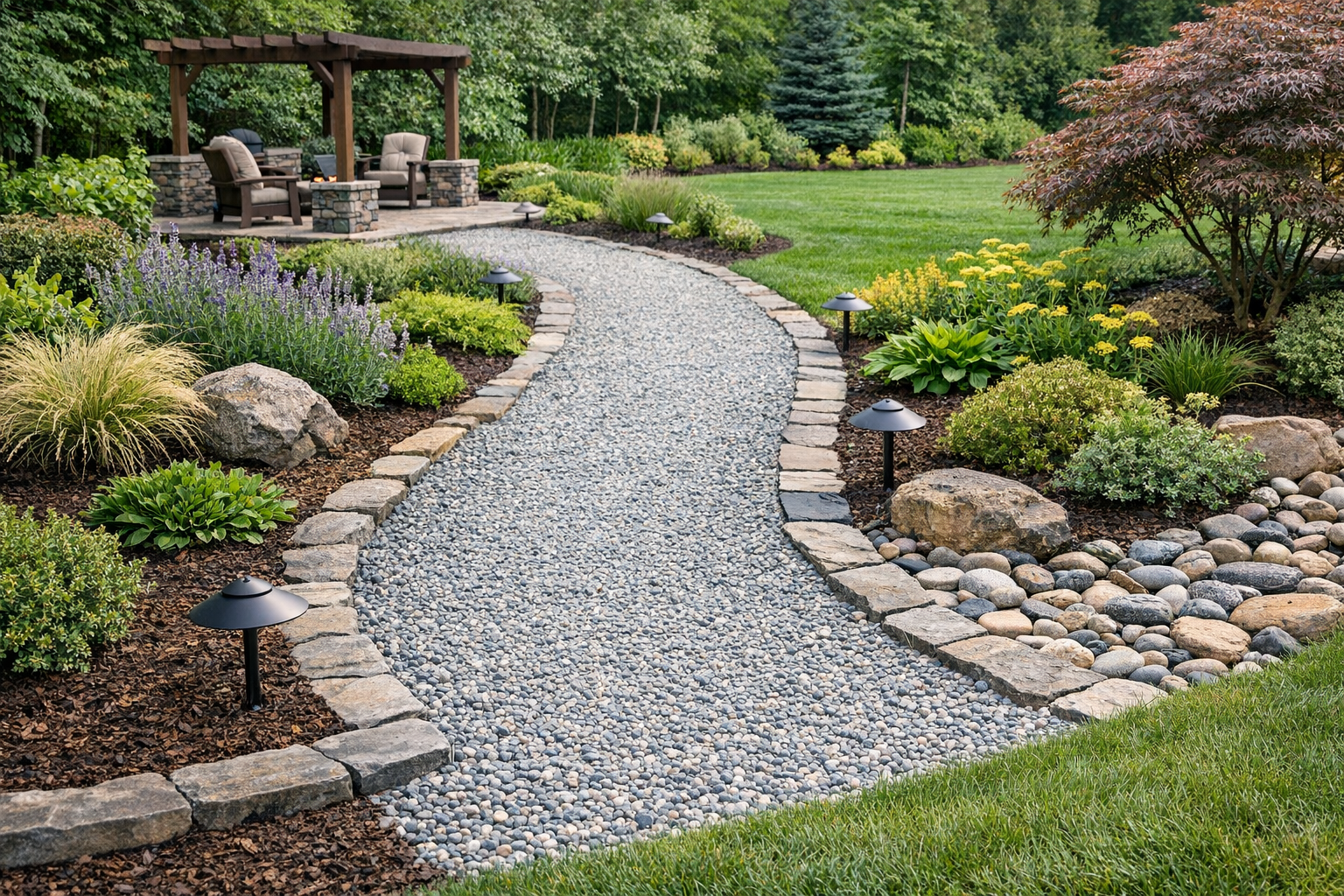
A gravel walkway can bring texture, charm, and practical access to your garden without the cost or permanence of poured concrete. Whether you want a winding path through flower beds or a simple route from the driveway to the front door, the right materials and preparation make all the difference. Use these gravel walkway landscaping ideas to plan a path that looks good, drains well, and stays easy to maintain.
Why Choose a Gravel Walkway?
Gravel is a flexible choice for many garden styles, from casual cottage landscapes to clean, modern yards. It comes in a range of colors and sizes, so you can coordinate the path with your home, planting, and other hardscape features. Compared with many solid paving materials, gravel is often affordable and relatively straightforward to install.
Another benefit is drainage. Water can pass between the stones instead of pooling on a sealed surface, which can be helpful in rainy areas. Gravel paths are also easy to reshape or extend as your landscaping changes. Keep in mind that loose stones can shift underfoot, so careful edging and a stable base are especially important for frequently used walkways.
Choose the Right Gravel
The best gravel for a walkway is comfortable to walk on, stable enough for regular use, and suited to the look you want. Smaller, angular stones tend to lock together more effectively than smooth, rounded pebbles. A material labeled as crushed stone, stone dust, or fine gravel may compact well, though the exact product names vary by location.
Consider Stone Size and Shape
For a walking surface, choose small stones that are easy to step on without feeling sharp or unstable. Angular gravel generally provides better footing than rounded river rock. Very large stones can be difficult to walk over, while extremely fine material may become dusty or wash away if it is not properly contained.
Match Color to the Landscape
Warm tan and buff gravel can complement brick, natural wood, and cottage gardens. Gray or charcoal stone often suits contemporary homes and provides contrast against bright flowers. Before ordering a large quantity, view a sample outdoors: stone colors can look different in sunlight, shade, and after rain.
Plan the Walkway Layout
Start by deciding where people need to go. A direct path works well between practical destinations, such as a gate and a patio. A gentle curve can feel more natural in a garden and encourage visitors to notice surrounding plants. Avoid tight turns that make the route awkward, and make sure the walkway leads to a clear, usable landing at each end.
For comfortable everyday use, aim for a path wide enough for people to walk without brushing against plants. A wider route may be useful near an entrance or where two people are likely to pass. Mark the proposed edges with a garden hose or landscape paint, then walk the route before digging. This simple check can reveal narrow spots or turns you might otherwise miss.
How to Install a Gravel Walkway
Prepare the Ground
Remove grass, weeds, roots, and loose organic material from the marked area. Excavate several inches, adjusting the depth to suit the soil, expected traffic, and the thickness of your base and gravel layers. Keep the finished surface slightly below nearby lawns or paving so stones do not scatter as easily. If the ground is uneven, shape it to encourage water to drain rather than collect on the path.
Add a Stable Base
For a more durable walkway, spread a compactable base material over the prepared soil and tamp it firmly. A hand tamper can work for a small path, while a plate compactor is useful for larger projects. Landscape fabric can help separate gravel from soil and reduce weed growth, but it does not replace removing existing weeds or building a solid base. Choose a permeable fabric designed for landscaping, and install it smoothly without gaps.
Install Edging and Finish with Gravel
Fit edging along both sides of the walkway before adding the top layer. Metal, stone, brick, and durable plastic edging can all help contain loose gravel; choose a style that suits the landscape and can handle local weather. Add the gravel evenly, then rake it smooth. A moderate layer is usually easier to walk on and maintain than a deep bed of loose stone.
Use Planting and Lighting to Complete the Design
Plants can soften the edges of a gravel path and make it feel integrated with the yard. Low-growing ground covers, ornamental grasses, and compact perennials are useful options, provided they will not spill into the walking area. Leave enough room for mature growth, and choose plants suited to the amount of sun and water available. Drought-tolerant choices can pair especially well with a free-draining path.
Path lights improve visibility after dark and highlight curves or garden features. Low-voltage or solar fixtures can be placed along the edges, but avoid lining them so closely that the walkway feels crowded. Keep lighting out of the main walking space and position it to reduce glare.
Gravel Walkway Maintenance and Common Mistakes
Rake the surface occasionally to even out footprints and redistribute displaced stones. Remove leaves and debris before they break down into the gravel, and pull small weeds as soon as they appear. Over time, you may need to add a fresh layer of gravel, especially in areas with heavy foot traffic or runoff.
Common problems often begin with rushed preparation. Installing gravel directly over grass can lead to weeds and an uneven surface. Skipping edging allows stones to spread into lawns and planting beds, while using unsuitable gravel can make the path uncomfortable or unstable. Check drainage, compact the base, and select materials with foot traffic in mind before installation.
Conclusion
A well-planned gravel walkway combines practical access with natural texture and flexible design. Choose comfortable gravel, prepare a firm base, and contain the path with reliable edging. With occasional raking and simple upkeep, your walkway can remain an attractive part of the landscape for years.