
Retainer Walls Near Me: Types, Costs, Permits and How to Find the Best Contractor
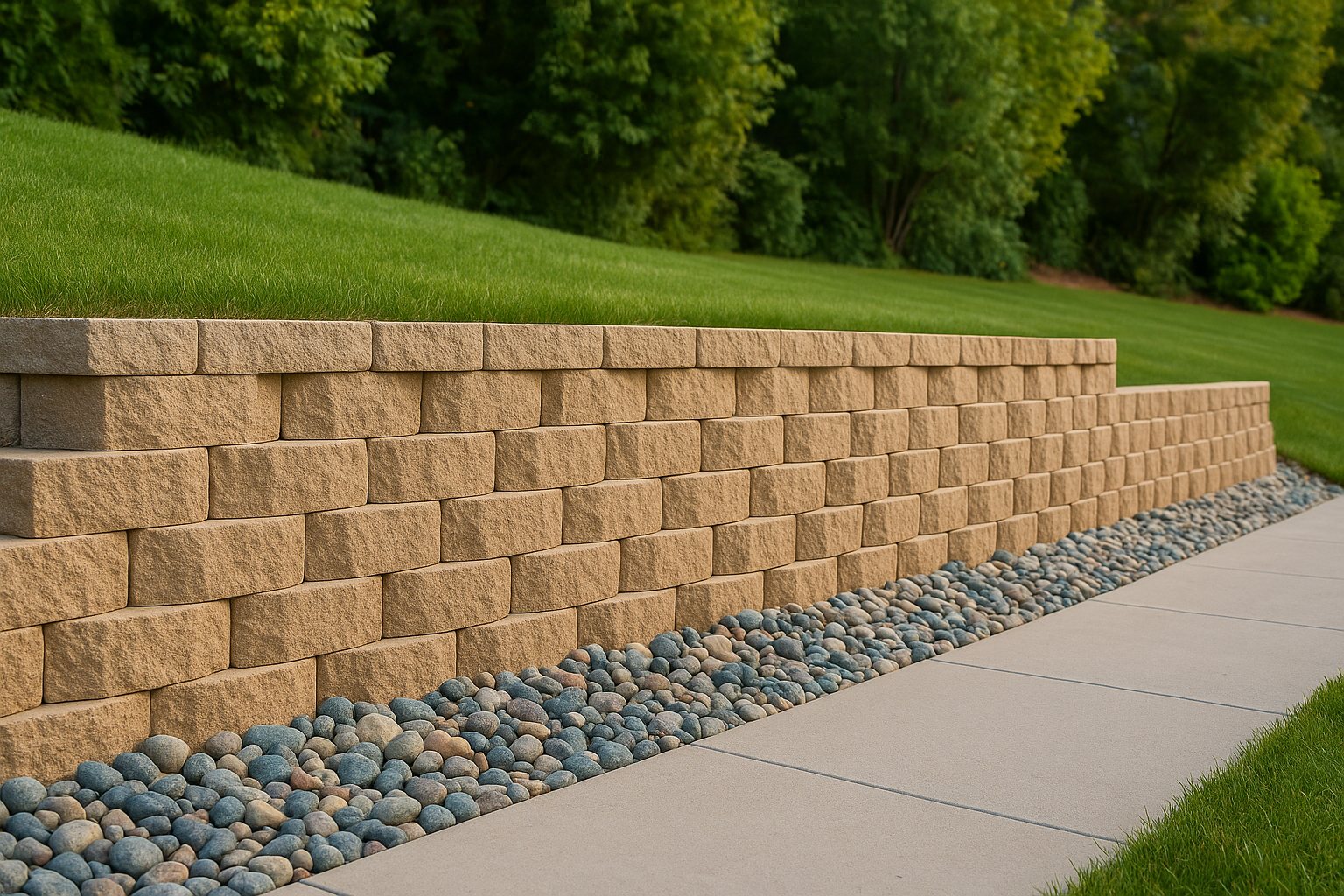
What is a retainer wall (and why you might search “retainer walls near me”)
When homeowners type “retainer walls near me” into a search bar they’re usually looking for a local solution to hold back soil, prevent erosion, or create level living spaces on a slope. A retainer wall—often called a retaining wall—is a structure designed to resist lateral soil pressure. Whether you’re building a raised garden bed, protecting a driveway, or stabilizing a hillside, a well-built retainer wall can protect your property and add usable landscape.
Retainer vs. retaining: terminology note
Some people say “retainer walls” interchangeably with “retaining walls.” If you use either term when searching locally, contractors will understand what you mean. The important part is describing the job, site conditions, and desired look when contacting professionals.
Common types of retainer walls
Not all retainer walls are created equal. The right type depends on height, soil conditions, drainage needs and aesthetics.
Gravity walls
Gravity walls rely on their mass (stone, concrete, or large blocks) to resist soil pressure. They are a good option for low to medium-height walls and add a natural look to landscapes.
Cantilevered concrete walls
Common in residential and commercial settings, these use reinforced concrete with a footing and provide strong support for taller walls without massive bulk.
Segmental retaining walls (SRW)
Made from interlocking concrete blocks, SRWs are popular for DIYers and pros because they’re modular, attractive, and effective for many situations.
Timber and sheet-pile walls
Timber walls are cost-effective for shorter heights and a rustic look, while sheet-pile (steel or vinyl) works well where access is limited or in waterfront situations.
Materials and finishes
Materials range from natural stone and brick to poured concrete and timber. Finishes and color choices let you match the wall to patio stones, home exterior, or garden beds. When searching for “retainer walls near me,” ask to see local portfolios—photos of past jobs give a feel for available finishes and craftsmanship.
Do you need a permit? What to check locally
One of the most common mistakes is assuming a permit isn’t required. Many municipalities regulate the height, drainage, and structural design of retainer walls. Before any work begins, check local building codes or ask a contractor near you to confirm permit requirements.
Drainage and safety
Proper drainage (weeping pipes, gravel backfill) prevents hydrostatic pressure that can fail a wall. For taller structures, an engineered design and inspection may be mandatory.
How to find the right contractor near me
Finding a reputable local contractor prevents headaches. Use these steps when evaluating bids:
- Search local listings and review platforms using keywords like “retainer walls near me” or “retaining wall contractor” plus your city.
- Ask for references and recent photos of completed projects in your neighborhood.
- Confirm licensing, insurance, and whether they handle permits and engineering if needed.
- Get at least three written estimates that detail materials, drainage, timeline and warranty.
Questions to ask
- Have you worked with this soil type or slope before?
- Who will handle drainage and inspections?
- What maintenance and warranty are included?
Typical costs and what affects pricing
Costs vary widely based on height, material, site access, and whether engineering is necessary. Expect something like:
- Low-height timber or block walls: lower cost per foot
- Segmental block or stone walls: mid-range
- Poured concrete with engineering: higher cost
Site prep, drainage systems, and landscape restoration add to the budget. A local contractor can give a site-specific estimate after inspection.
Maintenance and lifespan
Well-designed retainer walls last decades. Regular tasks include checking for settling, ensuring drainage outlets remain clear, and replacing mortar or backfill as needed. Some materials age better than others; for example, natural stone can last longer than untreated timber.
DIY vs hiring a pro
Small, low-height installations using segmental blocks might be a good DIY weekend project if you have basic skills. For taller walls, challenging slopes, or where failure would risk property or safety, hire a licensed contractor. The cost of a repair or replacement after a failed DIY wall often outweighs the savings.
Quick checklist before hiring
- Confirm local permit needs
- Verify insurance and licensing
- Ask for a detailed written contract
- Get a timeline and cleanup plan
- Request a warranty and maintenance guidance
Conclusion
Searching for “retainer walls near me” is the first step toward a safer, more usable landscape. By choosing the right type, confirming permits and drainage, and vetting local contractors, you’ll protect your property and create an attractive, long-lasting solution. If you’re unsure where to start, request a site visit from two or three local pros to compare options and pricing.