
Low-Maintenance Landscape Design: A Practical Guide to a Beautiful, Easier Yard
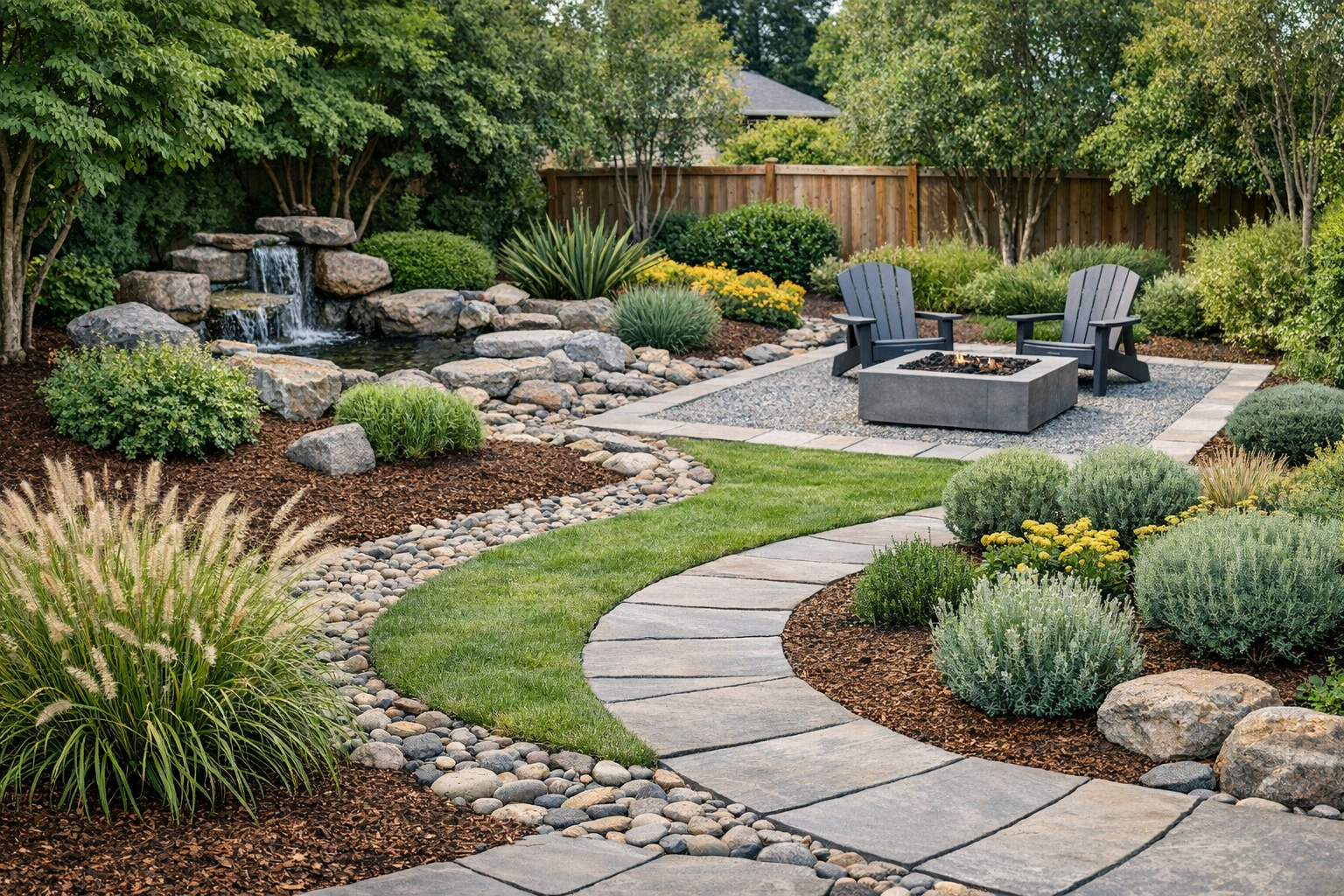
A beautiful yard does not have to demand hours of watering, weeding, pruning, and mowing. With thoughtful low-maintenance landscape design, you can create an inviting outdoor space that suits your climate and lifestyle while keeping routine care manageable. The key is to make smart choices up front: use plants that thrive where you live, simplify the layout, and work with your property’s natural conditions.
What Is Low-Maintenance Landscape Design?
Low-maintenance landscape design is a way of planning outdoor spaces to reduce ongoing work without sacrificing comfort or curb appeal. It does not mean eliminating plants or settling for a bare yard. Instead, it means choosing reliable materials and features that need less frequent attention once established.
Every property is different, so a low-maintenance yard should reflect your local climate, soil, sun exposure, and how you want to use the space. A garden that thrives with little care in a dry region may need different plants and watering strategies in a rainy one.
Start with a Simple Landscape Plan
Before buying plants or materials, take stock of your yard. Note areas of full sun and shade, slopes, drainage problems, and places where grass struggles. Think about which spaces you use often and which are mostly there to look attractive from the house or street.
A clear plan helps avoid adding features that create more upkeep than they are worth. Grouping plants into larger beds, for example, is usually easier to maintain than tending many small, scattered planting areas.
Choose the Right Plants for Your Climate
Native and climate-adapted plants are often excellent choices because they are suited to local conditions. Once established, many need less supplemental water and are more resilient to regional weather. Consider evergreen shrubs for year-round structure, perennials that return each season, and ground covers that fill bare soil.
Check each plant’s mature size before planting. Giving shrubs and trees enough room can reduce the need for frequent pruning and prevent overcrowding. A diverse mix of suitable plants can also attract pollinators and make the garden more resilient.
Group Plants by Their Water Needs
Place plants with similar watering requirements together. This approach, sometimes called hydrozoning, makes irrigation more efficient and helps prevent overwatering drought-tolerant plants while keeping thirstier plants healthy. Keep plants that need regular moisture closer to an easy-to-reach water source.
Reduce Lawn Where It Makes Sense
Lawns can be useful for play and recreation, but large expanses often require regular mowing, edging, watering, and feeding. Keep lawn only where you will use it, and consider replacing difficult or rarely used areas with planting beds, ground covers, or a patio.
If you want to keep grass, choose a variety suited to your climate and conditions. A practical lawn shape with gentle curves or straight edges is easier to mow than a design filled with narrow strips and tight corners. Mowing at the recommended height can also help grass develop stronger roots.
Use Hardscape to Add Structure
Patios, paths, seating areas, and decorative gravel can make a yard more functional while reducing the amount of space that needs mowing. Select durable materials that suit your home and climate. A well-placed path can also prevent foot traffic from compacting soil in garden beds.
Hardscape still needs occasional care, such as sweeping, rinsing, or removing weeds between pavers. Plan for proper drainage and a stable base during installation to help prevent settling and repairs later.
Make Watering and Weeding Easier
Efficient watering saves time and supports healthy plants. Drip irrigation or soaker hoses deliver water close to plant roots and can reduce waste compared with spraying an entire bed. A timer can make watering more consistent, but adjust the schedule for rainfall and seasonal changes. New plants usually need more attention while their roots establish.
Apply a layer of organic mulch around plants to help hold moisture, moderate soil temperature, and limit weed growth. Keep mulch a few inches away from trunks and stems to prevent moisture-related damage. Where appropriate, landscape fabric beneath gravel can reduce some weeds, but it may complicate future planting and does not eliminate maintenance altogether.
Design for Less Pruning and Seasonal Cleanup
Choose plants with a naturally tidy shape rather than relying on frequent trimming to keep them in bounds. Avoid placing fast-growing shrubs beneath windows, under eaves, or beside narrow walkways unless you are prepared to prune them regularly. Slow-growing, appropriately sized plants can save considerable time.
Consider how much seasonal cleanup you are comfortable doing. Deciduous trees provide shade but drop leaves, while evergreen plants may keep a yard looking structured through winter. Leave space for mature growth and choose trees with placement in mind, especially near paths, drains, and buildings.
Common Low-Maintenance Landscaping Mistakes
One common mistake is choosing plants based only on appearance. A plant that needs more water, sun, or space than your yard can provide may become a recurring problem. Another is planting too closely in the hope of creating an instant full garden; overcrowding often leads to more pruning and plant health issues later.
It is also easy to underestimate the upkeep of features such as ponds, intricate edging, or large areas of loose gravel. Before adding a feature, consider the cleaning, repairs, and seasonal care it will require—not just how it looks on installation day.
Conclusion
Low-maintenance landscape design starts with a yard that works with your climate, soil, and daily routine. Choose well-suited plants, simplify lawn and bed layouts, use water wisely, and allow room for everything to mature. With a little planning, you can enjoy an attractive outdoor space that asks for less work throughout the year.