
Arbors With Gates: Styles, Benefits, and Planning Tips
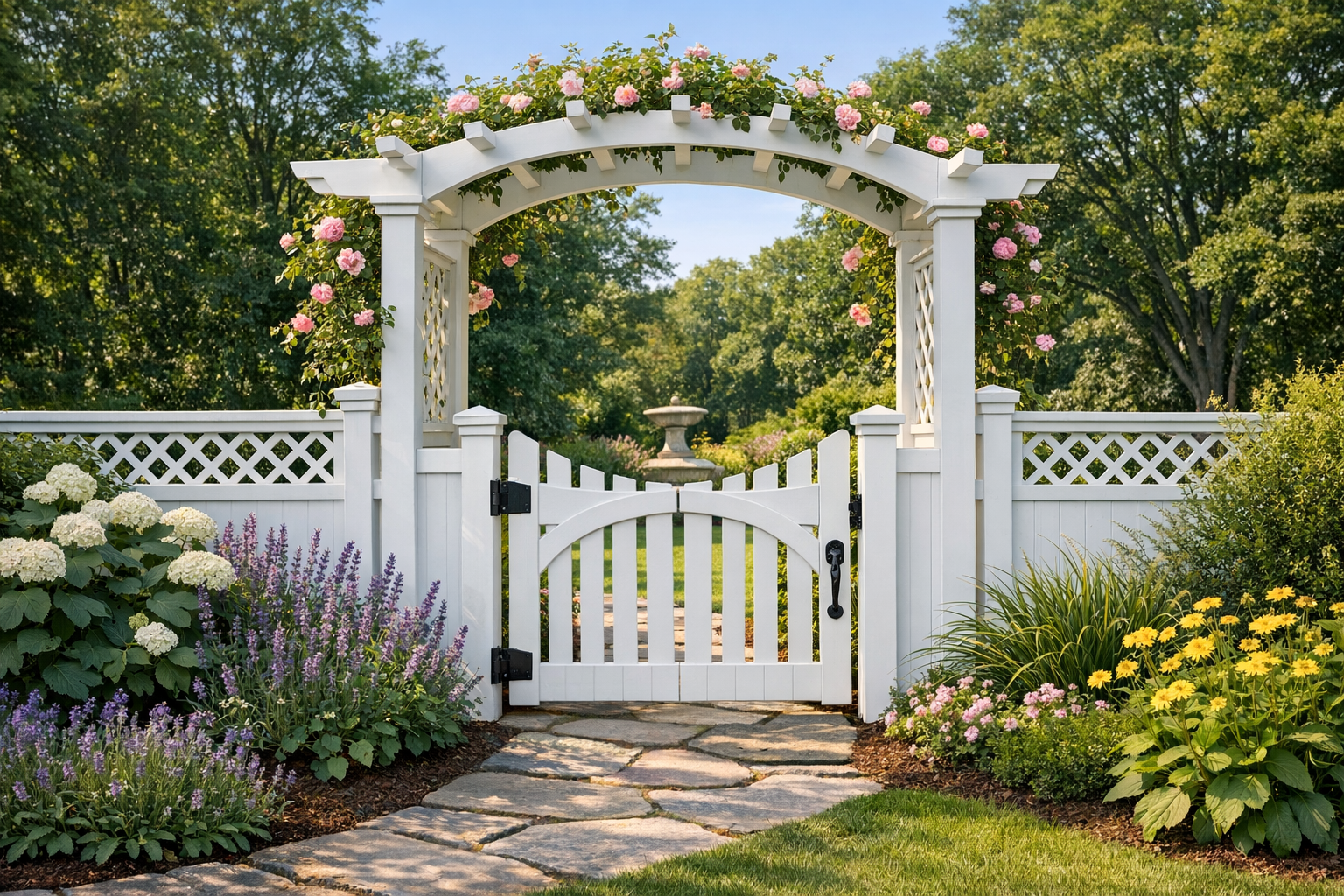
An arbor with a gate can turn a simple garden entrance into a welcoming focal point. It frames a path, adds a sense of arrival, and creates a natural place for climbing plants to grow. Whether your yard is large or compact, the right design can combine charm and everyday function without requiring a major landscaping project.
Before choosing a style, think about how you want the entrance to look and work. A gate might mark the boundary of a garden, add privacy, or simply make a walkway feel special. These practical considerations can help you select an arbor that suits your space and lasts for years.
What Is an Arbor With a Gate?
An arbor is an outdoor structure, usually made with two upright supports and an open or slatted top. When paired with a gate, it creates a defined entryway for a garden, patio, side yard, or backyard path. Some designs have a simple trellis-like frame, while others include a more substantial arch or pergola-style roof.
The gate may be attached directly to the arbor posts or installed within a larger frame. It can swing inward or outward, depending on the available space and how people use the entrance. Together, the arbor and gate provide a clear transition between areas while leaving the garden visible and inviting.
Why Choose an Arbor With a Gate?
A welcoming garden entrance
An arbor gives an entryway height and visual presence. It can draw the eye toward a path, flower bed, or outdoor seating area, making the garden feel thoughtfully arranged. A gate adds a finishing touch and can make a simple opening feel like a destination.
Added structure and privacy
A gated arbor can help separate a vegetable garden from the lawn or define a quieter area of the yard. It is not a substitute for a tall security fence, but it can provide a modest boundary and discourage casual access. The open framework also offers a degree of separation without making the space feel closed off.
Support for climbing plants
The sides and top can support flowering vines, foliage, or lightweight decorative elements. Roses, clematis, and honeysuckle are popular choices, though the best plant depends on your climate and the amount of sunlight the site receives. As plants mature, they soften the structure and add seasonal color.
Popular Styles and Materials
Arbors with gates are available in a wide range of looks, from rustic to contemporary. A traditional wooden arbor with a curved top suits cottage gardens, while a clean-lined metal frame can complement a modern landscape. Lattice sides offer extra growing space, and a simple open design keeps the entrance light and uncluttered.
Wood is a versatile choice that can be painted, stained, or left to weather naturally. Cedar and redwood are often selected for outdoor projects because they are naturally more resistant to decay than many untreated woods. Pressure-treated lumber can also be practical, but check that it is appropriate for the intended use and finish it according to the product guidance.
Metal arbors, including powder-coated steel or aluminum, can offer a slim profile and less routine upkeep. Vinyl is another low-maintenance option, though it may have fewer repair or customization choices than wood. Compare the gate, hinges, latch, and fasteners as carefully as the frame; outdoor hardware should be designed to resist corrosion.
How to Choose the Right Arbor and Gate
Measure the opening and nearby space
Start by measuring the entrance and the approach path. Allow enough width for people to pass comfortably, and consider whether you need room for a wheelbarrow, mower, or other garden equipment. If the gate swings, check that it will not hit a wall, planting bed, or step when opened.
Match the design to your landscape
Look at the home’s exterior, nearby fencing, and garden style. Repeating a material or finish can make the arbor feel connected to the rest of the property. For a small yard, an open-sided arbor with a narrow profile may preserve sightlines. In a larger garden, a wider structure can create a more dramatic entrance.
Consider the gate details
Choose a gate that is easy to open and close, with hinges suited to its weight. A simple latch may be enough for a decorative garden boundary, while a more secure latch can be useful around pets. Make sure the gate has clearance above the ground so it can swing freely, even if the path is uneven.
Installation and Placement Tips
Place the arbor where it naturally marks a transition, such as at the start of a walkway or between two garden zones. Before digging, check for buried utility lines and review local requirements for structures near property boundaries. Set the posts on a stable, level foundation appropriate for the soil, design, and local conditions. A larger or heavier arbor may need more substantial footings than a lightweight kit.
Follow the manufacturer’s assembly instructions if you are using a kit, and confirm that the frame is square before securing the gate. A gate that is out of alignment may drag, swing open on its own, or put unnecessary strain on its hinges. For a custom build or a challenging site, consider asking a qualified contractor or landscaper for help.
Care and Maintenance
Inspect the structure at least once a year, especially after harsh weather. Tighten loose fasteners, check posts for movement, and look for peeling finishes, rust, or signs of rot. Clean hinges and apply a suitable lubricant if the gate begins to squeak or stick. Keep soil, mulch, and dense vegetation from sitting directly against wooden posts, where moisture can linger.
Trim climbing plants so they do not crowd the gate or interfere with its movement. Heavy vines can add considerable weight, so avoid letting them overwhelm a lightweight frame. A little routine care helps the arbor remain attractive and keeps the entrance working smoothly.
Conclusion
An arbor with a gate can add beauty, structure, and practical definition to a garden entrance. Choose a design that fits your space, select durable materials and hardware, and plan the installation with the gate’s clearance in mind. With thoughtful placement and simple upkeep, it can become a charming feature you enjoy season after season.