
Retainer Walls for Gardens: Design, Materials, and Practical Tips
Introduction to Retainer Walls for Gardens
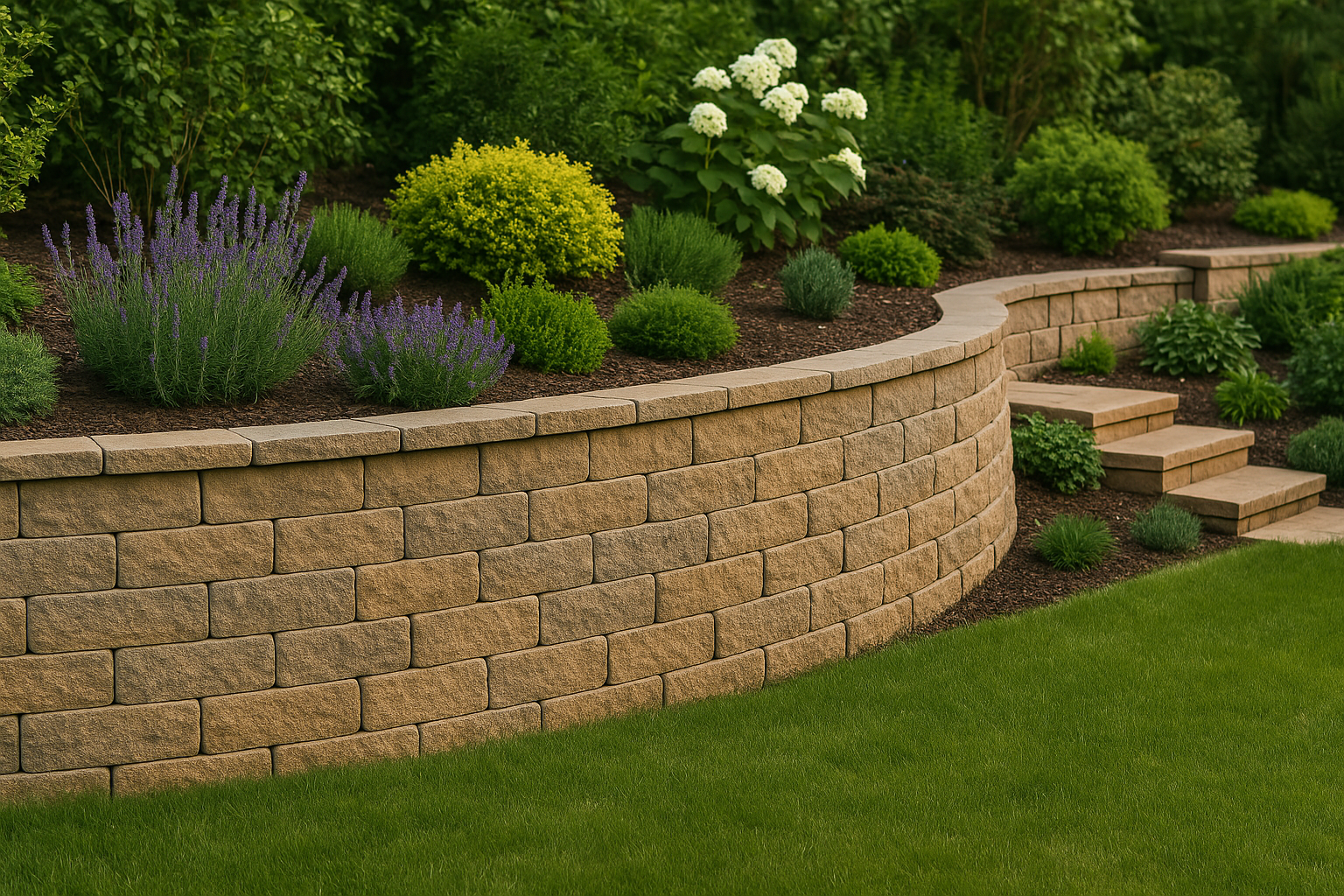
Retainer walls for gardens—more commonly called retaining walls—are one of the most effective landscaping features for managing slopes, creating usable planting terraces, and adding structure to outdoor spaces. Whether you want to stop soil erosion, build a raised bed, or create a dramatic garden tier, a well-designed retainer wall can transform your landscape.
Why Install a Retainer Wall?
Retainer walls serve both practical and aesthetic roles in the garden:
- Soil stabilization: They prevent soil from sliding on sloped properties and protect plants and structures downslope.
- Improved drainage: Properly built walls help direct water away from foundations and garden beds.
- Usable space: They create level areas for lawns, patios, and planting beds.
- Design focal points: Quality materials and workmanship add texture and interest to your outdoor space.
Types of Retainer Walls
Choosing the right type of retainer wall depends on site conditions, budget, and the look you want.
Gravity Walls
Gravity walls rely on their weight (stone, concrete, or heavy blocks) to resist soil pressure. They are simple to build for low heights and require minimal reinforcement.
Cantilevered Walls
Cantilevered walls are reinforced concrete structures with a footing. They are efficient for taller walls where additional strength is necessary.
Segmental Retaining Walls (SRW)
Interlocking modular blocks designed for landscaping. SRWs are popular because they’re relatively easy to install, flexible, and available in many finishes.
Timber and Sleeper Walls
Wood sleepers or treated timber are rustic and cost-effective for garden beds and short walls. They need proper treatment and drainage to last.
Gabion Walls
Wire baskets filled with rock create a rugged, permeable wall that’s excellent for drainage and industrial-chic design schemes.
Planning and Design Considerations
Good planning prevents failures. Key factors to assess before building:
- Height of the wall: Walls under 3 feet often need less engineering; taller walls usually require a structural engineer.
- Soil type: Clay, sand, and loam behave differently—some need better drainage or deeper foundations.
- Slope and load: Consider the slope behind the wall and any additional loads such as driveways or structures above.
- Local codes: Check building permits and setback rules—many municipalities have regulations on retaining structures.
Materials and Construction Basics
Material choice influences durability, cost, and appearance. Here are common options and construction tips:
Natural Stone
Stone offers a timeless look and excellent longevity. Dry-laid stone can allow drainage but needs careful fitting. Mortared stone is more stable for higher walls.
Concrete and Blocks
Concrete blocks and poured concrete provide strength and consistency. They are ideal where structural performance is a priority.
Timber
Use pressure-treated wood or naturally rot-resistant species like cedar. Ensure the timber is backfilled with coarse drainage material to extend life.
Drainage and Backfill
Never overlook drainage—it’s the most common reason walls fail. Use perforated pipe at the base, coarse gravel backfill, and geotextile fabric to keep soil from clogging drainage materials.
Maintenance Tips
- Inspect for bulging or cracking annually.
- Keep drainage outlets clear of debris and vegetation.
- Replace or re-level blocks and stones if settling occurs.
- Seal concrete or timber when recommended to increase longevity.
DIY vs Professional Installation
Smaller, low walls (under 2–3 feet) can often be tackled by experienced DIYers using modular blocks or timber. For taller walls, complex slopes, or where structural risk exists, hire a licensed contractor and, when necessary, a structural engineer to design footings, reinforcement, and drainage.
Cost Considerations
Costs vary widely: materials, wall height, site access, and soil removal influence the final price. Natural stone and poured concrete tend to be at the higher end, while timber and modular blocks may be more budget-friendly. Always get multiple quotes and consider long-term maintenance costs when choosing materials.
Design Ideas for Garden Integration
- Create tiered planting beds to separate microclimates and plant palettes.
- Incorporate seating ledges or steps into the wall design for function and flow.
- Use lighting along the top or base to highlight texture and improve safety.
- Mix materials—combine a stone wall base with a timber cap for contrast.
Conclusion
Retainer walls for gardens are a smart investment in both function and aesthetics. With the right materials, drainage, and planning, a wall can control erosion, expand usable space, and become a standout feature in your landscape. Evaluate your site carefully, weigh DIY options against professional help, and prioritize drainage to ensure a lasting result.