
Improving Soil Drainage: Practical Steps for Healthier Gardens
Why Good Soil Drainage Matters
Good drainage keeps roots healthy, prevents root rot and fungal disease, and helps plants access oxygen and nutrients. Whether you are growing a vegetable patch, a lawn or ornamentals, improving soil drainage can dramatically increase plant vigor and reduce maintenance problems.
Signs of Poor Drainage
- Standing water after light rains or slow drying of soil
- Yellowing leaves, stunted growth, or wilting despite moist soil
- Foul odors in the soil or mushrooms and algae on the surface
- Compacted soil that resists digging and crumbles poorly
Test Your Soil
Simple drainage test
Dig a hole about 12 inches deep and fill it with water. Let it drain, then refill and time how long it takes to drain by one inch. Faster than one inch per hour usually indicates good drainage; much slower suggests you need to intervene.
Check texture and structure
Rub a moist sample between your fingers. Sandy soils feel gritty and drain quickly. Clay feels sticky and holds water. Loamy soils are ideal. Soil structure and compaction matter more than texture alone.
Practical Fixes to Improve Drainage
Choose one or more approaches based on how severe the issue is. Small adjustments can help marginally wet spots, while chronic ponding may require installation work.
Add Organic Matter
Incorporating compost or well-rotted manure improves structure, increases pore space and encourages beneficial organisms. Aim for 2 to 4 inches of compost incorporated into the top 6 to 8 inches of soil for garden beds. Organic matter also helps sandy soils retain moisture and clay soils drain better by creating crumbly aggregates.
Use Coarse Grit or Sharp Sand Carefully
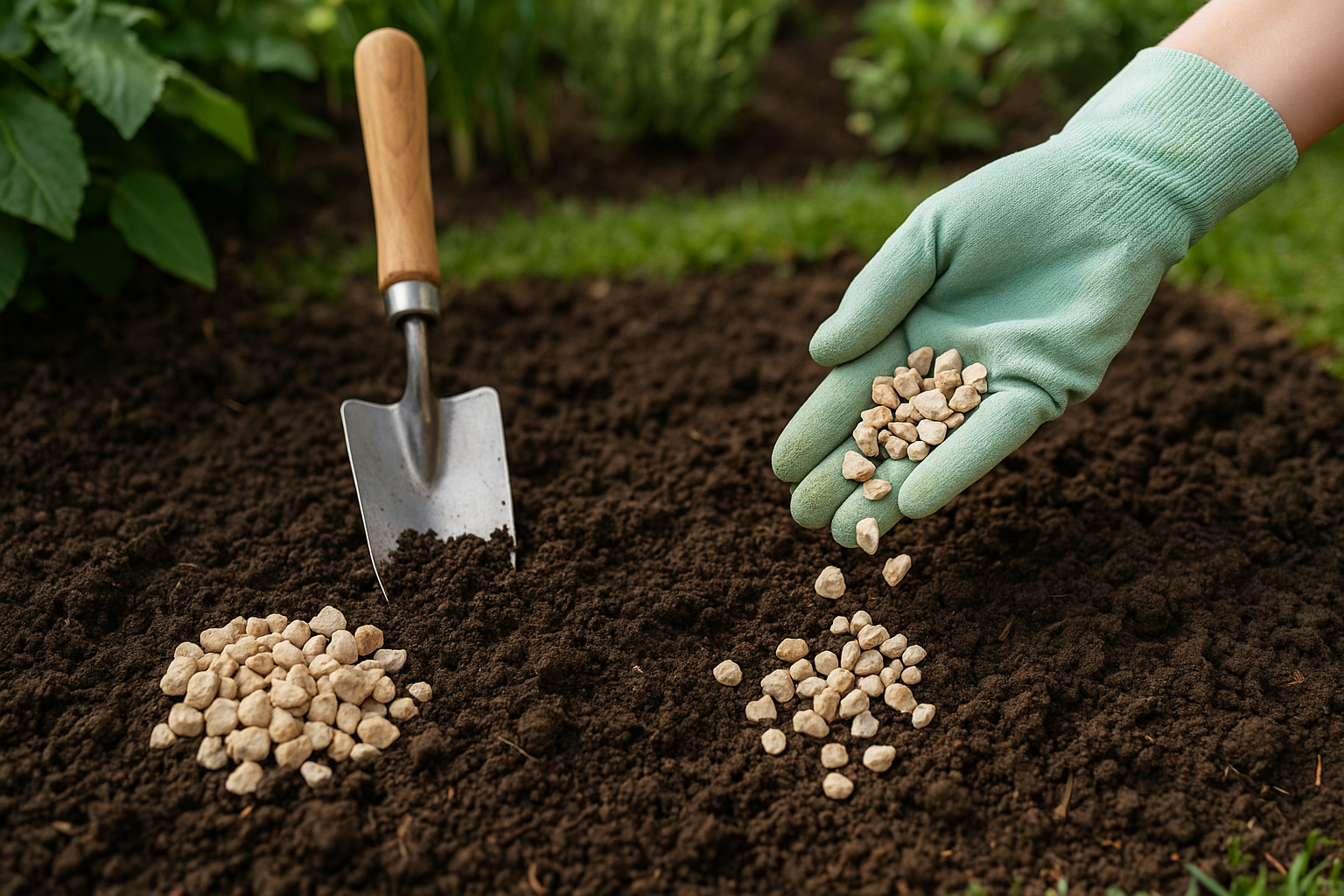
Mixing coarse grit or horticultural sand into heavy clay can help, but it must be mixed thoroughly. Avoid using fine builder sand, which can make compaction worse. A general approach is 1 part grit to 2 to 4 parts soil, but local soil conditions vary. If unsure, test a small area first.
Install a French Drain or Subsurface Drainage
For serious standing water, a French drain directs excess water away from problem areas. Dig a trench that slopes away, line with landscape fabric, add a perforated pipe, and cover with gravel. Always call utility services before digging and consider hiring a pro for large projects.
Create Raised Beds and Berms
Raising the root zone above native soil is often the easiest solution. Build raised beds with 12 inches or more of well-draining mix. Berms can be used to redirect surface water or create planting zones where drainage is better.
Aerate to Reduce Compaction
Lawns and heavy-traffic garden paths compact over time. Core aeration in spring or fall opens channels for water and air. For small beds, use a garden fork to lift and loosen the soil periodically.
Choose Plants That Tolerate Wet Conditions
If drainage improvement is limited, select water-tolerant species. Plants like iris, ligularia, and some willows thrive in moist soils. Use wet-tolerant groundcovers in persistent low spots to reduce maintenance and erosion.
Create a Rain Garden or Swale
Rather than fighting water, capture it. Rain gardens are shallow depressions planted with moisture-loving natives that absorb runoff. Swales are gentle channels that move water to areas where it can infiltrate without pooling.
Maintenance Tips to Keep Drainage Working
- Topdress beds with compost annually to maintain structure.
- Avoid heavy machinery and foot traffic on wet soil to prevent compaction.
- Keep gutters and downspouts directed away from foundation and beds.
- Inspect drainage pipes and gravel pits seasonally for clogs.
When to Call a Professional
If water is damaging structures, flooding repeatedly, or if you need a complex drainage system designed, consult a landscaper or civil engineer. Professionals can provide grading plans, install reliable drains and verify compliance with local codes.
Conclusion
Improving soil drainage is often a mix of small changes and targeted interventions. Start by diagnosing the problem, amend soil with organic matter, use smart planting choices, and escalate to drainage systems only if needed. With the right approach, you can transform waterlogged patches into productive, healthy planting areas.