
Security Landscape Lighting: Bright Ideas for Safer, More Attractive Properties
Why Security Landscape Lighting Matters
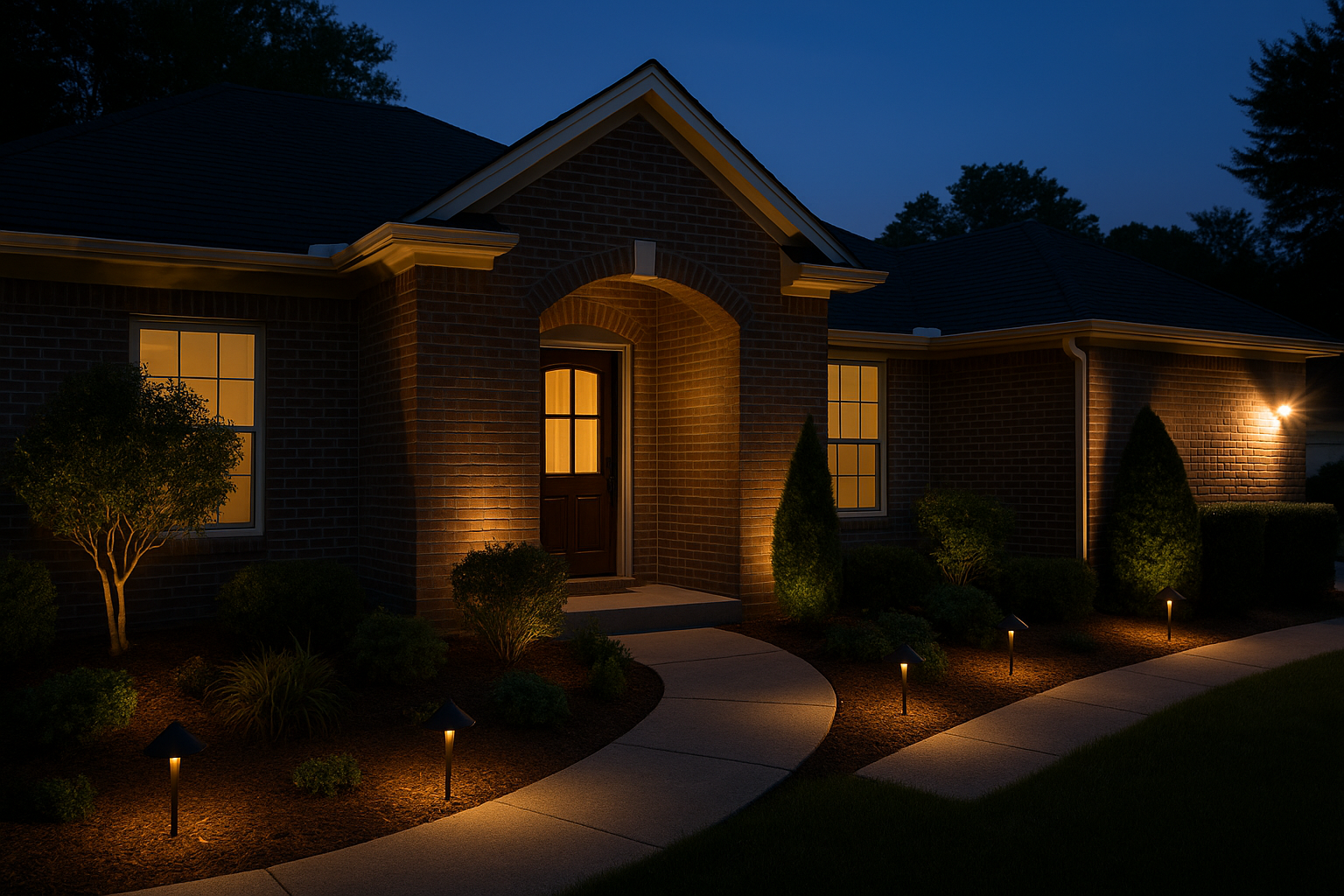
Security landscape lighting is more than just a way to show off a beautiful yard at night. Thoughtfully designed outdoor lighting improves safety, deters intruders, reduces accidents, and enhances curb appeal. When done right, it creates a welcoming atmosphere while protecting the people and assets on your property.
Key Benefits
- Deterrence: Well-lit entrances, driveways, and perimeters make properties less appealing targets for theft or vandalism.
- Safety: Clear illumination of steps, pathways, and entry points reduces slips, trips, and falls.
- Visibility: Proper lighting improves camera coverage and sight lines for homeowners and neighbors.
- Value and Aesthetics: Security lighting can boost curb appeal and resale value when balanced with good design.
Types of Security Landscape Lighting
Floodlights
Floodlights deliver broad beams for large areas like yards, driveways, and garages. Motion-activated floodlights are particularly effective because sudden illumination surprises intruders and alerts occupants.
Motion-Activated Lights
These are energy-efficient and provide sudden illumination only when needed. They’re excellent for entryways, side yards, and areas where constant lighting would be excessive.
Path and Step Lights
Path lights guide visitors and prevent accidents. Low, directional fixtures reduce glare and help cameras distinguish silhouettes from background lighting.
Accent and Wall Wash Lighting
Accent lights highlight architectural elements and landscape features while adding ambient light to areas near doors and windows without creating harsh glare.
Solar and Low-Voltage LED Options
Solar lights are easy to install and work great in sunny locations. Low-voltage LED systems offer longevity, low heat output, and flexible design for integrated security setups.
Design Principles for Effective Security Lighting
Layer Your Lighting
Use ambient, task, and accent lighting together. Ambient light covers general areas, task lighting focuses on pathways and entrances, and accent lighting adds depth and eliminates dark hiding spots.
Avoid Glare and Light Pollution
Direct glare can reduce visibility and irritate neighbors. Use shields, cut-off fixtures, and proper beam angles to keep light where you want it and out of bedrooms and the night sky.
Create Contrast
Security lighting should create contrast between lit and shadowed areas. Too much uniform brightness reduces depth perception and makes it harder to detect movement.
Strategic Placement
Place lights to cover key vulnerabilities: all exterior doors, garage, driveway, major walkways, and dark corners near windows. Overhead placements reduce shadowed hiding spots.
Choosing the Right Fixtures and Technology
LED vs. Traditional Bulbs
LEDs are the best choice for security lighting: they use less energy, last longer, and produce consistent, bright light. Choose LEDs with good color rendering (CRI) for clearer camera footage.
Motion Sensors and Camera Integration
Pair motion-activated lights with cameras and smart alerts to get real-time notifications. Cameras paired with focused lighting produce clearer footage for identification.
Smart Controls and Timers
Smart lighting systems let you schedule lights, adjust brightness remotely, and set scenes that mimic occupancy. This adds a powerful layer of passive security when you’re away.
Power Sources
Decide between hardwired low-voltage systems for reliability or solar for easy, off-grid installations. Hardwired systems are better for high-traffic areas and camera-ready installations.
Installation Tips and Best Practices
Placement Examples
- Front and back doors: overhead and angled lights for face recognition.
- Driveways and garages: motion floodlights and side lighting to detect vehicles and people.
- Walkways and steps: low-level path lights or recessed step lights to prevent trips.
Height, Angle, and Aim
Mount lights high enough to reduce tampering but angled down to limit light spill. Use spot shields to direct beams and prevent blinding pedestrians or neighbors.
Wiring and Safety
Hire a qualified electrician for hardwired installations, especially when integrating cameras, sensors, and timers. Follow local codes and use weather-rated fixtures for outdoor longevity.
Maintenance
Clean lenses, trim vegetation that blocks light, and test sensors seasonally. Replace bulbs or batteries promptly to maintain continuous protection.
Balancing Security, Aesthetics, and Neighbor Considerations
Be Considerate
Avoid shining bright lights into neighbors’ windows. Use directional fixtures and timers to keep lighting effective but unobtrusive.
Choose the Right Color Temperature
Warm white (2700K–3000K) feels inviting and reduces skyglow, while cooler temperatures increase perceived brightness but can be harsh. For security, 3000K is a good compromise.
Make It Subtle
Security lighting doesn’t need to be glaring. Layered, well-aimed fixtures give protection while preserving the character of your home and garden.
Conclusion
Security landscape lighting is a powerful, cost-effective way to protect your property while enhancing curb appeal. By choosing the right fixtures, placing them thoughtfully, and integrating smart controls, you can create a safe, attractive night-time environment. If you’re unsure where to start, consult a lighting professional to design a system that fits your security needs and aesthetic goals.