
Landscaping Around Ponds: Practical Design, Planting, and Care Tips
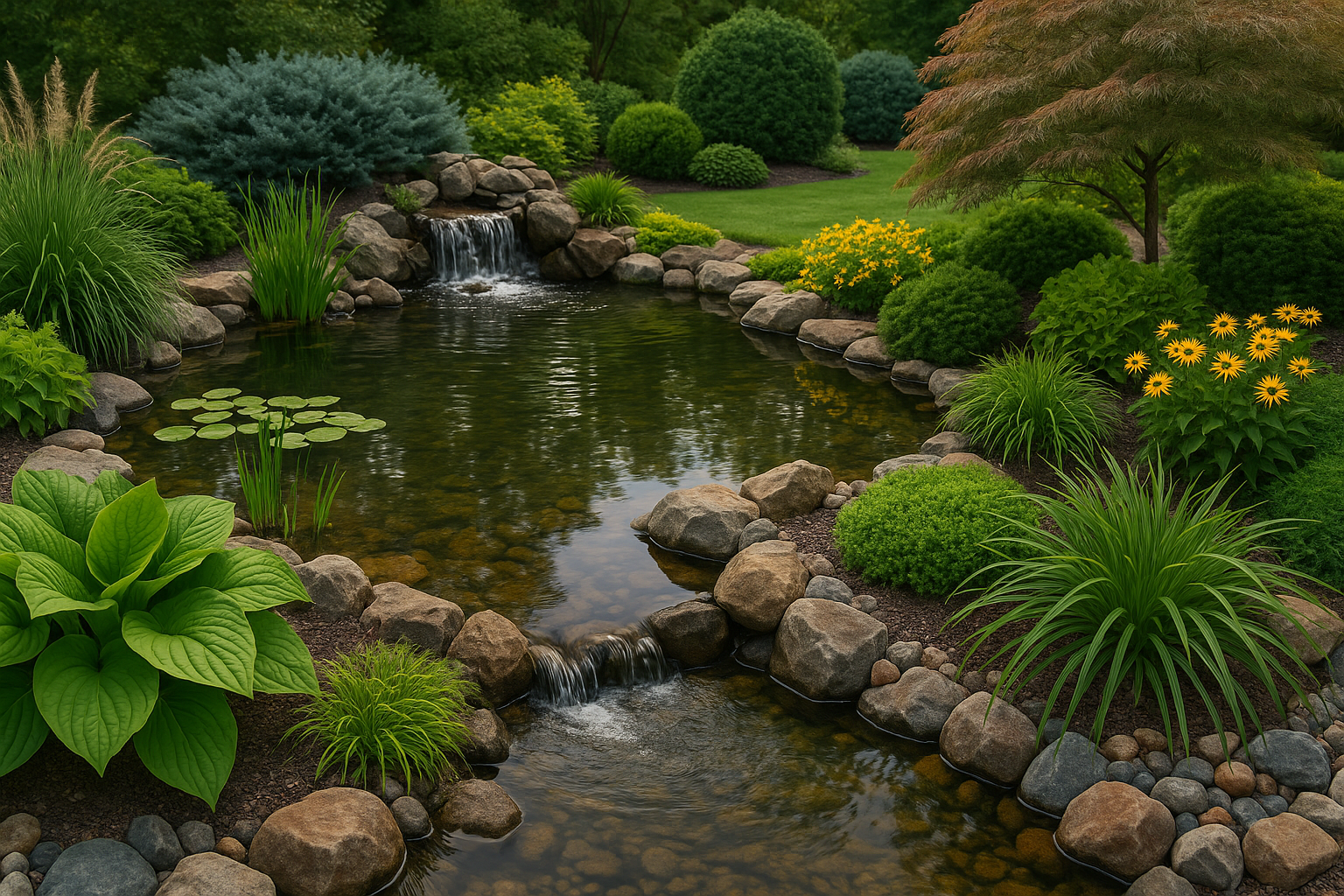
Landscaping Around Ponds: Why It Matters
Landscaping around ponds transforms a simple water feature into a living focal point. With thoughtful planting, hardscaping, and maintenance, a pond becomes a year-round asset that supports wildlife, improves aesthetics, and increases property value. This guide covers practical design ideas, plant choices, safety tips, and seasonal care to help you create a balanced, beautiful pond landscape.
Planning and Design
Start with a clear plan. Consider the pond’s purpose — ornamental, wildlife habitat, swimming, or a combination. Note sun exposure, soil type, slope, and sightlines from the house. Sketch a layout that balances planted areas, access paths, and seating spots. Think about scale and proportion: low plants and smooth stones for contemporary ponds, and mixed heights and textures for a natural look.
Define Zones
- Immediate Shoreline: Transition area between water and land.
- Backdrop Planting: Taller shrubs and trees that frame the pond.
- Access and Seating: Paths, decks, or benches placed for views and maintenance.
Plant Selection for Pond Edges
Choosing the right plants is essential for water quality, erosion control, and visual appeal. Aim for a mix of submerged, marginal, and shoreline plants to create a balanced ecosystem.
Marginal Plants
Marginal or bog plants thrive at the water’s edge. Popular choices include:
- Pickerel weed (Pontederia)
- Hostas and iris varieties for shady edges
- Cattails and rushes for naturalized areas
Submerged and Oxygenating Plants
These plants help maintain water clarity by competing with algae and supplying oxygen. Examples are:
- Elodea (waterweed)
- Hornwort
- Water milfoil (choose non-invasive species)
Floating Plants
Floating plants add shade and texture; they also reduce algae growth by limiting light.
- Water lilies and lotus for focal blooms
- Water lettuce and duckweed for cover (use sparingly)
Shoreline and Backdrop Plants
Use shrubs and trees to frame views and provide seasonal interest. Native species are typically the best choice for supporting local wildlife.
Hardscaping and Pathways
Hardscape elements like rocks, boardwalks, and retaining walls give structure and access. Choose materials that complement your home and the pond style.
Rocks and Boulders
Natural stones help secure the bank and create habitat nooks. Place larger boulders at key sightlines and use smaller stones to blend planted edges.
Paths and Seating
Design paths that allow comfortable maintenance access and quiet viewing spots. Consider a small deck or bench for relaxing by the water. Non-slip surfaces and gentle grades improve safety.
Lighting
Low-voltage or solar lighting highlights key plants and pathways while preserving nocturnal wildlife. Avoid bright lights near the water to limit disruption to frogs and insects.
Supporting Wildlife
A well-landscaped pond becomes a mini ecosystem. Offer varied plant layers, shallow shelves for amphibians, and hiding places like rock piles or submerged logs. Avoid using pesticides near the pond and choose native plants to feed pollinators and birds.
Maintenance and Seasonal Care
Regular maintenance keeps the pond healthy and attractive. Tasks vary by season but include monitoring water quality, trimming invasive plants, and checking pumps and filters.
Spring and Summer
- Divide crowded marginal plants and remove decaying material.
- Monitor algae and manage nutrient inputs by reducing runoff.
- Service filtration equipment and check water levels during heat waves.
Fall and Winter
- Trim back perennials and net the pond if leaf drop is heavy.
- For cold climates, keep a small hole in the ice for gas exchange if fish are present.
- Store pumps indoors if they are not winter-rated, or follow manufacturer guidance.
Safety and Practical Tips
Safety is important, especially with children and pets. Use gradual slopes or protective barriers where needed. Signpost any deep areas and keep lifesaving equipment nearby. For swimming ponds, include a separate filtration and circulation plan to maintain water quality suitable for bathing.
Common Mistakes to Avoid
- Overplanting with aggressive, invasive species that take over the pond.
- Ignoring runoff and landscape grade, which can introduce excess nutrients.
- Placing seating or trees too close to the water, creating root invasion or excessive shade.
Budget-Friendly Ideas
Landscaping around ponds doesn’t have to be expensive. Use salvaged stones, select hardy native plants, and phase projects over time. Volunteer plant swaps or local native plant sales are great ways to source material affordably.
Conclusion
Thoughtful landscaping around ponds blends design, ecology, and practical care. By planning zones, choosing appropriate plants, incorporating smart hardscapes, and committing to seasonal maintenance, you can create a low-stress, high-reward water garden that delights people and wildlife alike. Start small, observe how the pond evolves, and adapt your plan as the landscape matures.