
Pond and Stream Landscaping: Design, Plants, and Practical Care
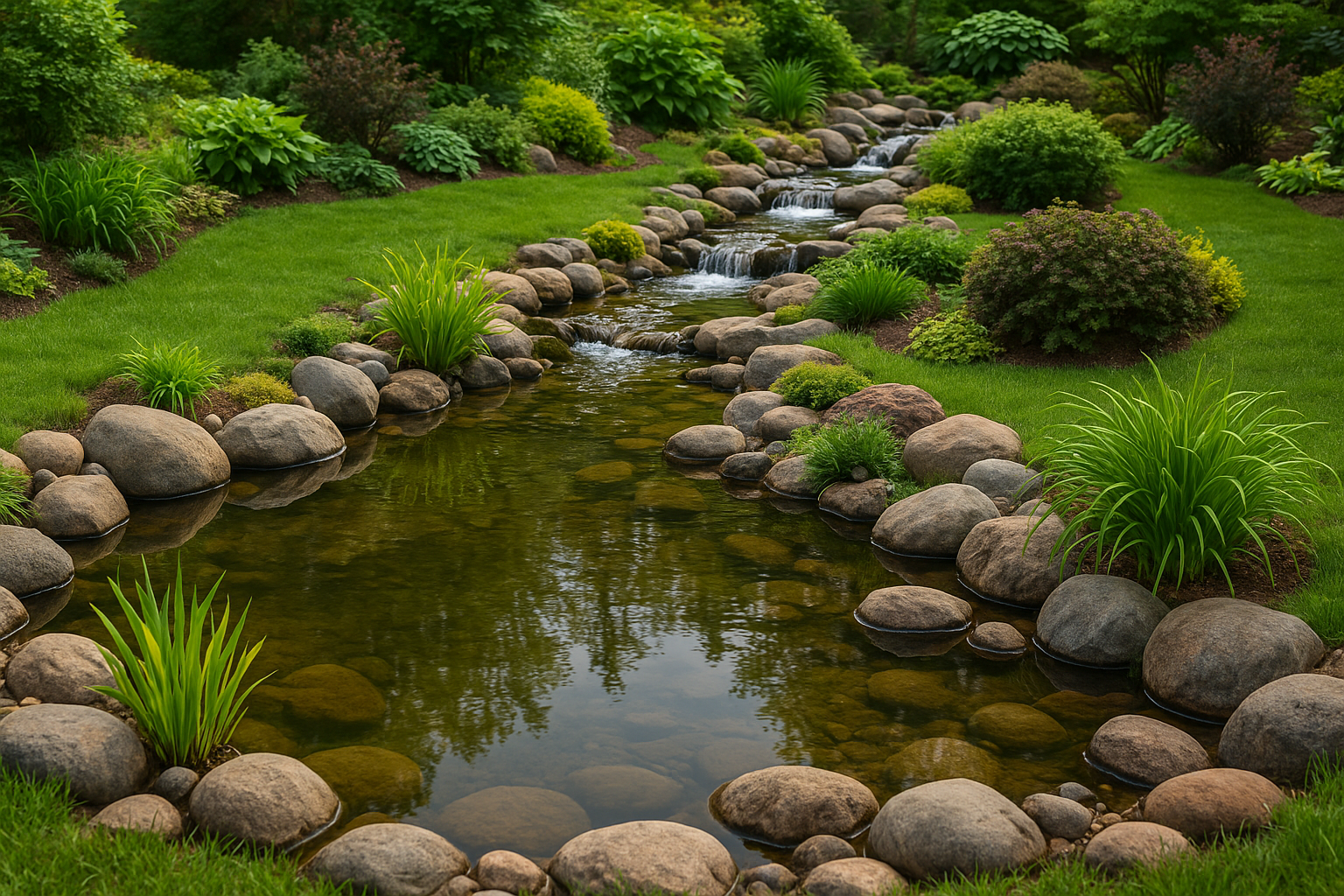
Introduction to Pond and Stream Landscaping
Adding a pond or stream to your yard creates a peaceful focal point, attracts wildlife, and adds soothing sound and movement. Whether you want a formal mirror-like pond, a naturalized wildlife haven, or a meandering stream, thoughtful planning will make the difference between a maintenance headache and a long-lasting feature you love.
Planning Your Pond or Stream
Good results start with good planning. Consider size, location, budget, and desired function (aesthetic, wildlife habitat, or both).
Site Selection
- Avoid low spots that collect runoff with chemicals or excess nutrients.
- Place features where you can enjoy them from a patio, kitchen, or living area.
- Consider sunlight: most aquatic plants need 4–6 hours of sun; too much shade limits growth.
Design and Scale
Think about scale relative to your yard. Small ponds can be intimate and easier to maintain; larger ponds and streams allow a greater diversity of plants and wildlife. Sketch a layout that includes surrounding planting beds, paths, seating, and zones for filters or pumps.
Construction Basics
Liners and Hardscape
Most backyard ponds use flexible EPDM or PVC liners for reliable water retention. Preformed shells work for small ponds. For streams, liners are layered and shaped with underlayment and rock to create a natural flow.
Pumps, Filters, and Waterfall Design
A pump sized to the pond volume will keep water moving, oxygenate the pond, and power streams or waterfalls. Filters help control clarity and nutrients—biological filters are especially helpful in carrying beneficial bacteria that break down waste.
Planting for Beauty and Balance
Plants are more than decoration: they stabilize banks, shade water, compete with algae, and provide habitat.
Plant Zones
- Deep-water plants (e.g., hardy lilies) for the pond center.
- Marginal plants (e.g., iris, cattails) around shallower edges.
- Bog plants (e.g., pickerelweed) in wet transition zones.
- Streamside shrubs and grasses to anchor banks and add texture.
Native vs. Decorative
Favor native species when possible: they support local insects and birds, and often require less care. Decorative exotics like hardy water lilies are fine in moderation—just monitor for invasiveness.
Wildlife and Ecosystem Considerations
A thoughtful design encourages beneficial wildlife while minimizing pests. Provide varied depths for fish and frogs, and include flat rocks or logs for basking and escape routes. Avoid introducing nonnative fish that can overpower a balanced ecosystem.
Maintenance Essentials
Weekly and Seasonal Tasks
- Weekly: Check pump function, remove floating debris, skim surface film.
- Monthly: Inspect filters, prune dead plant material.
- Spring: Clean excess organic buildup, divide overgrown plants, check liners and seals.
- Fall: Net falling leaves if trees are nearby, reduce feeding of fish as temperatures drop.
Algae Control
Algae is normal but manageable. Maximize plant coverage to compete with algae for nutrients, maintain proper filtration and circulation, and avoid overfeeding fish. For persistent issues, test water for nitrates and phosphates and adjust nutrient sources.
Safety and Practical Tips
- Consider shallow shelves if children or pets visit the area; use signage if needed.
- Install lighting along paths and edges to prevent nighttime accidents and to showcase water features after dark.
- Budget for ongoing costs: electricity for pumps, replacement plants, and seasonal maintenance.
Troubleshooting Common Problems
Cloudy water often points to fine suspended particles; improve filtration and add beneficial bacteria. Stagnant smells usually indicate insufficient circulation—check pumps and clean intakes. If plants decline suddenly, review light levels and water chemistry.
DIY vs. Professional Help
Many hobbyists build small ponds and simple streams themselves, saving money and gaining pride in the project. For larger features, complex filtration, or challenging soils, a landscape contractor or pond specialist can ensure long-term success and adherence to local codes.
Design Inspirations
Mix textures—water, stone, and planting—to create layered interest. Use repetition of plant species to unify the design, and include seating or a viewing path to encourage daily enjoyment. Small touches like a bench, natural stepping stones, or a birdbath nearby elevate the experience.
Conclusion
Pond and stream landscaping rewards careful planning and ongoing care with a living feature that enhances your garden’s beauty, supports wildlife, and soothes the senses. Start small if you’re unsure, prioritize good circulation and planting balance, and adjust over time as your ecosystem finds a healthy rhythm.