
Garden Design Ideas: Practical Tips to Transform Your Outdoor Space
Introduction
Whether you have a tiny balcony or a sprawling backyard, good garden design turns outdoor space into an enjoyable extension of your home. This post gathers practical and creative garden design ideas that suit different budgets, styles, and climates. Use these tips to create a garden that looks beautiful, feels comfortable, and is easy to maintain.
Planning Your Garden
Assess Your Space and Conditions
Start by observing sunlight patterns, soil type, drainage, and wind exposure. Mark shady and sunny areas, and note existing features you want to keep, such as mature trees or a patio. Understanding these basics helps match plants and hardscape elements to the right spots.
Set Clear Goals
Decide how you want to use the space: entertaining, play area for kids, vegetable growing, or quiet relaxation. Setting clear priorities guides layout decisions and helps avoid cluttering the garden with incompatible elements.
Design Styles and Themes
Contemporary Minimalist
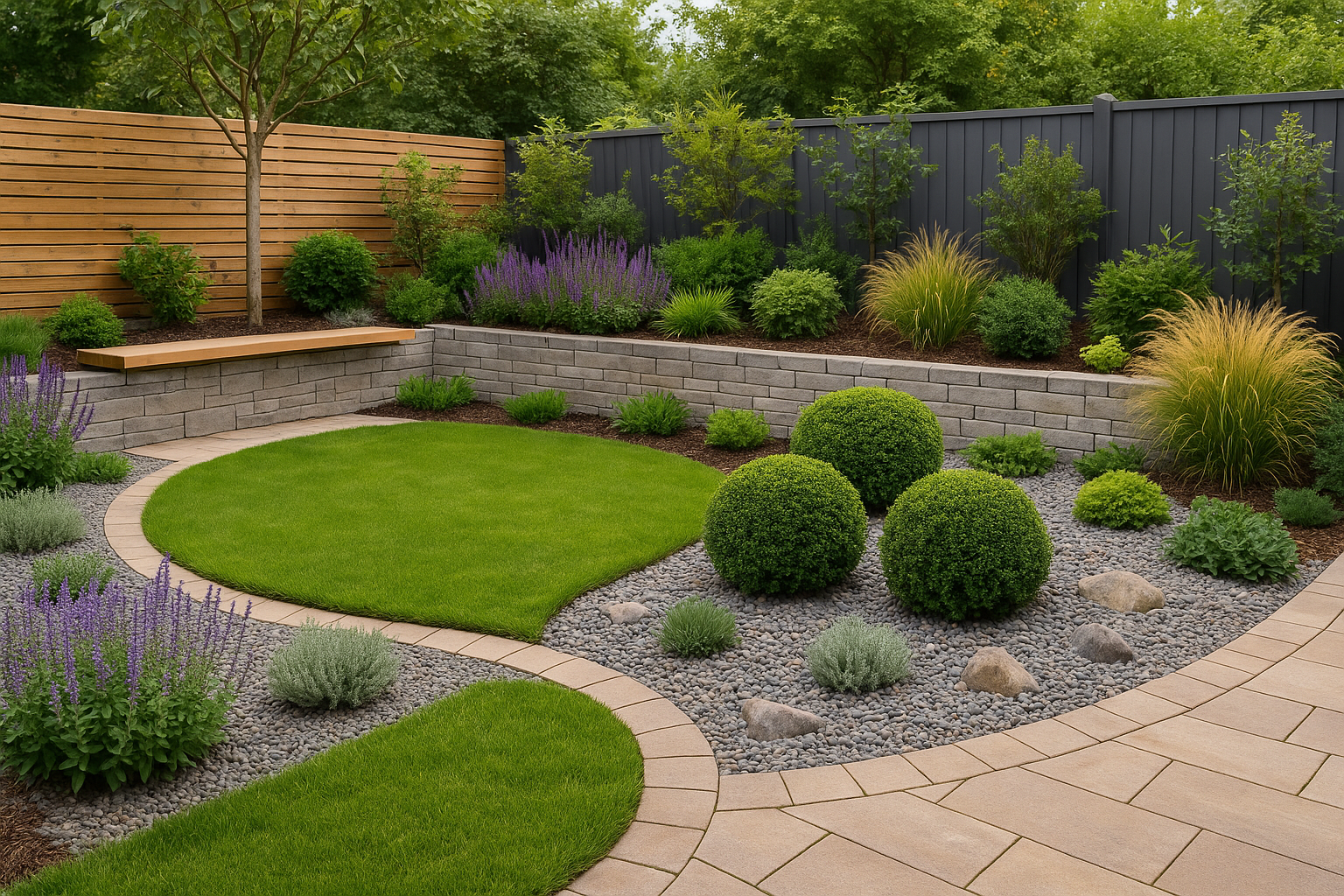
Clean lines, restrained plant palettes, and simple materials define a contemporary minimalist garden. Use gravel, concrete pavers, and sculptural plants for a low-maintenance, modern look.
Cottage and Pollinator-Friendly Gardens
Soft edges, mixed perennial beds, and seasonal color invite pollinators and create a relaxed, romantic atmosphere. Incorporate native plants, nectar-rich flowers, and a small water source to support bees and butterflies.
Japanese and Zen-Inspired Spaces
Emphasize balance, texture, and negative space. Use stone, clipped shrubs, bamboo, and a focal water element or lantern to create a calm retreat ideal for meditation and quiet reading.
Practical Design Ideas
Define Zones
Break the garden into functional zones: dining, cooking, play, and planting. Use changes in paving, levels, or planting beds to subtly separate areas while keeping a cohesive flow.
Create a Strong Focal Point
A focal point anchors the design. Consider a specimen tree, sculpture, water feature, or a bold container. Position it where visitors’ eyes naturally land, such as at the end of a path or visible from inside the home.
Use Pathways to Guide Movement
Paths direct movement and reveal the garden in stages. Materials like gravel, stepping stones, or timber sleepers set different tones. Aim for comfortable widths and gentle curves for a relaxed feel.
Think Vertically
Vertical elements add interest and increase planting area. Trellises, living walls, and climbers like clematis or jasmine transform bland walls and fences while providing shade and privacy.
Container Gardening for Flexibility
Containers let you change the look seasonally and are ideal for renters or small spaces. Mix sizes, textures, and heights for impact, and choose lightweight pots for balconies or raised decks.
Lighting for Atmosphere and Safety
Layer lighting: path lights for safety, uplighting for trees, and soft ambient lights for seating areas. Solar or low-voltage LED options are energy-efficient and easy to retrofit.
Water Features for Sound and Movement
Even a small fountain adds the soothing sound of water and attracts birds. Consider recirculating pumps for ponds and choose designs appropriate to your maintenance comfort level.
Planting and Seasonal Considerations
Choose Plants for Your Climate
Prioritize species that thrive in your USDA or local hardiness zone and are suited to your soil. Native plants typically need less water and care, and they support local wildlife.
Layer for Year-Round Interest
Combine evergreen structure, spring bulbs, summer perennials, and autumn foliage to ensure the garden looks inviting across seasons. Repeat key colors and textures to create continuity.
Companion Planting and Succession
Group plants with similar water and light needs together and plan succession planting to avoid gaps when early bloomers fade. This keeps beds full and visually appealing.
Budget-Friendly Tips
Start Small and Add Gradually
Begin with a clear focal area and expand over time. Phased projects let you spread costs and refine the design as the garden matures.
Repurpose and DIY
Use reclaimed wood for raised beds, repurpose old bricks for edging, or convert an unused wheelbarrow into a planter. Hands-on projects add personality and save money.
Choose Low-Maintenance Plants
Perennials, drought-tolerant shrubs, and mulch reduce the time and cost spent on upkeep. Invest in quality soil and irrigation to save effort in the long run.
Conclusion
Great garden design balances beauty, function, and maintenance. By assessing your space, choosing a style that fits your life, and focusing on practical elements like zoning, planting, and lighting, you can create an outdoor space that brings joy year-round. Start small, experiment, and let the garden evolve with you.